
Balfour Beatty’s PunchOut
Read More about Balfour Beatty’s PunchOutWaste management services in the UK
Tech-enabled business waste management across the UK
Reconomy delivers tech-enabled waste management services for UK businesses of every size, from single-site SMEs to national, multi-site accounts. Our specialist brands support more than 23,000 businesses, manage over 5 million tonnes of waste every year, and divert 98.5% of that material from landfill through recycling and recovery. Services are delivered through a network of over 1,000 fully compliant regional supply chain partners, giving you nationwide coverage with every collection carried out by a registered waste carrier.




Waste management services we provide
Environmental compliance expertise at scale
Commercial waste services
With 30 years of experience in business waste management and recycling, Reconomy’s specialist brands provide comprehensive commercial waste collection and disposal services for businesses of all sizes and sectors. Choose from scheduled collections, ad hoc removals or a fully managed waste programme, with dedicated options for general waste, cardboard, food waste, glass and wood. The outcome: reduced waste costs, improved recycling rates, and clear reporting to support your sustainability targets.
Hazardous
Hazardous waste management
Hazardous waste handling in the UK requires specialist knowledge, trained personnel and compliant processes at every stage. Reconomy’s specialist brands provide fully managed hazardous waste services covering classification, collection, packaging, documentation, treatment options and compliant disposal. We support businesses with WEEE and electrical products, batteries, chemicals and paint, asbestos and clinical waste, with the right consignment notes and duty of care records provided as standard. The result is less administrative burden, reduced compliance risk, and confidence that your waste is handled in line with current UK environmental and safety requirements.
Office
Office recycling
Reconomy’s specialist brands help thousands of businesses every year build effective office recycling programmes, from setting up clearly labelled segregation stations to scheduling collection options around your operational needs. Our service covers paper, cardboard, plastics, glass, food waste, paper cups and mixed recyclables, plus secure confidential waste disposal. The result is less waste to general disposal, lower collection costs, and measurable progress against your sustainability and zero waste commitments.
Skip hire
Skip hire
Reconomy’s specialist brands supply commercial skip hire for businesses, contractors and construction sites across the UK. Options range from standard skips of 2 to 16 yards up to larger roll-on, roll-off (RoRo) containers for high-volume projects. For more complex requirements, we also offer wait and load skips, enclosed skips, hazardous waste skips and caged vehicles. Every skip hire is backed by compliant disposal and a waste transfer note, giving you full duty of care coverage.
Single stream
Single-stream recycling
Single-stream recycling simplifies the process for businesses by allowing multiple recyclable materials to be collected together and sorted downstream. Through our specialist brands, we handle plastic, glass, paper, food waste, metal, wood, cardboard, dry mixed recycling and a range of niche waste streams such as vapes. This approach reduces the number of collections needed, lowers operational disruption, and helps businesses improve recycling rates while meeting sustainability targets and packaging Extended Producer Responsibility (EPR) obligations.
Soil sampling
Soil sampling
Reconomy’s specialist brands provide fully managed soil sampling and classification services for construction, infrastructure and development projects across the UK. From initial site assessment and material sampling through to laboratory classification, WAC testing and compliant disposal, our teams handle the process end to end. Accurate soil classification reduces the risk of incorrect disposal, helps projects stay on programme, and supports compliance with waste legislation and site waste management plan requirements.
Wheelie bins
Wheelie bin hire
Reconomy’s specialist brands supply commercial wheelie bin hire for businesses needing a flexible, cost-effective option for general waste and recycling collections. Options include 240-litre wheelie bins for smaller premises, 1100-litre bins for high-volume sites, and heavy-duty rear end loader and FEL bins for industrial or commercial applications. Collections are scheduled to suit your operational requirements, with waste transfer documentation provided as standard to support duty of care compliance.

UK business waste duties
Every UK business that produces, stores, transports or disposes of waste has a legal duty of care under section 34 of the Environmental Protection Act 1990. The duty applies whatever the size of your business, and it continues until your waste reaches a site authorised to accept it. In practice, it means you must:
- Store waste safely and securely, in suitable containers that stop it escaping, and keep different waste streams separate.
- Describe your waste accurately, including its classification code, so whoever handles it next can manage it correctly.
- Use a registered waste carrier. Check that anyone collecting your waste holds a valid waste carrier registration before they take it away. Registration can be checked on the public register held by the Environment Agency in England, Natural Resources Wales, SEPA in Scotland or NIEA in Northern Ireland.
- Complete a waste transfer note for every transfer of non-hazardous waste, or a single season ticket covering repeat collections, and keep it for at least two years.
- Separate recyclables where the law requires it. Under Simpler Recycling in England, and the workplace recycling regulations in Wales, businesses must separate key recyclable materials for collection.
Failing to meet the duty of care can lead to fines and prosecution, even when the illegal disposal is carried out by someone else. Working with a provider that checks waste carrier registration, issues compliant documentation and keeps records on your behalf removes much of that risk. Learn more about the risks of ineffective waste management.
Speak to a waste expert
Waste carrier registration is changing
The current waste carrier, broker and dealer registration system in England is being replaced by a permit-based regime, expected to be fully in force during 2027. Operators will need to pass identity and competence checks and display their permit number on vehicles and marketing. Until then, checking the register remains the simplest way to confirm a waste carrier is authorised. Reconomy’s specialist brands only use supply chain partners whose registration and permits are verified.
Discuss waste carrier requirementsSupporting better waste management with people, technology and insight
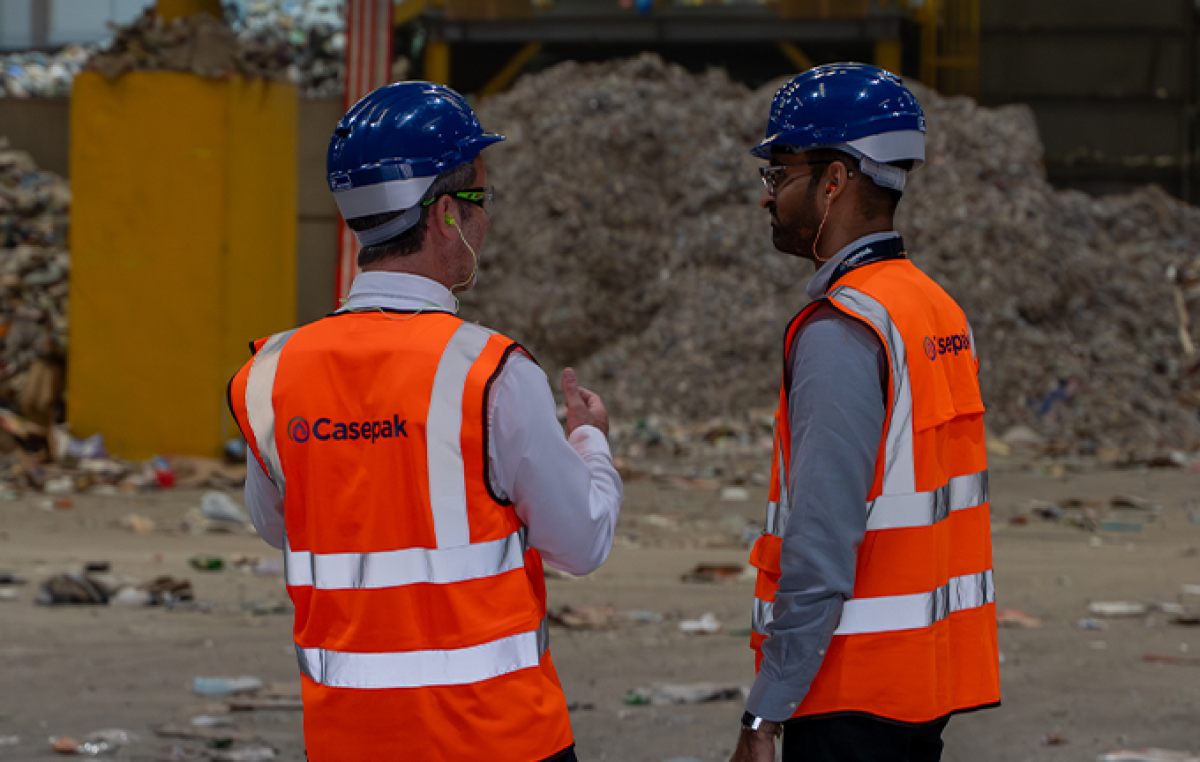
People-powered waste expertise
Reliable waste management is built on skilled people.
Across our Recycle Loop specialist brands, experienced teams work alongside customers to ensure waste is managed safely, efficiently and in line with regulatory requirements.
From operational staff and drivers to compliance specialists and waste management experts, our teams help businesses optimise waste processes, improve recycling performance and maintain high service standards across every site.
Smart tools and digital waste insights
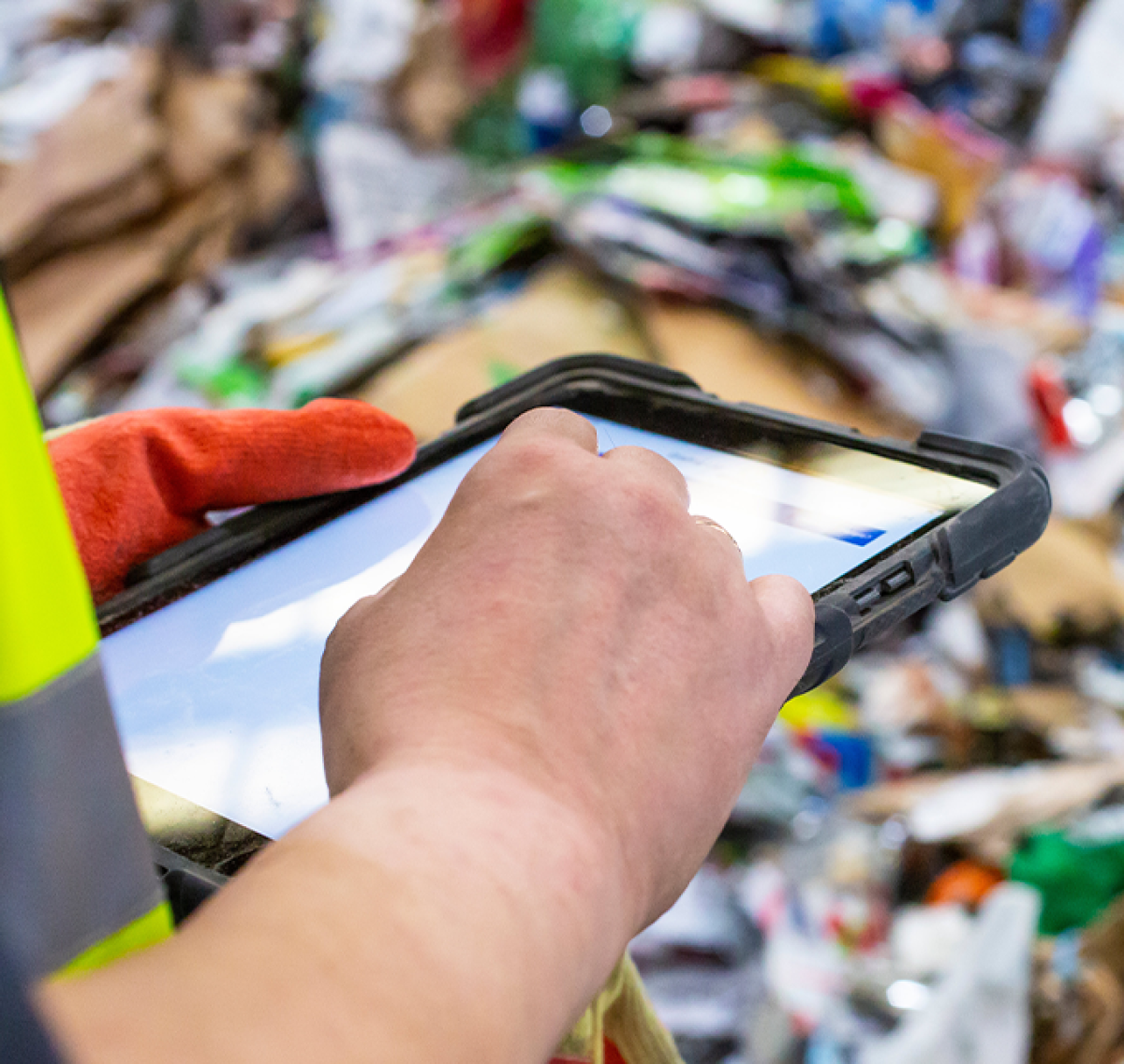
Technology plays an important role in helping businesses manage waste more effectively. Reconomy provides digital tools and platforms that give customers greater visibility of waste performance and environmental impact.
Key capabilities include:
- RecoTek, our innovation hub, supporting organisations in tracking waste data and ESG metrics
- Customer portals, online dashboards providing access to waste reports and compliance documentation
- The Zero Waste Index, measuring how close each site is to zero waste
- Smartphone apps, tools for scheduling services, receiving alerts and monitoring performance on the go
Together, these tools help businesses make more informed decisions about waste management and sustainability performance.
Dedicated customer support and access
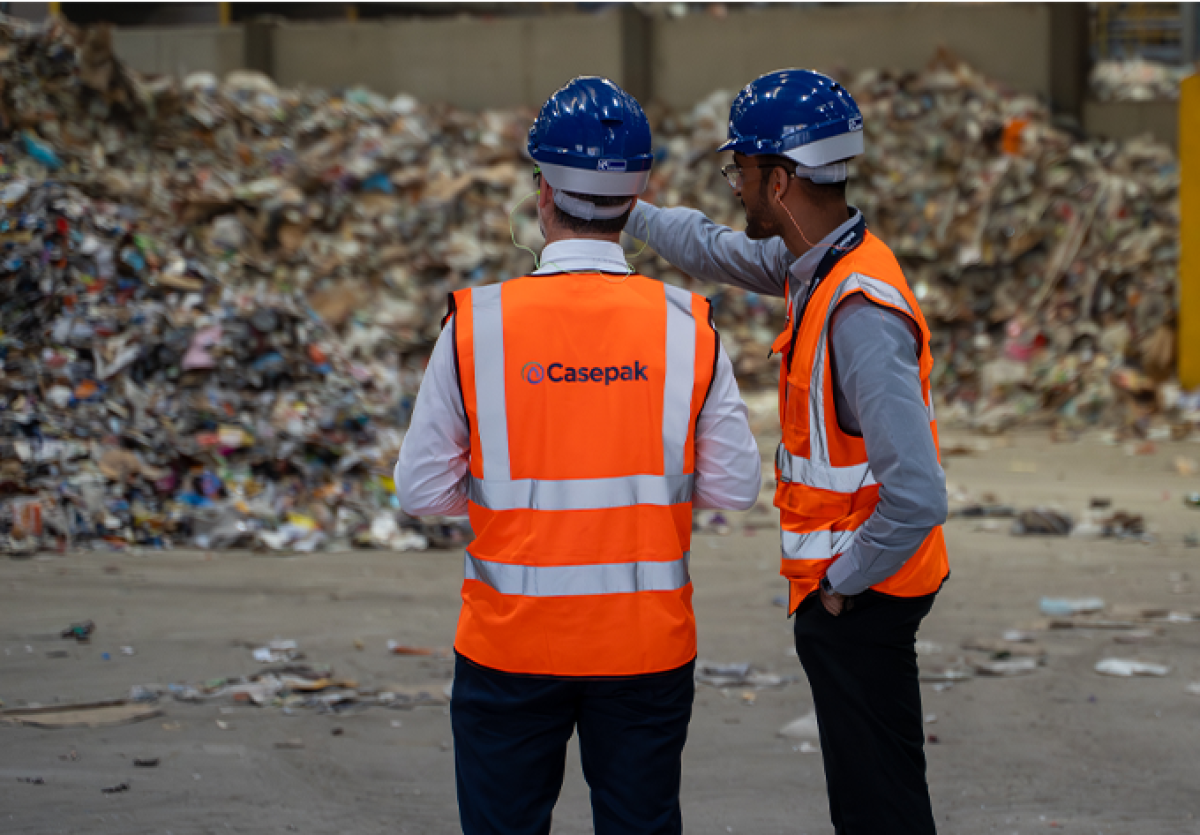
Managing waste should be straightforward for businesses of any size. Reconomy provides easy access to waste management services and expert support through a combination of digital platforms and dedicated people.
Through our specialist brands, customers benefit from:
- Online customer portal, real-time access to waste data, reports and compliance documentation
- Dedicated account management, expert guidance to optimise waste services and disposal options
- Online services, convenient scheduling, documentation access and performance tracking
- Quote and support calls, fast, consultative access to tailored waste management solutions
This combination of digital capability and human expertise ensures customers always have visibility, control and confidence in their waste management arrangements.
Hazardous waste documentation
Hazardous waste carries extra legal requirements, because the materials involved can harm people and the environment if mishandled. Correct documentation is how you prove each movement was handled lawfully.
Hazardous waste consignment notes
In England, a consignment note must travel with hazardous waste from the moment it leaves your premises to its final destination. As the producer or holder, you complete the first sections, keep a copy, and pass the remaining copies to the carrier. The carrier and the receiving site then complete their own sections. The receiving site sends a quarterly return confirming what it received, and you should chase it if it does not arrive.
Read our blog on hazardous wasteHow long to keep hazardous waste records
Producers and holders must keep consignment notes and related records for three years, at the premises where the waste was produced or stored. Waste transfer notes for non-hazardous waste must be kept for two years.
Discuss with our expertsRules across the UK
Wales, Scotland and Northern Ireland each have their own hazardous waste rules. In Scotland, hazardous waste is known as special waste and is regulated by SEPA. Before moving waste across a border, check which regulator’s documentation applies.
Speak to our expertsDigital waste tracking
From 1 October 2026, waste receiving sites in England and Wales must record the waste they accept through the government’s digital waste tracking service, with Scotland and Northern Ireland following in January 2027. Collectors are expected to follow from spring 2027. For now, waste transfer notes and hazardous waste consignment notes are still required alongside it. Our specialist brands manage hazardous waste documentation for you, from classification and consignment notes to digital reporting, with every record available through your customer portal. Read our guide to hazardous waste in construction for practical examples.
Learn about DWT
Packaging, products and reuse
Many of the materials businesses throw away are packaging and products that still have value. Reconomy’s specialist brands help you keep them in use for longer, moving them up the waste hierarchy before recycling is needed.
- Reuse first. Our Reuse Loop specialist brands return, refurbish and resell products through reverse logistics, while apps such as SustainabilityYard help construction businesses share surplus materials for reuse.
- Reusable packaging. Our reusable packaging service replaces single-use transit packaging, cutting both waste and costs.
- Takeback for end-of-life products. Circular takeback schemes recover WEEE, batteries and packaging from your customers, supporting your producer obligations.
- Packaging compliance. If you place packaging on the UK market, packaging EPR requires you to report data and pay fees. Our guide to EPR for packaging explains what you need to do.
Recovering packaging and products before they become waste reduces disposal costs and supports your circular economy goals.
Speak to our packaging experts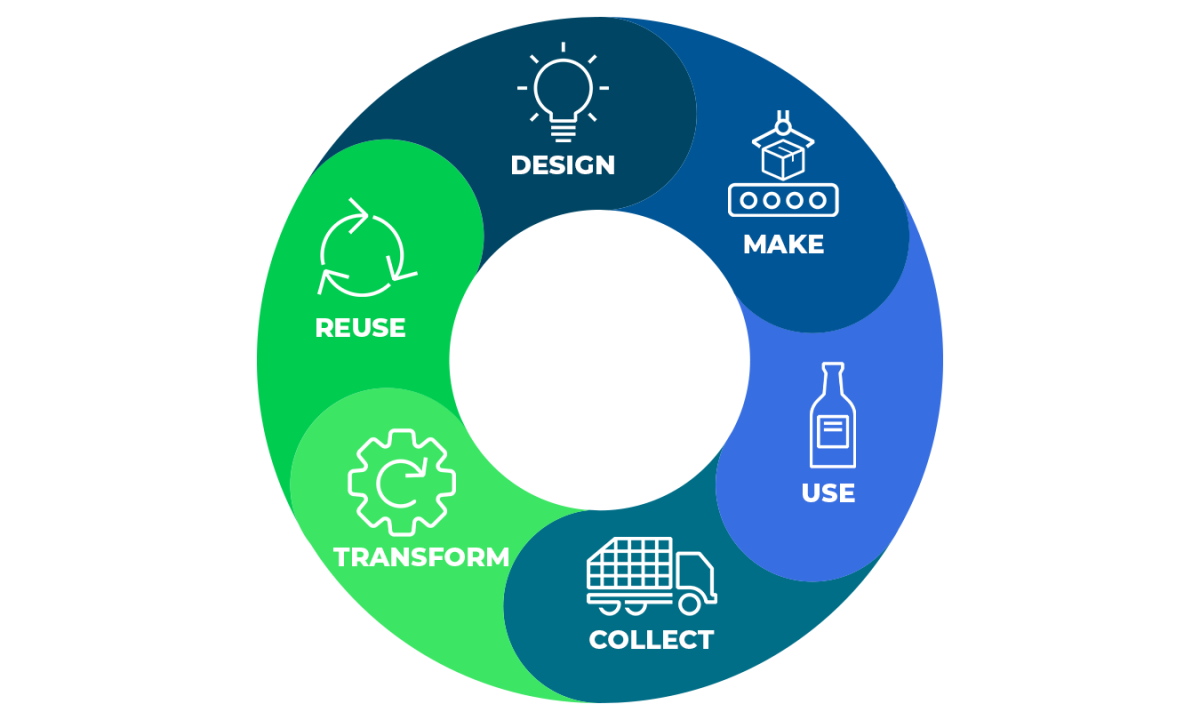
Circular economy and waste management
Effective waste management is just the beginning. To cut environmental impact and unlock long-term value, businesses need to move beyond linear “take, make, dispose” thinking and follow the waste hierarchy: prevention and reuse first, then recycling and recovery, with disposal as a last resort.
Poor waste management has serious consequences. Landfill produces greenhouse gases including methane, can pollute soil and water if leachate isn’t controlled, and wastes valuable resources. Contamination in recycling streams sends recyclable material to landfill, while weak documentation and compliance controls increase the risk of incorrect treatment or disposal. Mismanaged waste can also cause litter, odours and pests that affect local communities.
For businesses, this shows up as higher disposal volumes, lower recycling rates and greater operational disruption. Better waste segregation, compliant treatment routes and data-led reporting help you reduce landfill, improve resource recovery and show measurable progress towards net zero and circular economy goals. Find out more about why waste management is important.
Learn what the circular economy is and how it redefines waste as a resource, helping your organisation move beyond disposal towards reuse and smarter material flows.
Learn about the Circular Economy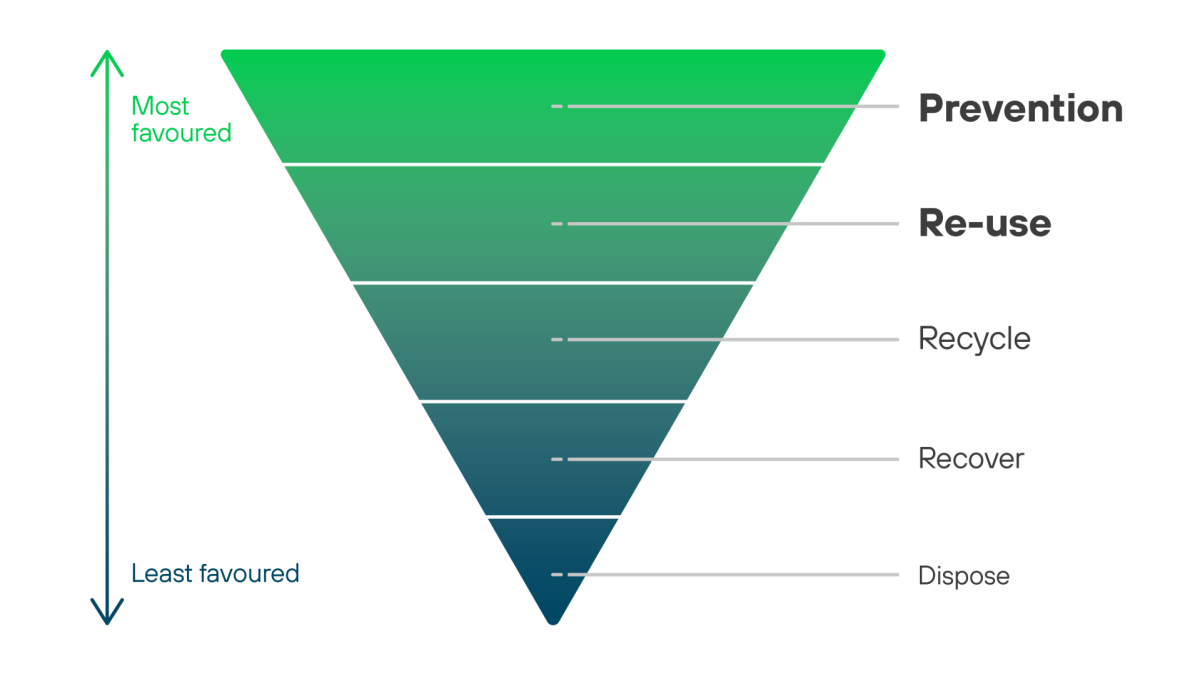
Environmental benefits of the waste hierarchy
he waste hierarchy ranks waste treatment options by environmental impact, from most preferred to least. Each stage delivers a different kind of benefit, and following the order matters as much as using each method correctly.
- Prevention avoids waste before it’s created. It’s the most effective stage, since it removes the need for collection, transport and treatment altogether.
- Reuse keeps products and materials in circulation without reprocessing, saving the energy and raw materials that would otherwise go into making something new.
- Recycling turns waste back into raw material for new products, cutting demand for virgin resources and the emissions tied to extraction and manufacturing.
- Recovery extracts value, usually energy, from waste that can’t be recycled, reducing what would otherwise go to landfill.
- Disposal is the last resort. Landfill produces greenhouse gases including methane, and can pollute soil and water if not properly managed, which is why it sits at the bottom of the hierarchy rather than being treated as a default.
Businesses that move up the hierarchy see measurable results. Our work with Suzuki GB and ZSL shows what that looks like in practice: both significantly cut landfill volumes working with Reconomy’s specialist brands. Read more on the waste hierarchy compared with traditional waste management.
See our case StudiesWaste legislation and recycling guidance
Keeping up with changing waste legislation can be challenging. Reconomy helps businesses understand and prepare for regulatory changes through practical guidance and expert support.
DEFRA’s Simpler Recycling legislation for England
Defra’s Simpler Recycling legislation has applied to businesses and other non-household premises in England with 10 or more employees since 31 March 2025. Micro-firms with fewer than 10 employees must comply from 31 March 2027. In-scope workplaces must separate dry recyclables, food waste and residual waste for collection.
If you need support preparing for these changes, Reconomy can help. Our waste management services support a consistent approach to recycling, helping organisations remain compliant and improve resource recovery. See our Simpler Recycling rules and timeline for the full detail.
Workplace recycling: Welsh businesses
Since April 2024, workplaces in Wales must separate key recyclable materials, including paper and card, glass, metals, plastics and food waste, for collection. The rules support the Welsh Government’s Beyond Recycling strategy and its goal of zero waste by 2050. Reconomy’s Separated Waste Collections for Workplaces guide outlines the compliance requirements, and highlights that breaches can result in fines or civil sanctions.
Download our guide
Making waste management simple
Effective waste management starts with understanding how to improve circularity. Reconomy plays an active role in education, delivering regular ‘Tool Box Talks’ to help businesses, organisations and communities improve circularity and ultimately prevent waste.
Through practical guidance, training and data-led insights, we help you understand:
- Segregation fundamentals, how waste segregation works (and what can’t be recycled) across key waste streams
- Recyclable materials, including food waste, glass, plastics, paper and cardboard
- Rules and legislation, staying compliant with evolving UK regulations such as Simpler Recycling and digital waste tracking
- Improving recycling rates, using clear signage, tailored collections and performance reporting
By educating employees, suppliers and partners, we help build sustainable communities and embed circular economy thinking into everyday operations. Recycling education is a core part of our mission to help businesses move from waste disposal to resource recovery.
While Reconomy’s services are designed for businesses, the same waste hierarchy principles can help households reduce waste at home. Start with prevention: plan meals to cut food waste, choose products with less packaging, and repair or reuse items before replacing them. Next, separate recyclables such as paper, cardboard, glass and plastics, keeping them clean and dry to avoid contamination. Use food waste collections where your area offers them, and donate unwanted goods or use refill schemes before throwing anything away.
Related services
Explore the related services fulfilled through our specialised brands in the Recycle Loop,
Specialist site services
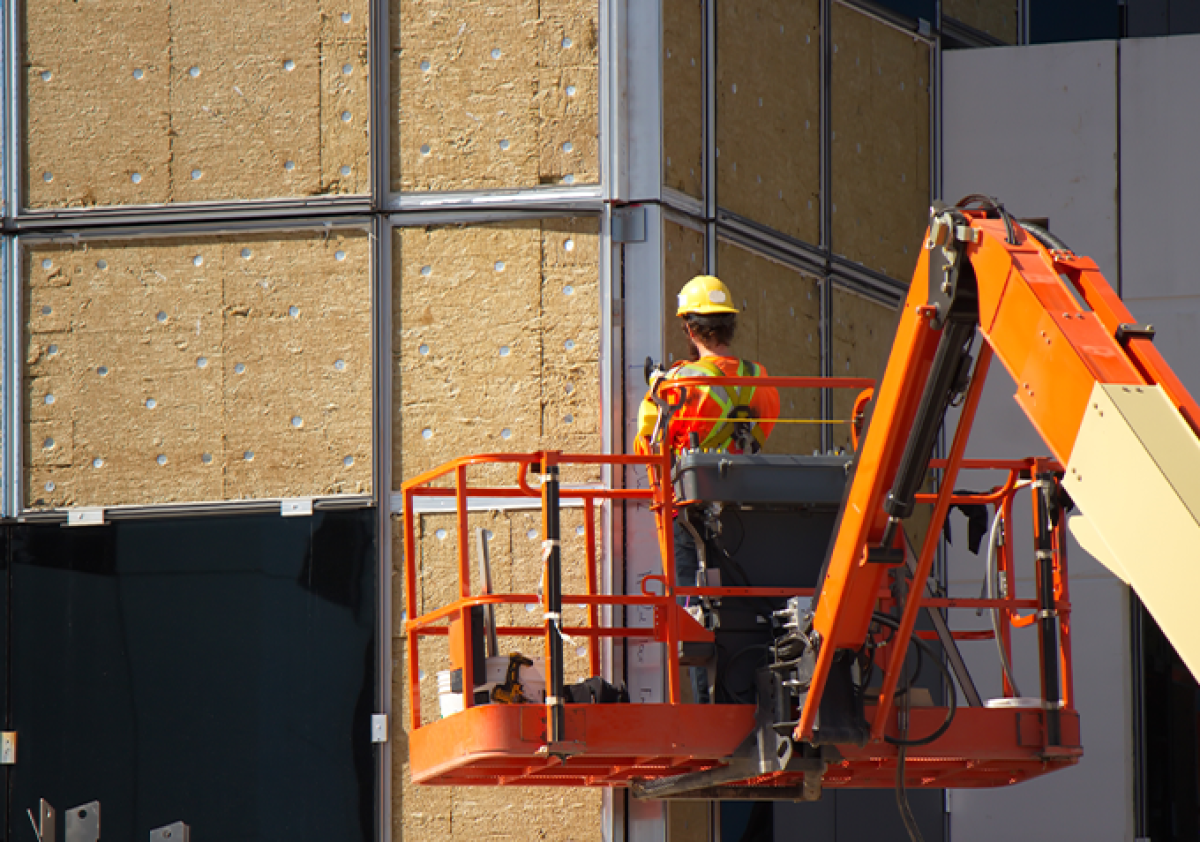
Through our Recycle Loop specialist brands, we deliver fully managed site welfare and equipment hire for construction, housebuilding and infrastructure projects across the UK, from welfare units to muck away.
Arranging welfare units, accommodation and plant hire across multiple suppliers can be time-consuming and complex. Different compliance requirements, regional variations and operational pressures make procurement challenging, particularly on fast-track construction projects. That’s where we step in. We also provide dedicated construction waste management.
Recycling equipment
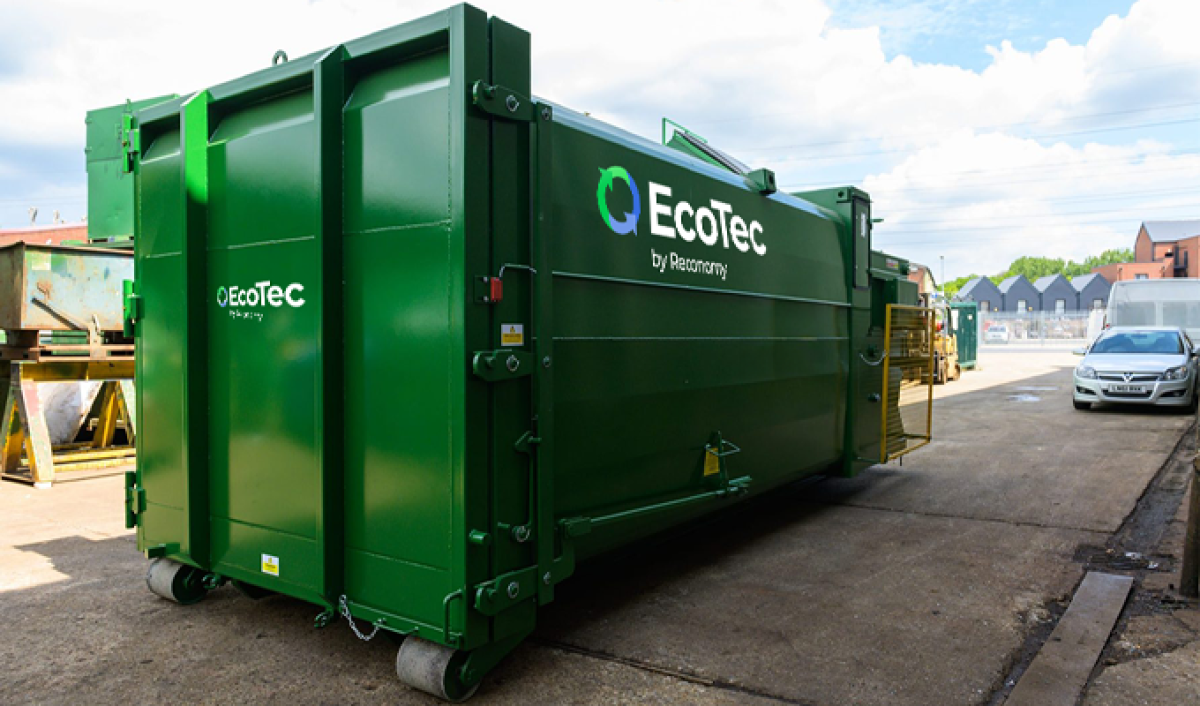
Our experienced team provides innovative and reliable waste recycling equipment, including balers and compactors, for businesses of all sizes across a wide range of sectors, with hire and purchase options to suit your budget.
How you collect and contain your waste and recyclables is not just an aesthetic consideration. Storing waste and recyclables in suitable, secure conditions makes them safer, cleaner and easier to handle, so they achieve their optimum value for recycling, reuse or recovery.
Print Waste Management and Display Recycling Services
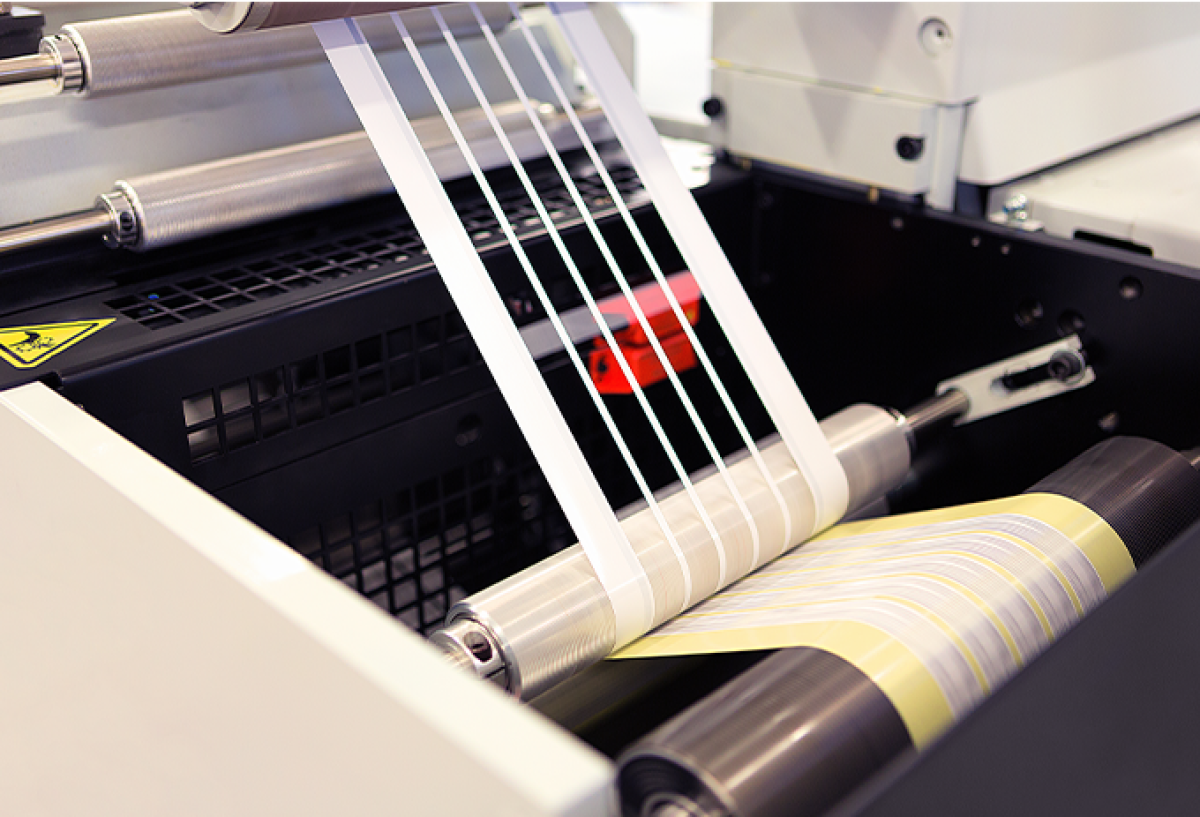
Our specialist teams provide cost-effective, compliant and innovative print waste recycling that moves materials up the waste hierarchy, prioritising reuse, recovery and recycling routes over disposal. This includes display and POS recycling for retail and events.
Beyond day-to-day collections, we partner with businesses to deliver strategic transformation projects that improve profitability, productivity and long-term sustainability performance.
Aggregates supply
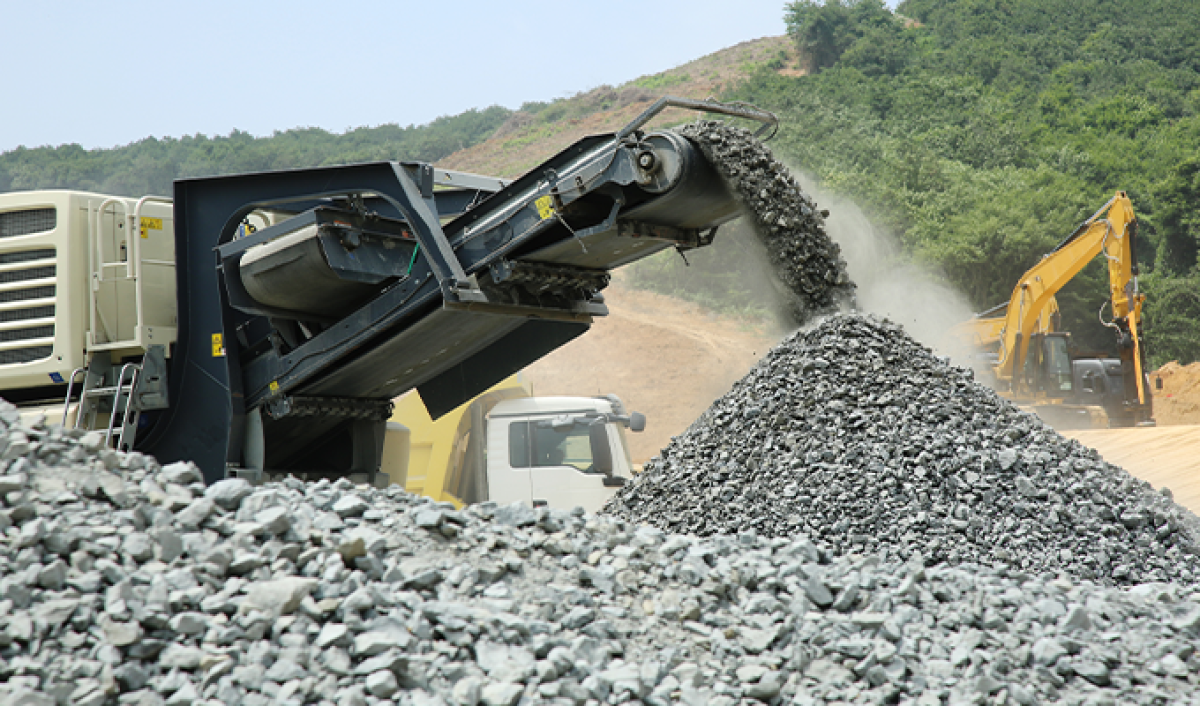
Our aggregates supply service is designed to support projects of all sizes, from local groundworks to complex, multi-site infrastructure developments. By combining access to regional supply with central coordination, we help reduce delays, manage costs and support more sustainable construction outcomes.
FAQs: Waste management
Waste management is the process of collecting, transporting, treating and disposing of waste materials in a way that minimises environmental impact and supports compliance. It covers everything from general and recyclable waste to organic, hazardous and construction waste. Read our overview of types of waste management.
Waste management helps businesses handle waste safely and efficiently, reduce operational disruption and improve recycling performance. Using compliant collection and treatment routes cuts landfill waste, lowers disposal costs and strengthens reporting for sustainability and ESG goals.
Waste management covers general waste, recyclable waste such as paper, cardboard, plastics, glass and metals, organic waste like food waste, hazardous waste including chemicals, asbestos, clinical waste and certain electrical products, and construction and demolition waste such as soil, rubble and mixed site materials.
All UK businesses have a legal duty of care for their waste. You must store it safely, describe it accurately, only pass it to a registered waste carrier or authorised site, and complete a waste transfer note for each transfer, kept for at least two years. Businesses in England and Wales must also separate recyclables under Simpler Recycling and the Welsh workplace recycling rules.
You can check a waste carrier’s registration on the public register held by the Environment Agency in England, Natural Resources Wales, SEPA in Scotland or NIEA in Northern Ireland. Search the register by the carrier’s name or registration number before handing over any waste. Using an unregistered waste carrier can make your business liable if the waste is disposed of illegally.
In England, hazardous waste must be accompanied by a consignment note from your premises to its final destination. Producers keep their copies and related records for three years. Scotland uses special waste consignment notes, and Wales and Northern Ireland have their own rules. From October 2026, receiving sites must also record waste through digital waste tracking.
The waste hierarchy is the set of principles used to prioritise how waste is managed: prevention, reuse, recycling, recovery and disposal. Following this order helps divert as much material as possible from landfill and supports a more circular approach to resources.
Waste segregation means separating waste into different streams, such as general waste, recyclables, food waste and hazardous materials, at the point it’s created rather than sorting it later. Keeping streams separate and free from contamination protects recycling quality and ensures each material reaches the right treatment route. Our office recycling programmes are built around clearly labelled segregation stations designed for exactly this.
Hazardous waste is disposed of through a strict, documented process. It is packaged in specialist containers, collected by trained operatives, accompanied by a hazardous waste consignment note, and treated or disposed of at an approved facility. Every stage must be traceable, which is why duty of care records matter as much as the physical handling. Read our guide on how to improve hazardous waste management.
Through our Recycle Loop specialist brands, Reconomy provides a comprehensive range of waste management services, including commercial waste collection, business waste disposal, confidential waste disposal, office recycling, hazardous waste management and total waste management, with options tailored to different businesses, industries and communities.
A construction site waste management plan (SWMP) sets out how waste will be managed, reduced, reused and recycled throughout a construction project. It helps businesses understand what waste will be produced, how it will be handled and where it will go.
Get in touch with us