
Reverse Logistics Solutions
Add more value to every return, product, and journey
Reverse logistics is no longer just about managing returns; it is essential for improving efficiency, enhancing customer experience, and unlocking more value across your supply chain.
At Reconomy, we deliver reverse logistics solutions that help businesses optimise returns, extend product lifecycles, and reduce waste.
Through our Re-use Loop, our specialist brands combine logistics expertise, technology, and data to transform returns into opportunities for reuse, recovery, and resale.
Because every return holds more value if you know how to unlock it.
Our reverse logistics services and solutions
Reverse logistics in action
We deliver end-to-end reverse logistics solutions that manage the movement, processing, and re-use of products across global supply chains.
Warranty and recall management is a specialised part of reverse logistics that helps businesses protect customers, comply with regulations, and recover value when products need to be returned for safety or performance reasons.
In practice, this means coordinating the end-to-end returns process — from identifying affected units and routing them to the right destination, to inspection, grading, and appropriate product processing. Depending on the outcome, items can be repaired, refurbished, or prepared for resale, while components may be recovered for reuse.
By strengthening returns management for warranty claims and recalls, you can reduce operational disruption, improve traceability, and ensure every return is handled consistently — turning urgent reverse flows into controlled, value-preserving outcomes.
By integrating reverse logistics into your operations, we improve efficiency, reduce waste, and maximise product value at every stage of the journey.
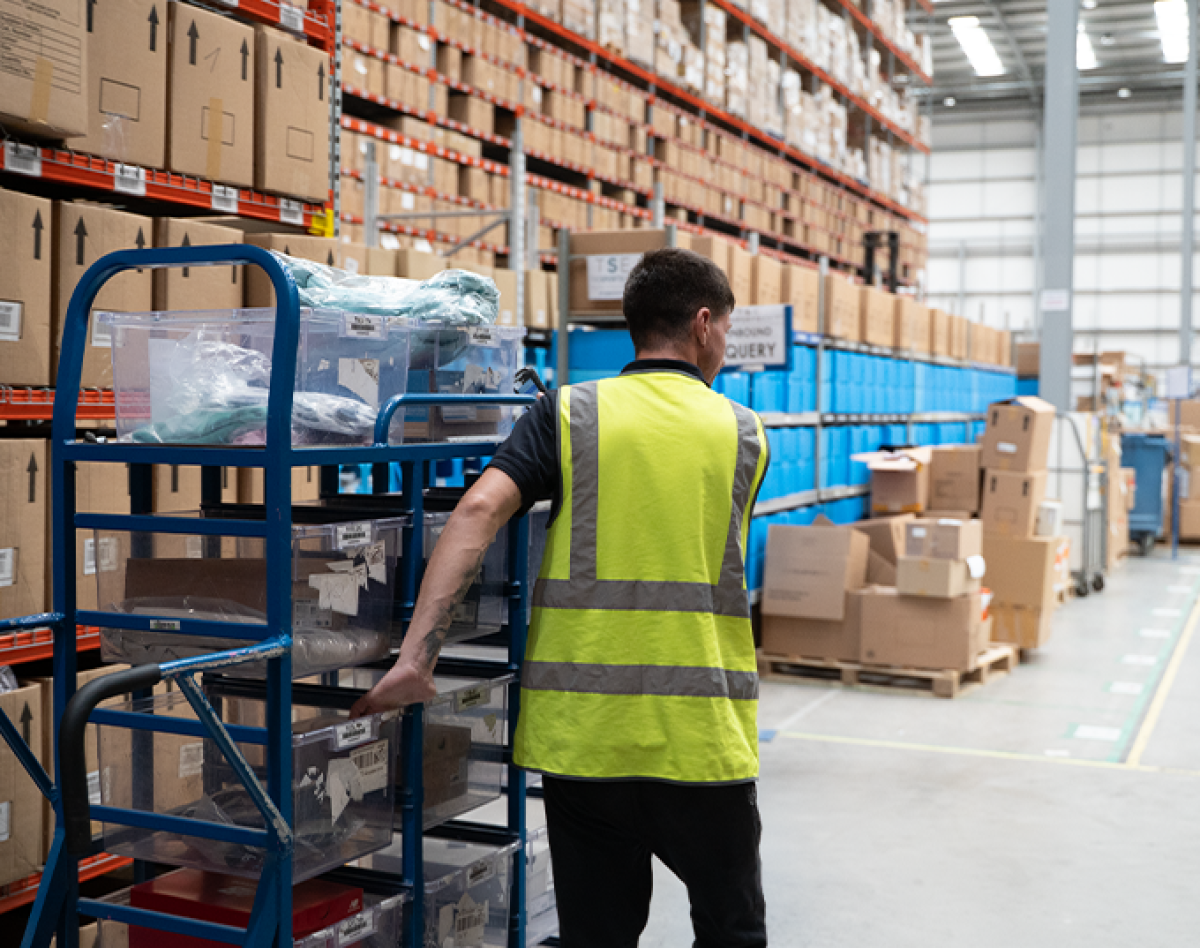
Global reverse transport and freight
We manage the efficient movement of products across international supply chains, ensuring returned, excess, or redistributed stock is routed to the right destination quickly and cost-effectively.
- International freight forwarding and cross-border logistics
- Customs management and compliance support
- Consolidation and routing optimisation
- Movement of goods between stores, warehouses, and resale channels
This ensures products are not simply returned, but intelligently redirected to where they deliver the most value.
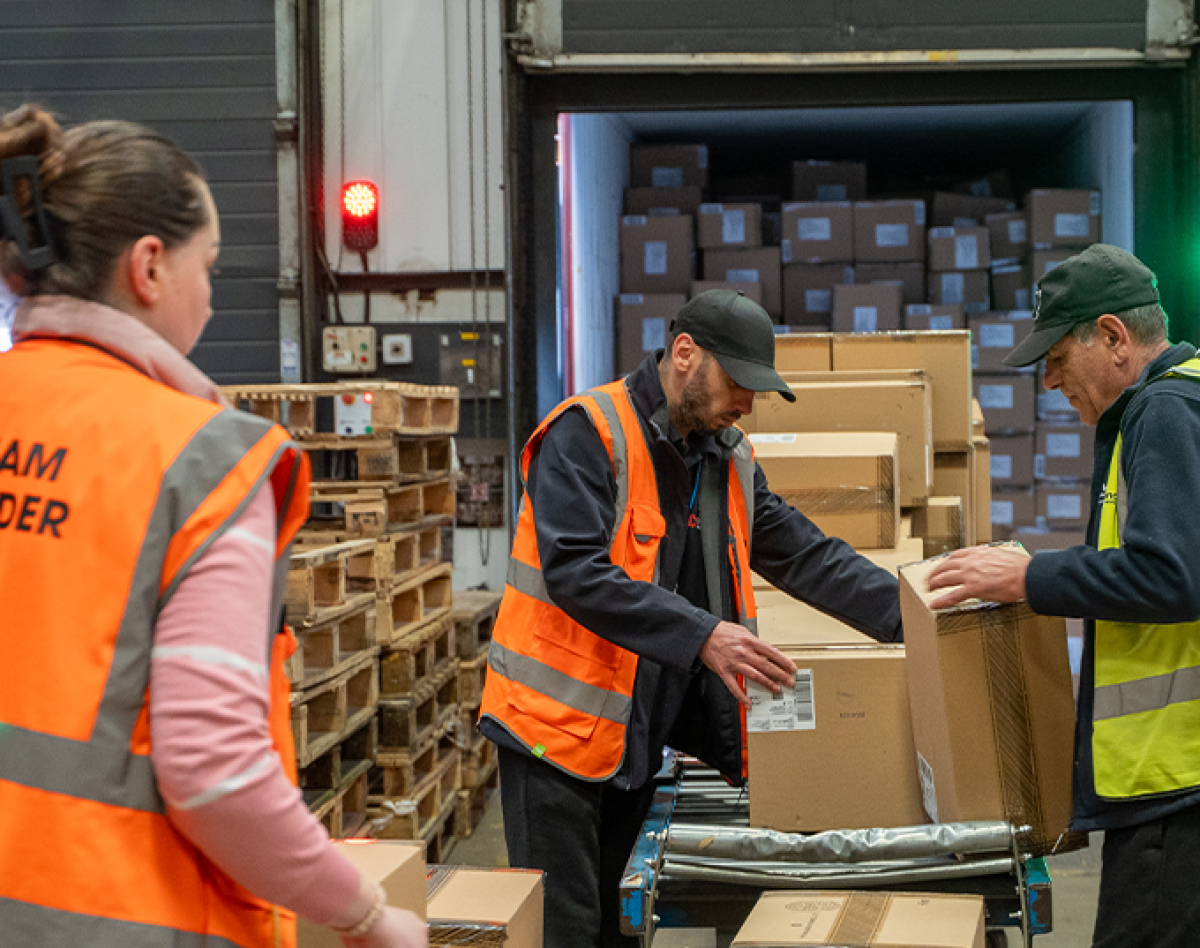
Reverse fulfilment and stock repositioning
We provide reverse fulfilment solutions that enable products to be processed, reworked, and redeployed back into the supply chain. This includes:
- Omnichannel fulfilment for resale and redistribution
- Inventory reintegration and stock balancing
- Order management and warehouse integration
- Scalable fulfilment centres across key global locations
By reconnecting returned products with demand, we help reduce excess stock and improve availability across channels.
Product processing and value recovery
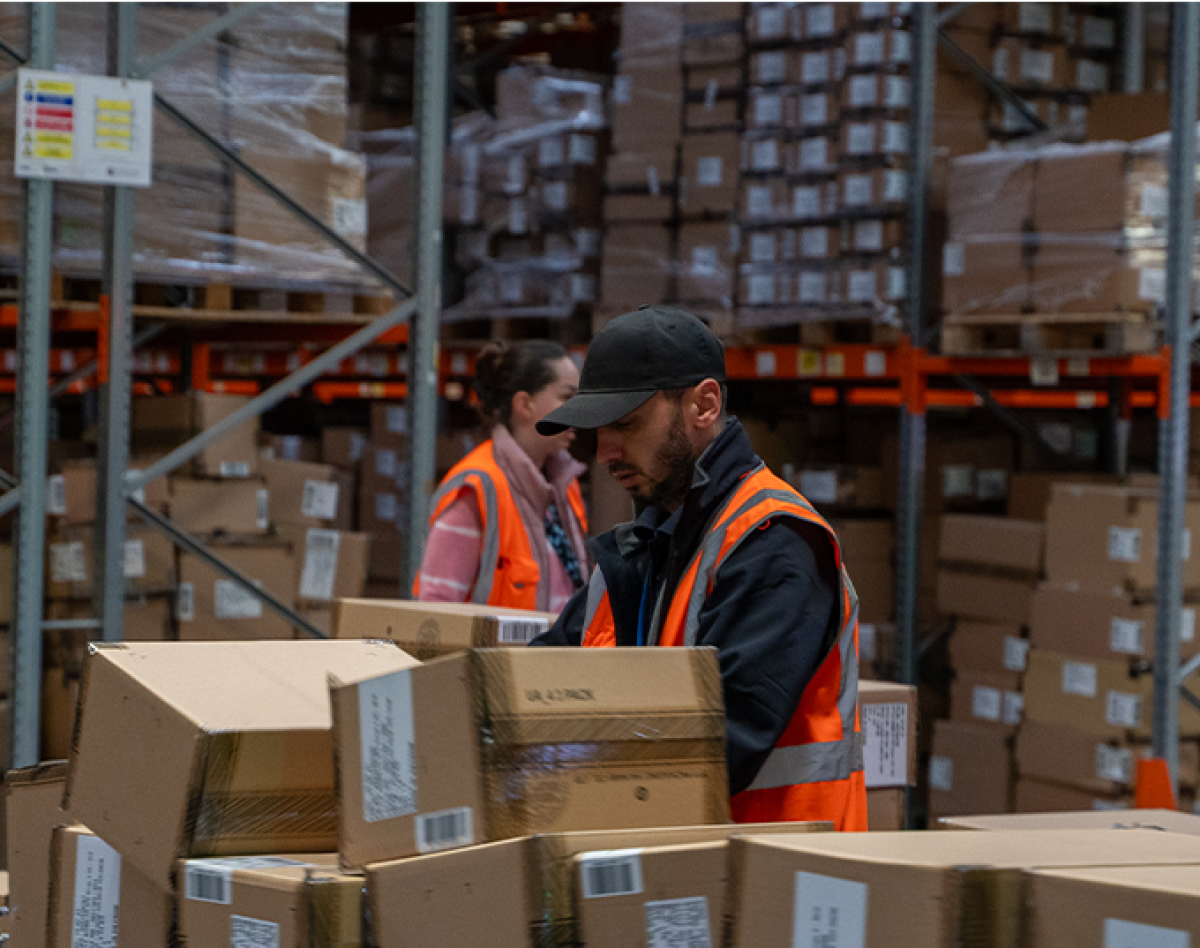
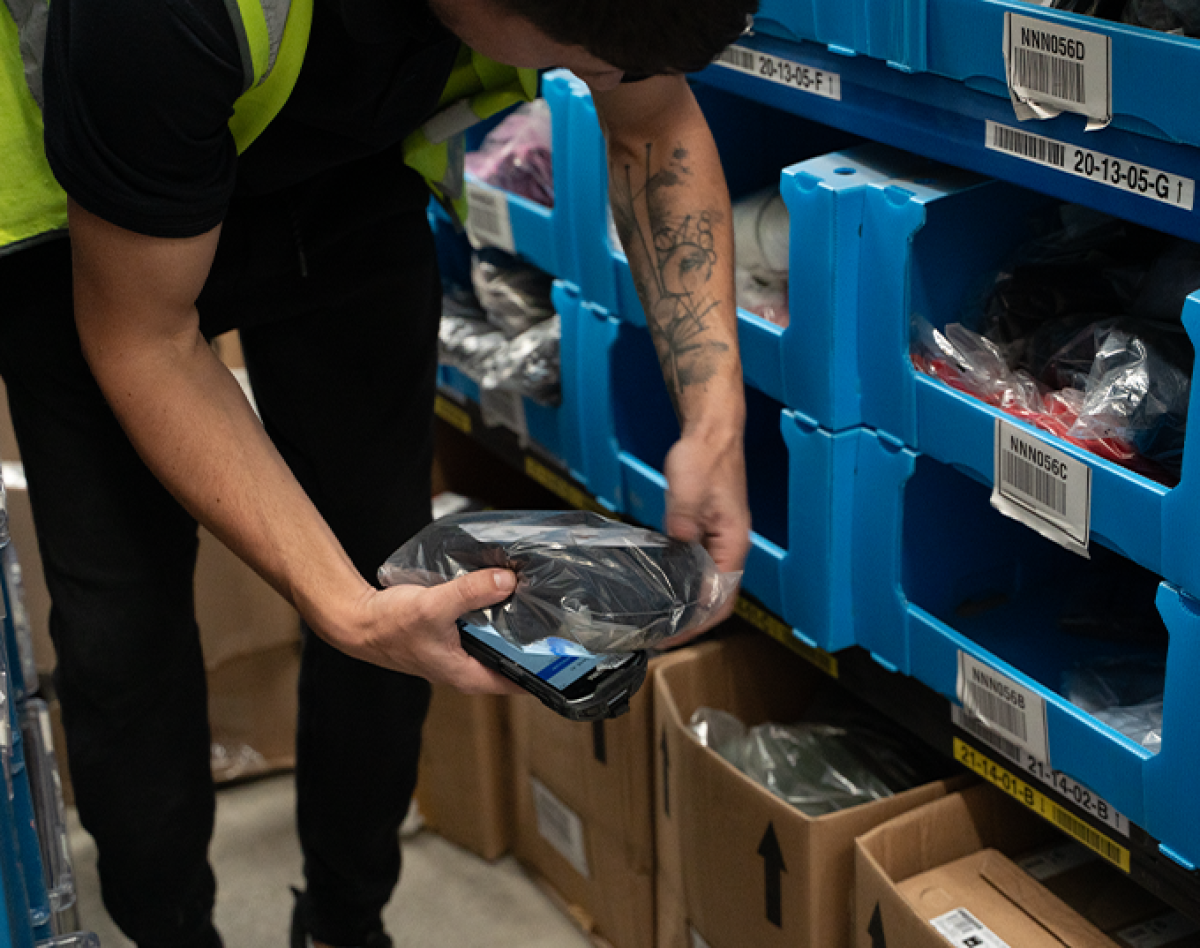
Our specialist brands embed advanced product handling capabilities into reverse logistics operations, so every returns item is inspected, sorted, and processed in the right way — protecting quality, reducing waste, and improving returns management outcomes. This includes:
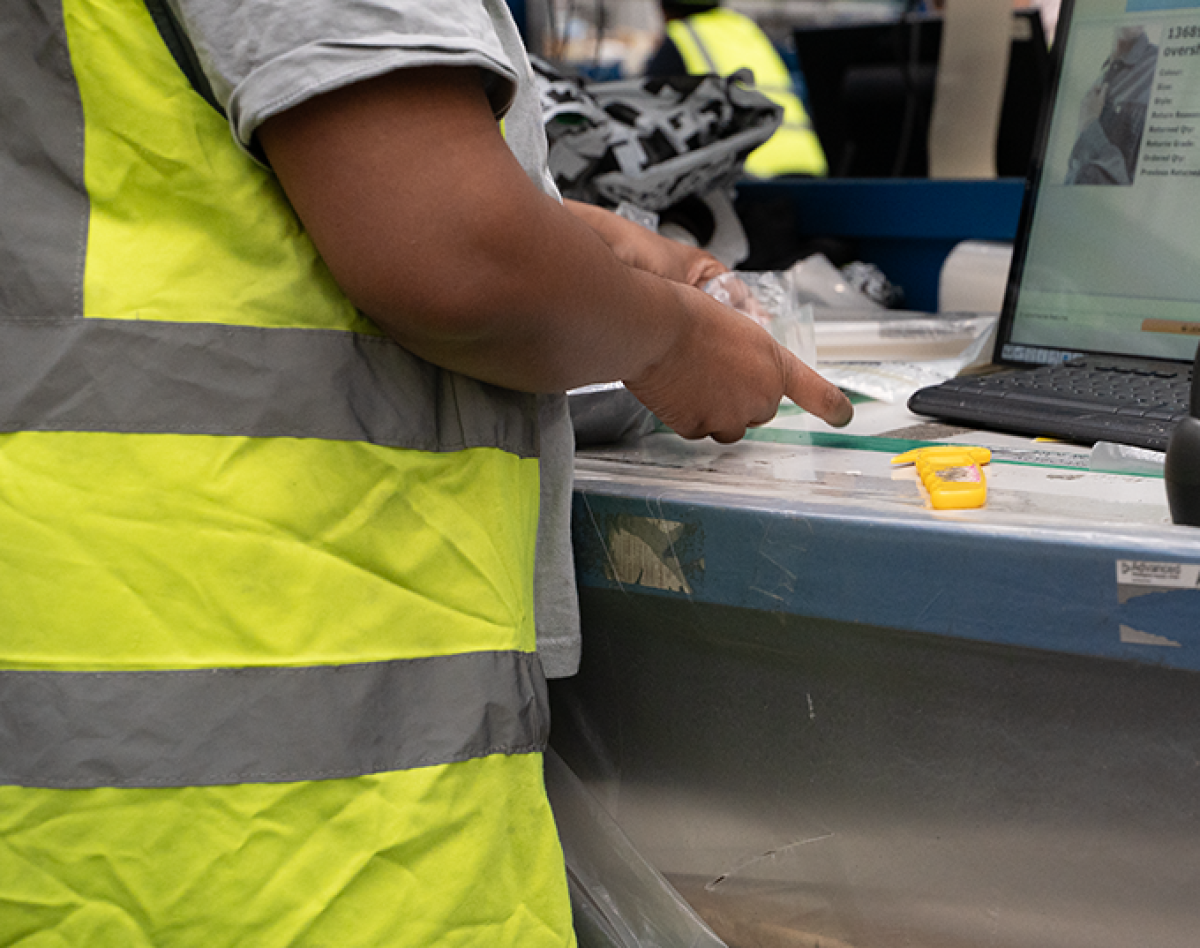
- Product inspection and grading to determine whether items can be repaired, refurbished, or prepared for resale
- Repair and refurbishment processes that restore products to the required standard, supporting value recovery and lifecycle extension
- Recycling pathways for items that can’t be reused or resold, helping reduce landfill and support sustainability goals
- Clear decisioning and documentation across the returns journey to improve traceability and control costs
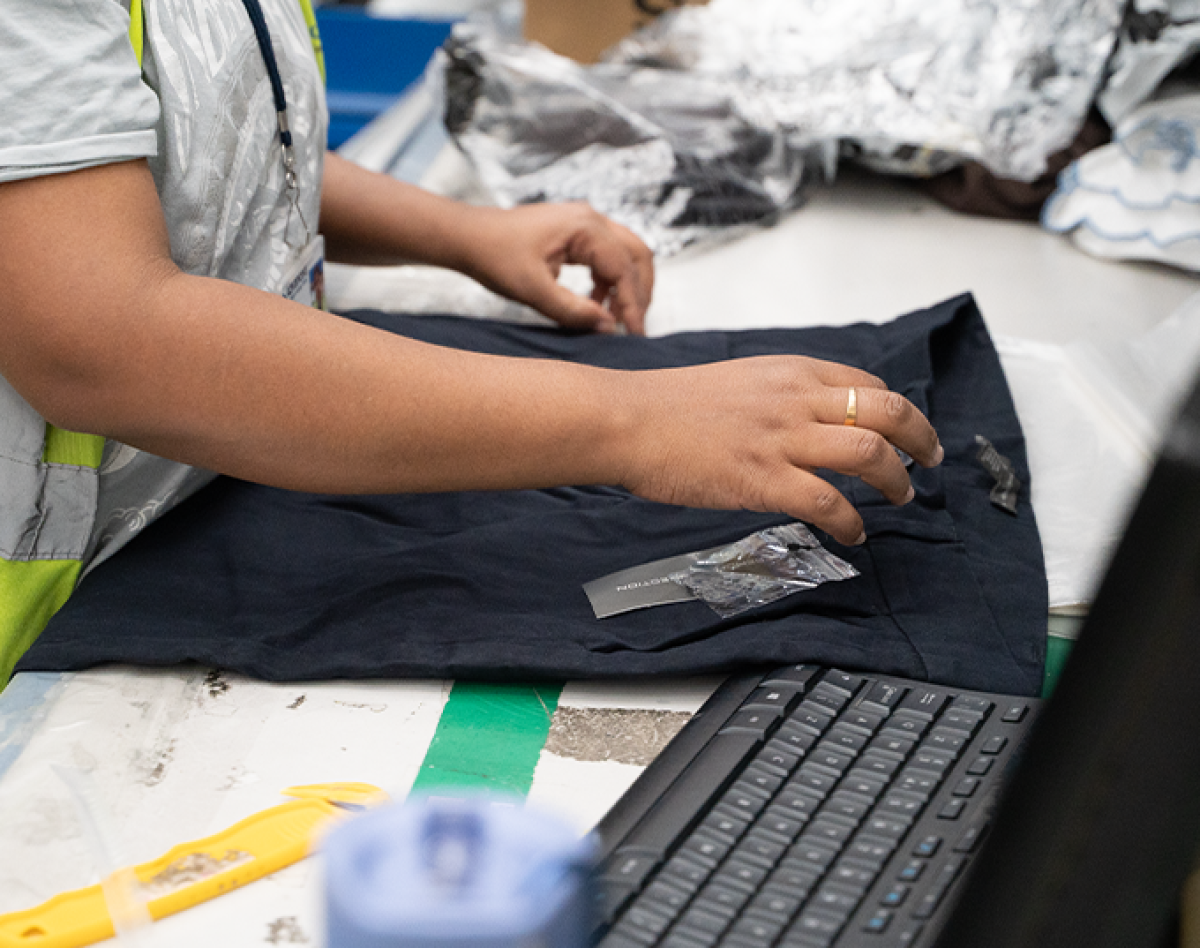
- Inspection, grading, and quality control
- Repair, refurbishment, and reconditioning
Circularity and recommerce enablement
We connect businesses to a global circular network that enables products to be reused, resold, or redistributed. This includes:
-
Resale and secondary market integration
Asset recovery and liquidation are value-focused strategies for returns that can’t be repaired, refurbished, or resold through your usual channels. Instead of treating these returns as write-offs, we help you maximise returns value by identifying the right route based on condition, demand signals, and market fit.
In practice, this means applying clear decisioning across the returns journey — so items are either prepared for resale, directed into secondary markets, or liquidated in a controlled way that protects brand reputation and reduces returns costs. By using the right strategies for each outcome, you recover more value from returned stock, improve inventory utilisation, and keep reverse flows predictable and efficient.
-
Rental, donation, and recommerce pathways
-
Partner networks for repair, recycling, and redistribution
-
Product lifecycle extension strategies
This approach turns reverse logistics into a key driver of circular business models, helping businesses move from linear to circular operations.
Integrated transport and logistics optimisation
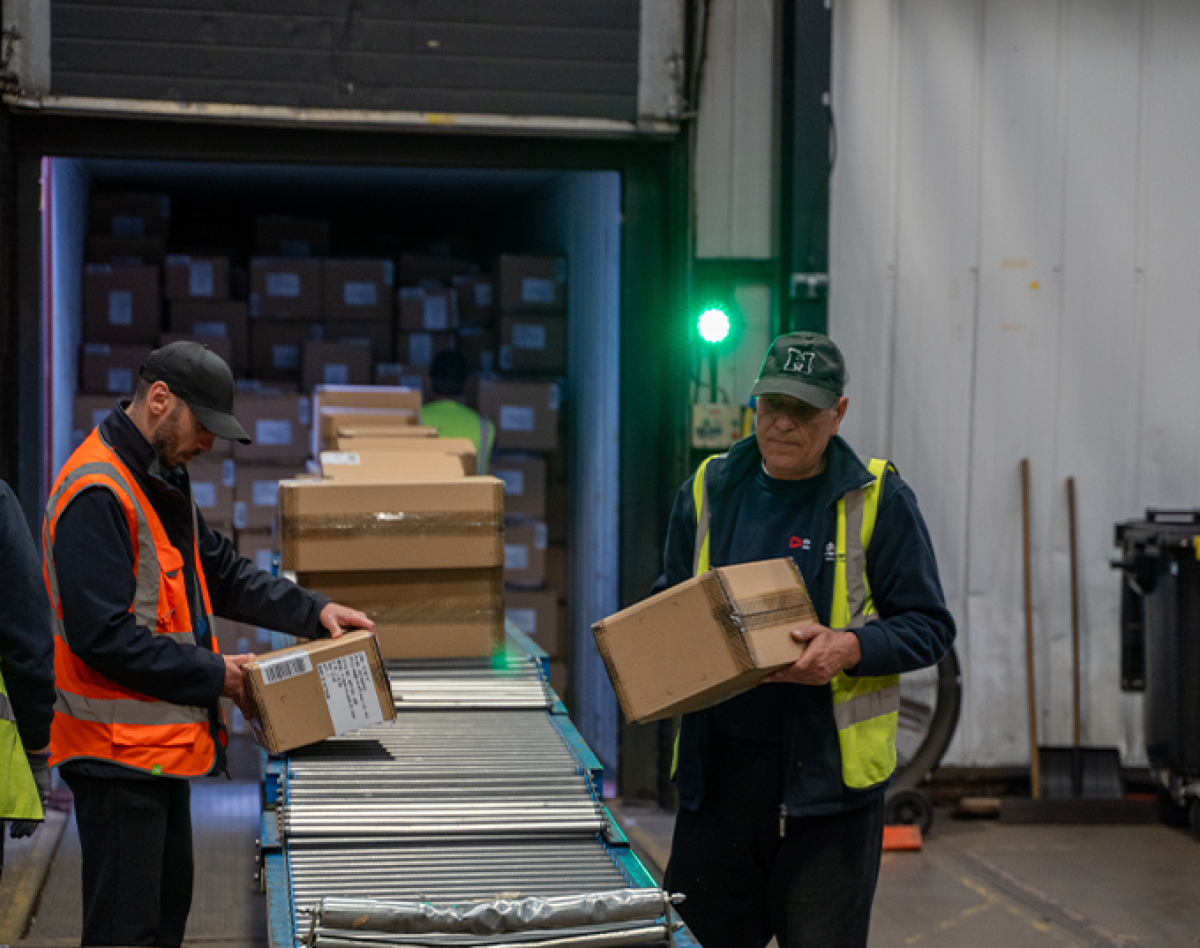
We design flexible transport and logistics solutions that support reverse flows alongside forward distribution.
- Route optimisation and load consolidation
- Real-time tracking and digital proof of delivery
- Integration with warehouse and fulfilment systems
- Reduced emissions through smarter logistics planning
By aligning forward and reverse logistics, we create more efficient and sustainable supply chains.
Data, visibility and control
Our reverse logistics solutions are powered by advanced technology and data insights that provide full visibility across your operations.
To make returns processing consistent and scalable, reverse logistics depends on the right software and systems — so teams can manage the full returns journey with speed, accuracy, and control.
At Reconomy, our approach to reverse logistics management is supported by technology that helps you:
-
Automate returns management workflows for ecommerce and retail channels
-
Centralise product data, condition grading inputs, and processing outcomes to improve traceability
-
Support real-time decisions on routing — repair, refurbishment, resale, or recycling — based on item condition and demand signals
-
Integrate with 3PLs, warehouse and fulfilment systems to coordinate movement, receiving, and stock updates
-
Provide visibility across reverse flows with tracking, status updates, and reporting for operational control
-
Real-time tracking of product movement and status
-
Analytics on product condition, volumes, and flows
-
Identification of bottlenecks and inefficiencies
-
Insights to reduce avoidable returns and improve product design
With better data, businesses can make faster decisions and recover more value from every product.
Case studies
Explore the latest case studies, where Reconomy helps brands Think Circular through reverse logistics solutions.
Supporting Columbia's Returns
By utilising Reconomy's specialist brand, ReBound's solutions, Columbia was able to transform their return process and create a seamless experience for consumers.
See Columbia's returns in actionRepresent
Discover how Reconomy specialist brand, ReBound, helped fashion giant Represent truly revolutionise their returns.
See Represent's returns strategyOh Polly
Learn how Oh Polly created a customer-first returns experience with Reconomy's specialist brand, ReBound Returns.
See our work with Oh Polly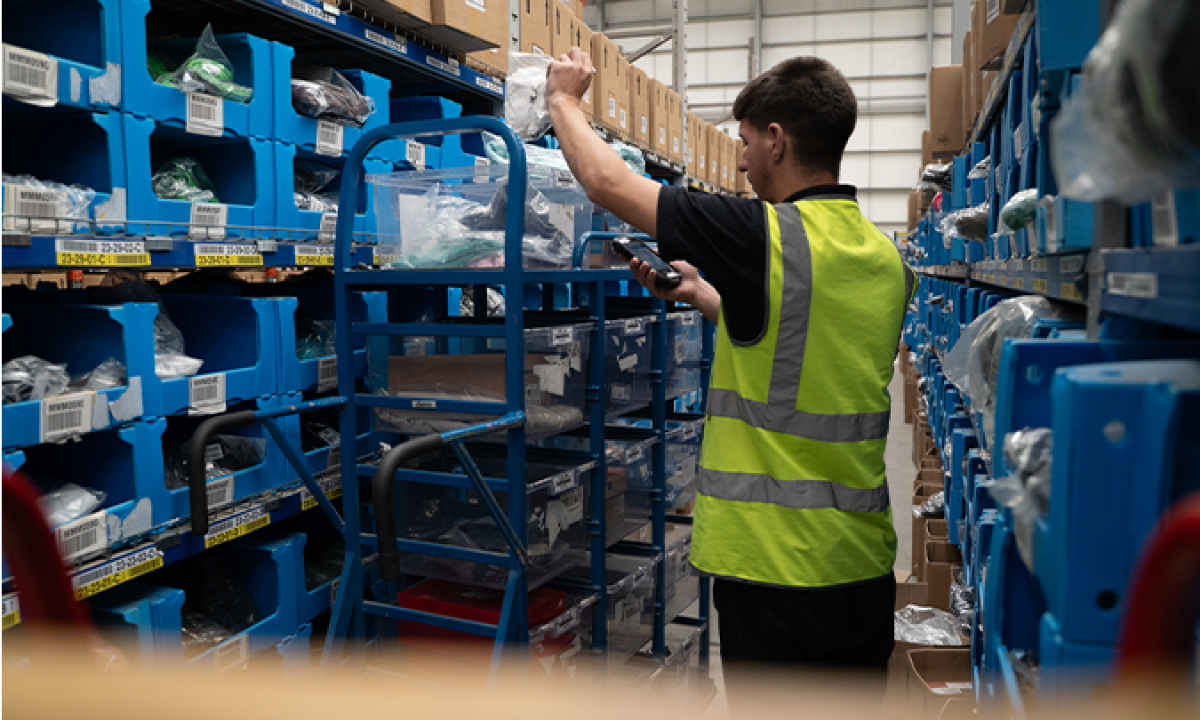
What is reverse logistics?
Reverse logistics is the process of moving products back through the supply chain so they can be reused, repaired, resold, or recycled.
We handle returns in a way that matches what’s happening at the point of return — so your returns management stays consistent, fast, and customer-first across every ecommerce channel.
Here are common product return scenarios and how the process typically unfolds:
-
Customer returns (fit, preference, or order issues): items are received, inspected, graded, and routed to the right outcome — resale, refurbishment, or recycling.
-
Damaged-in-transit or transit-related issues: products are assessed for repairability, with clear documentation to support claims and reduce repeat handling.
-
Warranty returns: units are processed through controlled inspection and testing, then repaired, refurbished, or prepared for recovery based on verified fault.
-
Recalls and safety/quality events: affected items are identified and routed to the correct destination for inspection, grading, and compliant processing — helping protect customers and brand trust.
-
Excess stock and redistribution returns: products are repositioned back into the supply chain through reverse fulfilment and stock balancing, reconnecting inventory with demand.
-
End-of-life or non-repairable items: when reuse isn’t possible, items are directed into responsible recycling pathways to recover materials and reduce waste.
It connects logistics, fulfilment, and product recovery into a single system that focuses on value recovery and lifecycle extension.
Effective reverse logistics helps businesses reduce waste, improve efficiency, and support circular economy goals.
Why reverse logistics matters now
Today’s global economy is still largely linear. Products are made, used, and discarded, with more than 90% of materials wasted rather than reused. Reverse logistics helps change that by making circularity practical and achievable.
It enables businesses to:
- Reduce waste and reliance on landfill
- Recover value from returned goods
- Improve customer experience
- Meet regulatory and ESG requirements
- Build more resilient supply chains
Circularity is not a cost; it is an opportunity to improve efficiency, unlock value, and do better business.
Speak to a reverse logistics expert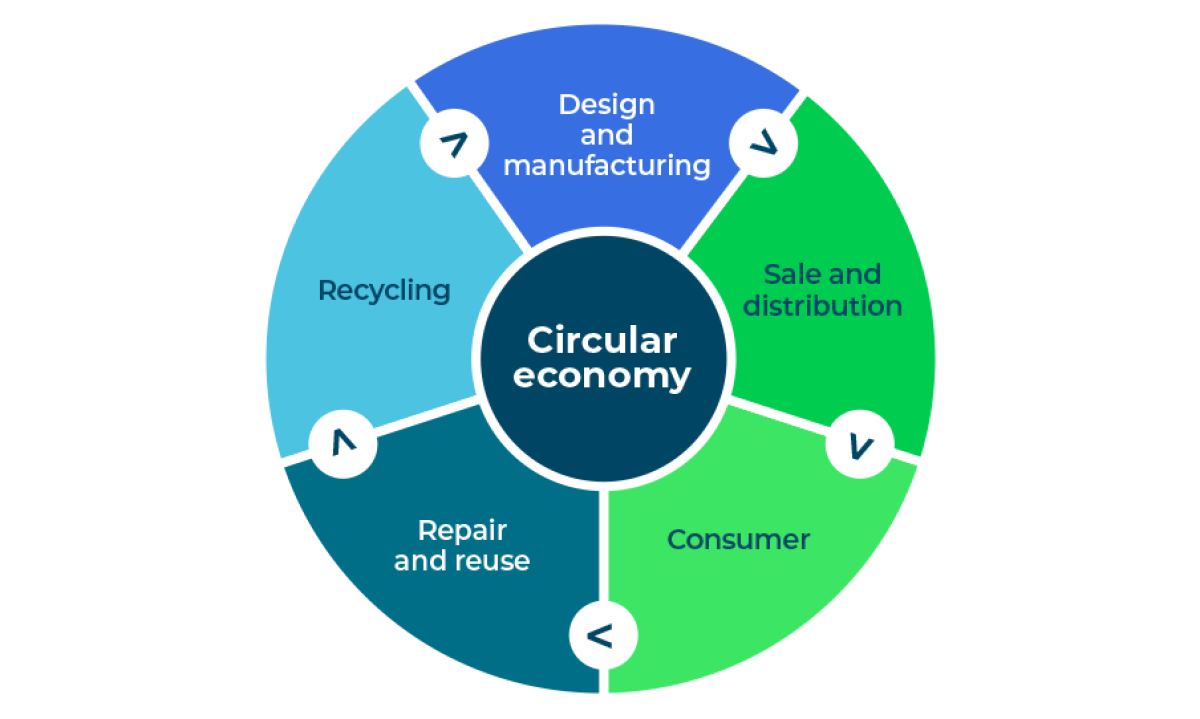
Turning reverse logistics into value
Reverse logistics is a key enabler of the circular economy. It helps businesses extend product lifecycles, reduce waste, and turn returns into measurable value.
By embedding reverse logistics across your operations, we help you build effective reverse logistics strategies that deliver clear outcomes — so you can:
-
Recover more value from products and materials
-
Reduce waste and environmental impact
-
Improve supply chain efficiency
-
Support long-term sustainability goals
Download our 2024 Sustainability Report
Ready to see real impact in action? Download our 2024 Sustainability Report to discover how Reconomy is accelerating the transition to a circular, net-zero future, one ambitious milestone at a time. Dive into the details, explore our progress, and be inspired to join us on the journey toward lasting change.
Our specialist brands
Advanced Supply Chain
Advanced Supply Chain delivers logistics, fulfilment, and reverse logistics capabilities that improve operational performance. Through intelligent supply chain design, automation, and value-added processing, Advanced enables faster, more efficient product handling and redistribution.
ReBound Returns
ReBound Returns provides global returns management technology and logistics infrastructure, forming a key part of reverse logistics ecosystems. Its platform connects partners, processes, and data to enable scalable, efficient product returns and recovery worldwide.
FAQs: Reverse Logistics
Reverse logistics services include transport, fulfilment, product processing, recommerce, and recycling activities that recover value from products moving back through the supply chain.
Returns management is the part of reverse logistics that focuses on the customer returns journey — how returns are collected, processed, and resolved for the customer. Reverse logistics is broader: it covers the full lifecycle of a returned item across the supply chain, including transport, inspection and grading, redistribution, and value recovery.
For example, returns management can include handling ecommerce customer returns for fit or preference, processing damaged-in-transit items, and managing warranty returns through inspection, testing, and repair or refurbishment. In reverse logistics, those same returns are then routed to the right outcome — resale, refurbishment, recommerce, or recycling — so products and materials stay in circulation for longer.
It improves efficiency, reduces waste, and enables better use of inventory by reconnecting products with demand.
Reverse logistics enables reuse, refurbishment, resale, and recycling, helping keep products and materials in circulation for longer.
Yes. With integrated transport, fulfilment, and partner networks, reverse logistics can be scaled across international markets and supply chains.
Retail, e-commerce, electronics, and consumer goods industries benefit most, especially where returns, redistribution, and product recovery are key.
Remanufacturing is a deeper form of product restoration that goes beyond basic repair or refurbishment. It’s used when a returned item can be rebuilt to a like-new standard by replacing worn parts, restoring performance, and validating quality — so it can re-enter the market with confidence.
In practice, remanufacturing typically includes:
- Detailed inspection to identify component wear and failure points
- Disassembly and component recovery, including parts suitable for reuse
- Replacement of critical components and reassembly to required specifications
- Testing and quality control to confirm performance and safety
- Packaging and retail-ready preparation so the product is ready for resale or redistribution
By choosing remanufacturing where it’s appropriate, you can recover more value from returns, reduce waste, and support circularity — while still delivering consistent quality to customers. And when an item can’t be remanufactured, the same returns journey can route it into the right recycling pathway instead.
- Retail-ready preparation, labelling, and repackaging
- Component recovery and product disassembly
Recycling and disposal are the final, essential step in reverse logistics management — ensuring that items that can’t be reused, repaired, or resold are still handled responsibly.
When returns are inspected and graded, each product is routed to the right outcome. For items that reach end-of-life, our recycling pathways support responsible material recovery, helping reduce landfill and recover value from components and materials.
This stage also protects your operations: clear decisioning and documentation support consistent management, while efficient routing helps control costs and avoid unnecessary handling. In practice, recycling becomes part of a controlled reverse flow — so every return is processed with the same care, whether it re-enters the market or is responsibly recovered for materials.
These returns strategies help you avoid premature write-offs by routing each item to the right recovery path — repair, refurbishment, resale, or recycling — so you protect product value and reduce returns costs. By making value recovery a consistent part of your returns process, you can lower waste, improve inventory utilisation, and control handling and processing expenses across every returns journey.
Speak to a Reverse Logistics Solutions expert