
Simpler Recycling Services for Business
Simpler Recycling is a UK Government policy that standardises recycling collections across England. From 31 March 2025, businesses and other non-domestic premises with 10 or more full-time-equivalent employees must separate core recyclable materials, food waste, paper and card, plastic, glass, and metal, from general waste.
Reconomy helps you meet these England requirements with compliant collection set-ups, waste audits, and clear reporting across every site, so you can stay on track as the legislation rolls out.
Simpler Recycling applies to England. The rules and rollout dates described above are for businesses and other non-domestic premises in England, with households and smaller businesses coming into scope in the later phases. If you operate across the UK, it’s important to check the relevant nation’s waste and recycling requirements, because the approach and thresholds can differ between England, Wales, and Scotland.
Simpler Recycling is part of the wider legislative direction set through the Environment Act 2021, which aims to improve recycling consistency, reduce contamination, and support a more circular economy. In practice, that means clearer requirements for how in-scope premises separate core recyclable materials from general waste, and more standardised collection expectations across England, so businesses can plan compliant waste audits, collection set-ups, and reporting with confidence.
What your business needs to do
Under Defra’s Simpler Recycling timetable, the recycling requirements for England roll out in stages.
The rollout timetable
| Date | Action |
|---|---|
| 31st March 2025 | Businesses and other non-domestic premises with 10 or more full-time-equivalent employees must separate the core recyclable materials from general waste. |
| 31st March 2026 | Households come into scope for Simpler Recycling. |
| 31 March 2027 | Micro-businesses (fewer than 10 full-time-equivalent employees) come into scope, and the rules expand to include plastic film in the relevant recycling stream. |
Micro-businesses under Simpler Recycling
To help you plan, it’s important to understand who counts as a micro-business under Simpler Recycling in England. In-scope premises are assessed by the number of full-time-equivalent employees, so a micro-business is generally one with fewer than 10 full-time-equivalent employees. That definition matters because the Simpler Recycling requirements for micro-businesses begin later than larger employers: the compliance date is 31 March 2027. From then, you’ll need to separate the core recyclable materials (food waste, paper and card, plastic, glass, and metal) from general waste in line with the England rollout timetable.
For the full timeline, the complete materials list and the evidence behind the rules, read our in-depth guide: Simpler Recycling UK: rules, deadlines and what it means.
Download our guide
Prepare for Simpler Recycling
Prepare for Simpler Recycling
Which premises are included
All materials that are capable of being recycled will be collected from all businesses, including premises such as schools and hospitals. The only exemptions at this moment are plastic film and green waste.
Household recycling under Simpler Recycling
In England, households will need to recycle the core waste streams under Simpler Recycling, with the key exception that plastic films are not included in the household recycling requirements at this stage. From 31 March 2026, local authorities begin receiving ongoing resource funding to support separate food waste collections, so weekly food waste collections will be introduced, while core recycling waste collections (paper and card, plastic, glass, and metal) continue as standard.
What changes in 2027
31 March 2027 is the point at which plastic film is tackled and removed from regular plastic waste, introducing flexible collections from households and businesses.
This will also be the time that smaller businesses with fewer than 10 full-time employees will have to comply.
Materials to separate
Paper and card
All paper and cardboard, except:
-
Paper and card that contains glitter or foil
-
Paper that is laminated
-
Stickers and sticky paper
-
Padded lined envelopes
-
Paperback and hardback books
-
Wallpaper

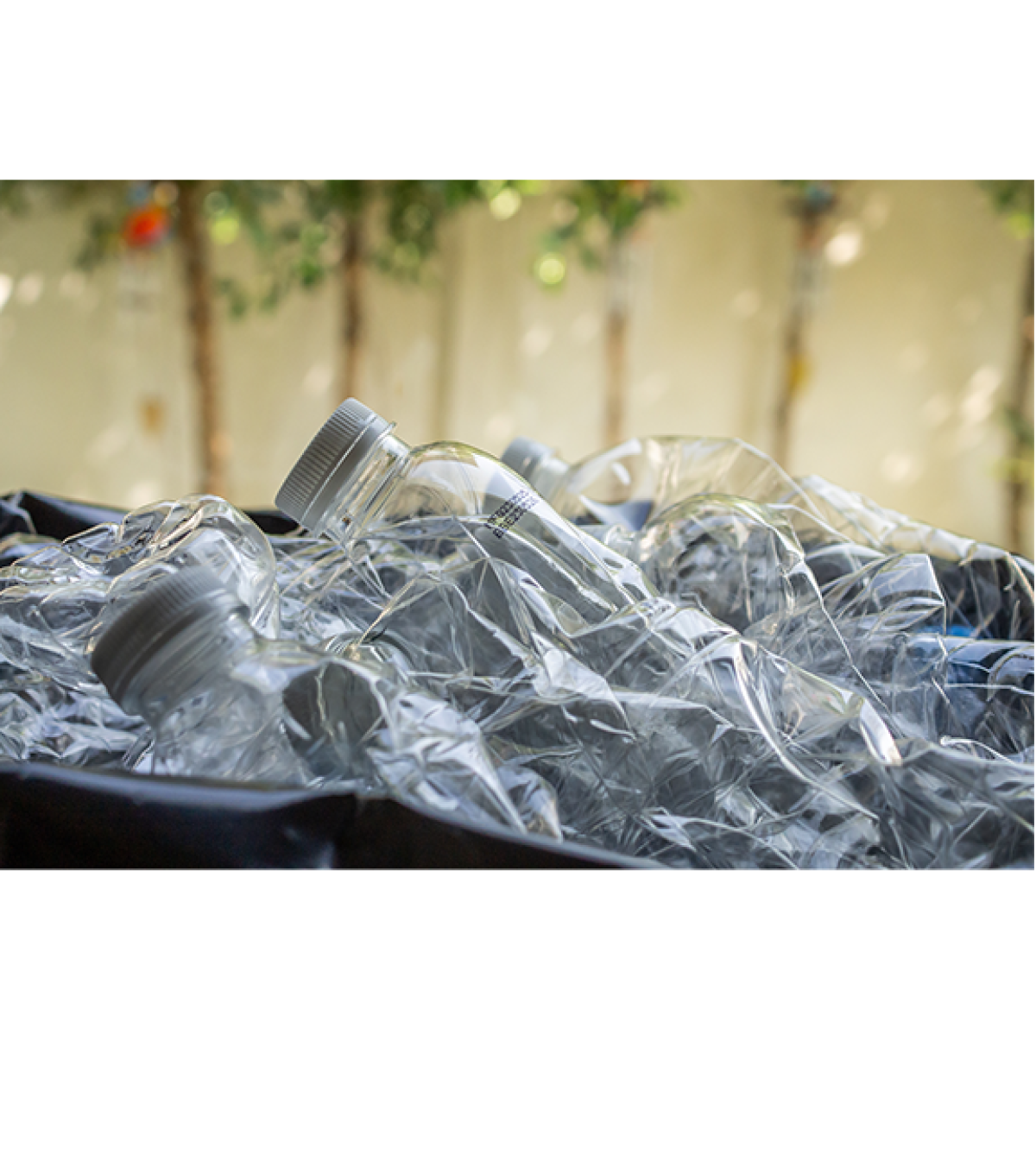
Plastic
- Plastic bottles made from polyethylene terephthalate (PET, including amorphous, recycled PET), polypropylene (PP), and high-density polyethylene (HDPE)
-
Pots, tubs, and trays made of PET (including amorphous, recycled, and crystalline PET), PP (including expanded PP), and polyethylene (PE)
-
PE and PP plastic tubes larger than 50mm x 50mm
-
Cartons for food, drink, and other liquids, including aseptic and chilled cartons
-
Plastic film packaging and plastic bags made of mono-polyethylene (mono-PE), mono-polypropylene (mono-PP), and mixed polyolefins PE and PP, including those metallised through vacuum or vapour deposition (to be included from 31 March 2027)
Metal
- Steel and aluminium tins and cans
-
Steel and aluminium aerosols
-
Aluminium foil
-
Aluminium food trays
-
Steel and aluminium jars and bottle lids
-
Aluminium tubes
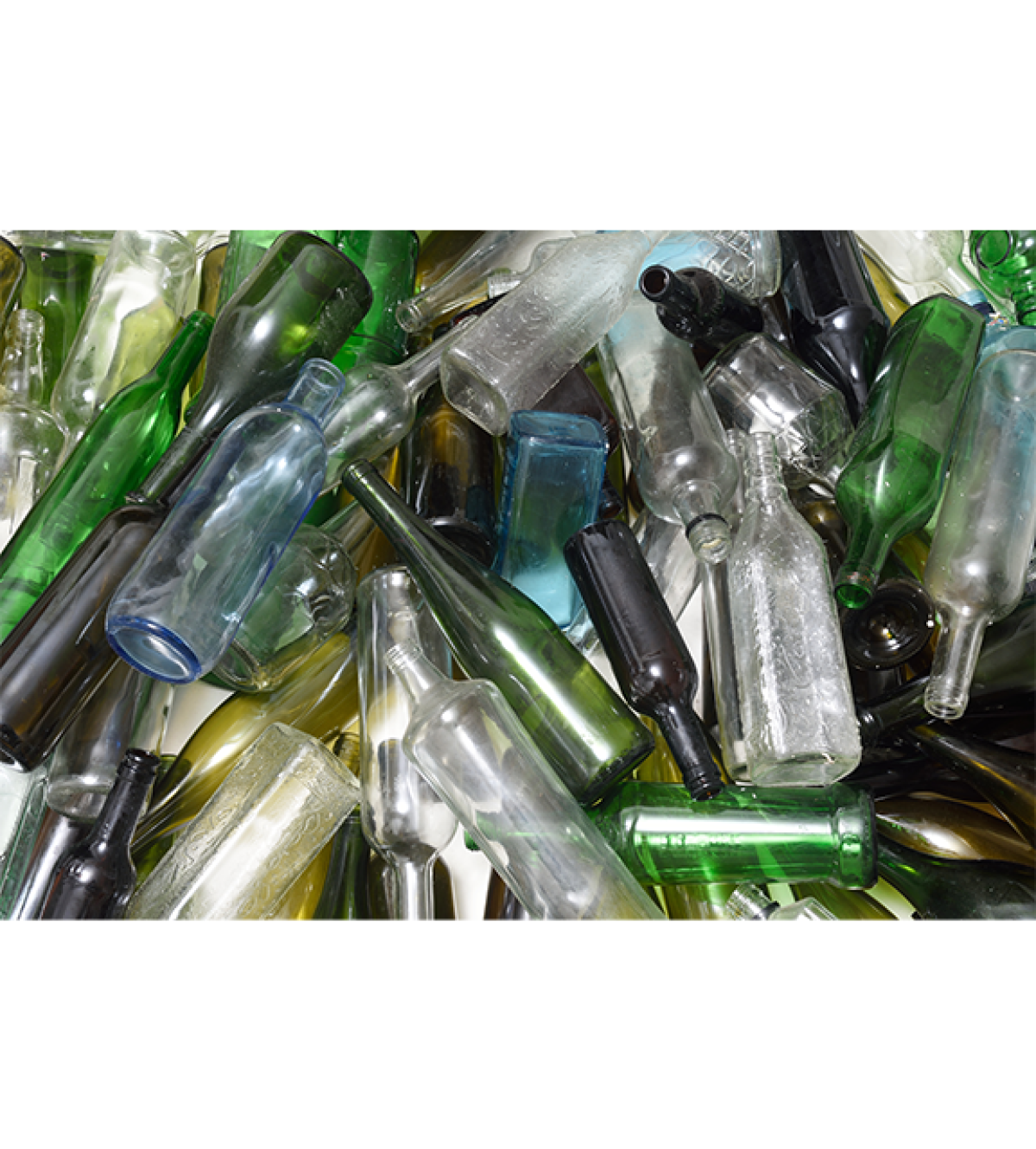
Glass
Glass packaging, including bottles and jars.
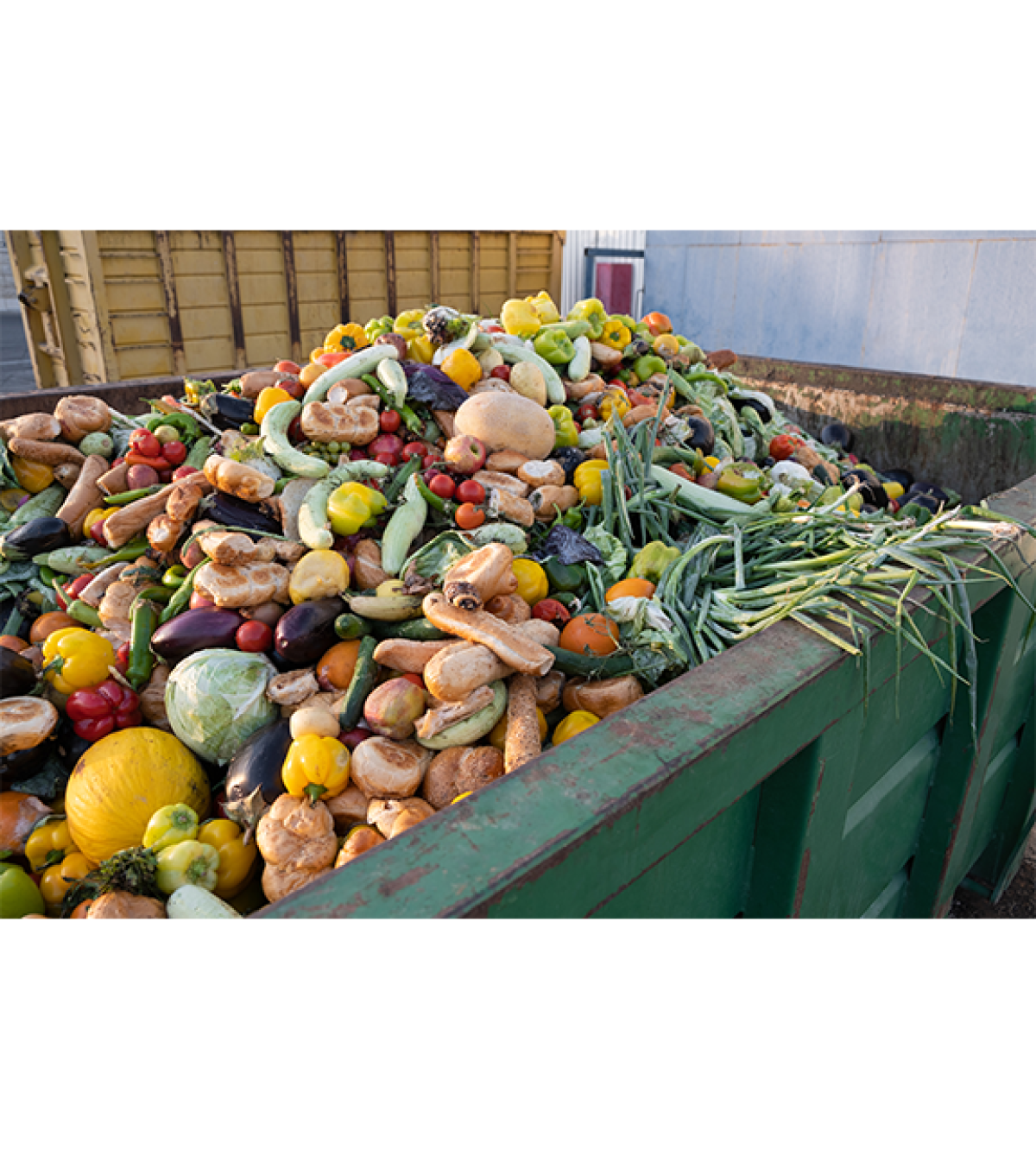
Food waste
-
All food intended for human or household pet consumption, regardless of whether it has a nutritional value
-
Biodegradable material resulting from the processing or preparation of food, including inedible food parts such as bones, eggshells, fruit and vegetable skins, tea bags and coffee grounds
Download our latest webinar
In our latest webinar, Navigating the Latest Legislative Changes in the Waste Industry: Key Updates, we discussed the rollout of the Simpler Recycling Legislation and just how it may impact your business.
To receive a free recording of the webinar, with our very own Head of External Affairs, Dave Gudegeon, you can download a copy today.
Download hereServices to help with Simpler Recycling
Below are some of the services Reconomy offers that can assist with Simpler Recycling legislation
Frequently Asked Questions
Simpler Recycling is a UK Government policy that standardises recycling collections across England, helping households and businesses separate the same core waste streams: paper and card, plastic, glass, metal, and food waste.
Following engagement with the waste sector, government intends to include plastic film packaging and plastic bags made of mono-PE, mono-PP and mixed polyolefins PE and PP in the plastic recyclable waste stream, including those metallised through vacuum or vapour deposition.
The legal requirement for businesses to separate recyclable materials from general waste doesn’t mean you will have six separate bins, which was a common misperception. Under the Simpler Recycling legislation, producers are allowed to co-mingle the recyclable materials mentioned in this document (except food waste) into one bin.
However, it should be noted that waste carriers do have the right to require producers to segregate glass from the other materials, which we commonly refer to as Dry Mixed Recyclables (DMR). We strongly encourage you to talk to us so we can help you identify where you can or cannot mix recyclable glass in a DMR bin.
Since 31 March 2025, businesses and non-domestic premises with 10 or more full-time-equivalent employees must separate recyclable materials. Households followed from 31 March 2026, and micro-businesses with fewer than 10 employees from 31 March 2027.
Businesses must separate paper and card, plastic, glass, metal, and food waste from general waste. Dry materials such as paper, card, plastic and metal can usually be co-collected, while food waste and glass are collected separately.
Yes. In England, all workplaces in scope must separate food waste from general waste regardless of volume, which differs from Wales and Scotland where a 5kg per week threshold applies.
The Environment Agency oversees enforcement. Non-compliant businesses can face compliance action and, for repeated breaches, fines or prosecution. Contaminated bins may be rejected and still charged for.
Reconomy supports businesses with waste audits, compliant dry mixed recycling, food waste and glass collections, staff guidance, and multi-site reporting to move from compliance to circular resource management.
Speak to our experts