
Construction Waste Management: A 10-Step blueprint
Read MoreWEEE Waste Recycling and Disposal Services
For businesses of all sizes
Waste Electrical and Electronic Equipment (WEEE) legislation affects every industry and businesses of all sizes. It covers monitors, TVs, printers, computers, laptops, kettles and much more.
Get in touchCommercial WEEE waste recycling and disposal services
Electrical items need specialist handling when they’re collected and disposed of. We help your business recycle them safely while meeting all the legislation that applies.
The Waste Electrical and Electronic Equipment Regulations 2013 became law in the UK on 1 January 2014. They were amended in the Waste Electrical and Electronic Equipment (Amendment, etc.) Regulations 2025. That makes it more important than ever to manage electrical recycling collections correctly and reduce harm to the environment.
WEEE recycling is part of our wider hazardous waste management service. You can combine it with your regular commercial waste collections or run it through a nationally managed waste service across multiple sites.
What counts as WEEE (EEE) for your business?
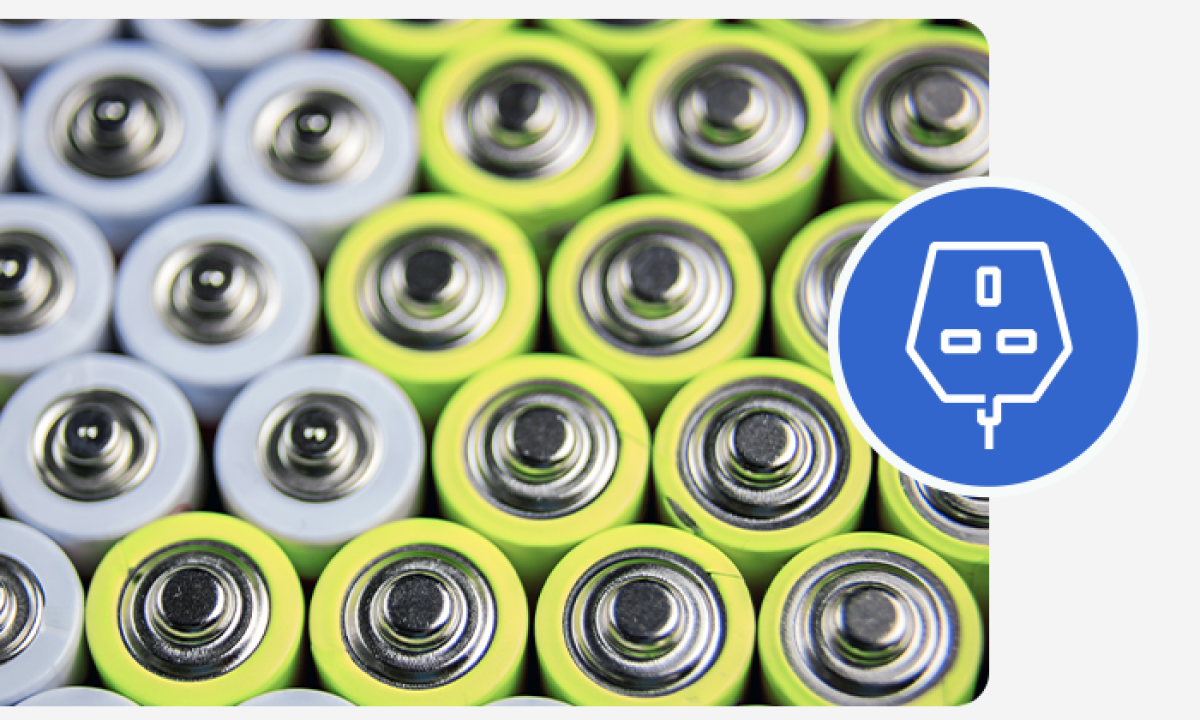
WEEE waste typically includes most end-of-life electrical and electronic equipment (EEE) used in your business. That means anything that relies on a plug, cable or batteries. As well as IT equipment such as computers and printers, it can include:
- lighting, including fluorescent tubes
- small appliances, such as kettles and microwaves
- large appliances, such as fridges
- batteries and vapes
Keeping electrical and electronic waste separate from general waste supports proper recycling and protects the environment. It also reduces the risk of hazardous components ending up in landfill.
WEEE collection options: retailer take-back and approved schemes
There may be more than one way to have your WEEE collected, depending on the type and volume of items. We can arrange collections from your sites and keep your documentation consistent. Using formal WEEE recycling routes means safe handling, clear tracking and compliance with the rules on storage, transport and treatment.
For larger programmes, our circular take-back and reverse logistics services help you recover electrical products from customers and sites. Recovered items can then be reused, refurbished or recycled.
Retailer appliance take-back
Retailers can take back old appliances for recycling, and many are legally required to. Under the WEEE regulations, anyone selling new EEE must take back household WEEE free of charge on a like-for-like basis.
Retailers selling over £100,000 of EEE a year must offer in-store take-back. Smaller and online-only sellers can join the Distributor Takeback Scheme (DTS), operated by Valpak, a Reconomy specialist brand.
We can arrange regular collections and recycling of items your stores take back. See the government guidance on the Distributor Takeback Scheme for more.
See the government guidanceSecure IT disposal and data destruction
Laptops, desktops, phones, servers and printers often hold personal or business data. Before any IT equipment leaves your site, that data must be wiped or securely destroyed to protect confidentiality and meet data protection and environmental duties.
Our secure IT disposal service combines WEEE recycling with data destruction. Equipment is collected securely and data is removed or destroyed. The hardware is then recycled, and you receive documentation for your records. For paper records and storage media, our confidential waste disposal and shredding services give you a complete secure disposal route.
If equipment still works, refurbishment and resale can extend its life. Our returns management service can grade and route these items.
Preparing equipment for recycling: data, batteries and storage
Before collection, store WEEE somewhere dry and secure to protect staff and prevent damage to valuable materials. Remove or isolate batteries where it’s safe to do so, and handle any equipment that may contain hazardous substances with care. Any device that may hold data should be wiped, or the data securely destroyed, before it leaves your site.
Pairing WEEE collections with an office recycling programme makes it easier for staff to separate electrical items from everyday waste.
See our confidential waste services
Understanding the WEEE Directive and your compliance duties
The WEEE Directive sets out how electrical and electronic equipment should be collected, treated and recycled. It underpins the UK WEEE regulations and similar frameworks in other regions.
Your duties depend on your role. A business disposing of its own equipment has different obligations from a producer placing EEE on the market, or a retailer taking back customers’ old items. A responsible approach usually includes:
- separating WEEE from other waste
- using authorised recycling partners
- keeping records to show how your waste was managed
Our environmental compliance and waste data management services can help you track and evidence this. Producers can get help with their own obligations from Valpak, a Reconomy specialist brand.
Get assistanceHow do you dispose of WEEE products?
Read our blog to find out how your business can reduce the amount of WEEE it produces and dispose of it correctly.
Get in touch
FAQs: WEEE Waste
WEEE waste disposal is the safe collection, treatment and recycling of unwanted electrical and electronic equipment, from laptops and printers to fridges and lighting. Under UK WEEE regulations, businesses must keep this e-waste out of general waste and use authorised recycling routes. Recyclers can then recover valuable materials and handle hazardous components safely.
Correct WEEE disposal improves recycling by supporting better sorting and recovery of metals, plastics and glass from electrical and electronic waste. It also keeps hazardous materials out of general waste and landfill.
For businesses, good WEEE management:
-
supports sustainability goals
-
protects your reputation
-
shows that unwanted electrical items are handled responsibly, from collection to final recycling
It also keeps valuable materials in use, a core principle of the circular economy.
It stands for Waste Electrical and Electronic Equipment. It means any discarded electrical or electronic device, including household appliances, IT equipment, televisions and mobile phones.
Yes. WEEE is the legal term used in the UK and EU for what’s commonly called e waste or electronic waste. Both cover any discarded item with a plug, cable or battery.
The following are classed as WEEE, but please check with our team before requesting a quote:
-
Large household appliances
-
Small household appliances
-
IT and telecommunications equipment
-
Consumer equipment
-
Lighting equipment
-
Electrical and electronic tools
-
Toys, leisure and sports equipment
-
Medical devices
-
Monitoring and control equipment
-
Automatic dispensers
WEEE contains valuable materials, such as metals, plastics and glass, that can be recycled and reused. Recycling it through organised collections conserves natural resources, reduces landfill and prevents pollution. It also reduces the health hazards linked to improper disposal.
Look for the crossed-out wheelie bin symbol on the product or its packaging. It means the item shouldn’t go in general waste and must be recycled separately.
Businesses should use an authorised WEEE collection and recycling service like ours. Household items can go to designated collection points, local recycling centres or retailer take-back schemes.
Yes. Under the UK WEEE regulations, retailers that sell new electrical equipment must offer free like-for-like take-back of old household items. They do this either in store or, for smaller and online-only retailers, by joining the Distributor Takeback Scheme, which Valpak operates.
It’s sorted, taken apart and shredded to separate the different materials. Metals, plastics, glass and other components are then processed and recycled into new products or raw materials.
Yes. In the UK, the WEEE Regulations 2013, as amended in 2025, set requirements for collection, treatment, recycling targets and the safe disposal of hazardous substances. Rules vary in other countries and regions.