
ASDA George
Read More about ASDA GeorgeCircular economy services
Reconomy's circular economy services help businesses reuse, repair, recycle and recover resources instead of discarding them. Delivered across our Recycle, Comply and Re-use loops, these services reduce waste, cut costs, support extended producer responsibility compliance, and open up new revenue th
Circular Economy services designed round your business
Keep products and materials in use for longer
Moving from a linear “take, make, use” model to a circular economy means looking beyond disposal and considering what happens throughout a product’s lifecycle.
Reconomy helps businesses identify opportunities to reuse, repair, refurbish and remanufacture products and components, with recycling and recovery used where higher-value options aren’t feasible.
Our services can help you:
- Keep products and components in circulation
- Extend the working life of assets and equipment
- Recover value from returned products and materials
- Reduce waste and reliance on virgin materials
- Improve resource efficiency across your operations, supported by business models built around reuse and recovery
What our Circular Economy Services include
Reuse, repair, refurbishment and remanufacturing
Our reuse services keep products and components in circulation with minimal processing, from IT asset recovery to redeploying stock and equipment across sites instead of buying new.
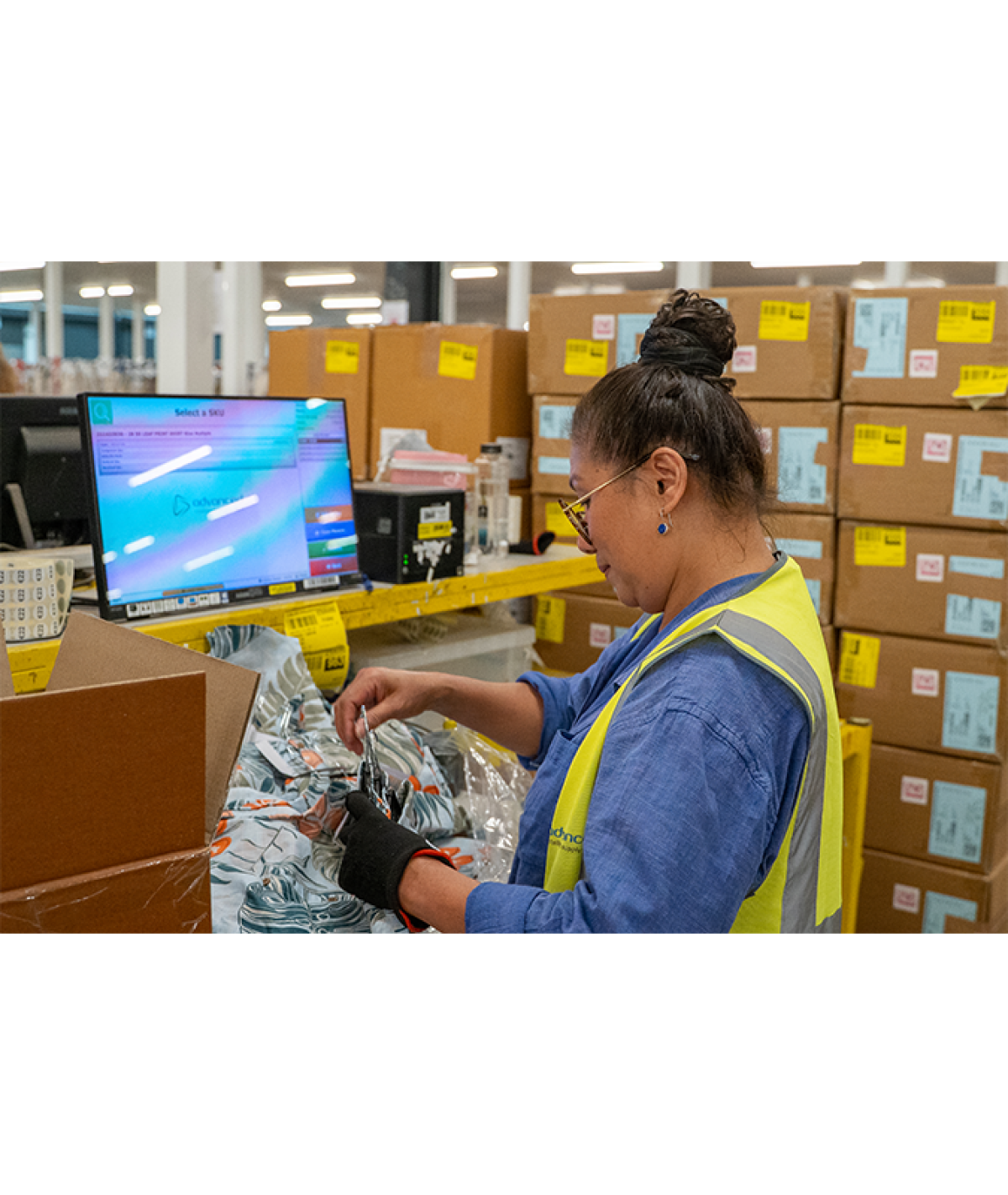
Repair and refurbishment cover the full range of value-added processing needed to bring products back to a sellable or working standard: quality control inspections, steam tunnelling and hand pressing, spot cleaning, sewing repairs, individual item labelling, and co-packing, re-packing or re-working as needed.
Remanufacturing goes further still, rebuilding products to a like-new condition, often with a comparable warranty. Supported by processes such as PAT testing, metal detection and RFID tracking, our returns and salvage services protect investment and cut demand for new materials while keeping products in use for longer.
Recycling, recovery and reverse logistics
Where reuse or refurbishment isn’t feasible, recycling and recovery services ensure materials stay in the system rather than becoming waste, reducing the environmental impact of disposal. Our material management services cover:
- Material-specific recycling for metals, plastics, glass, wood, textiles and paper
- Specialised recycling for electronics, batteries and other complex products
- Energy recovery from residues that cannot practically be recycled
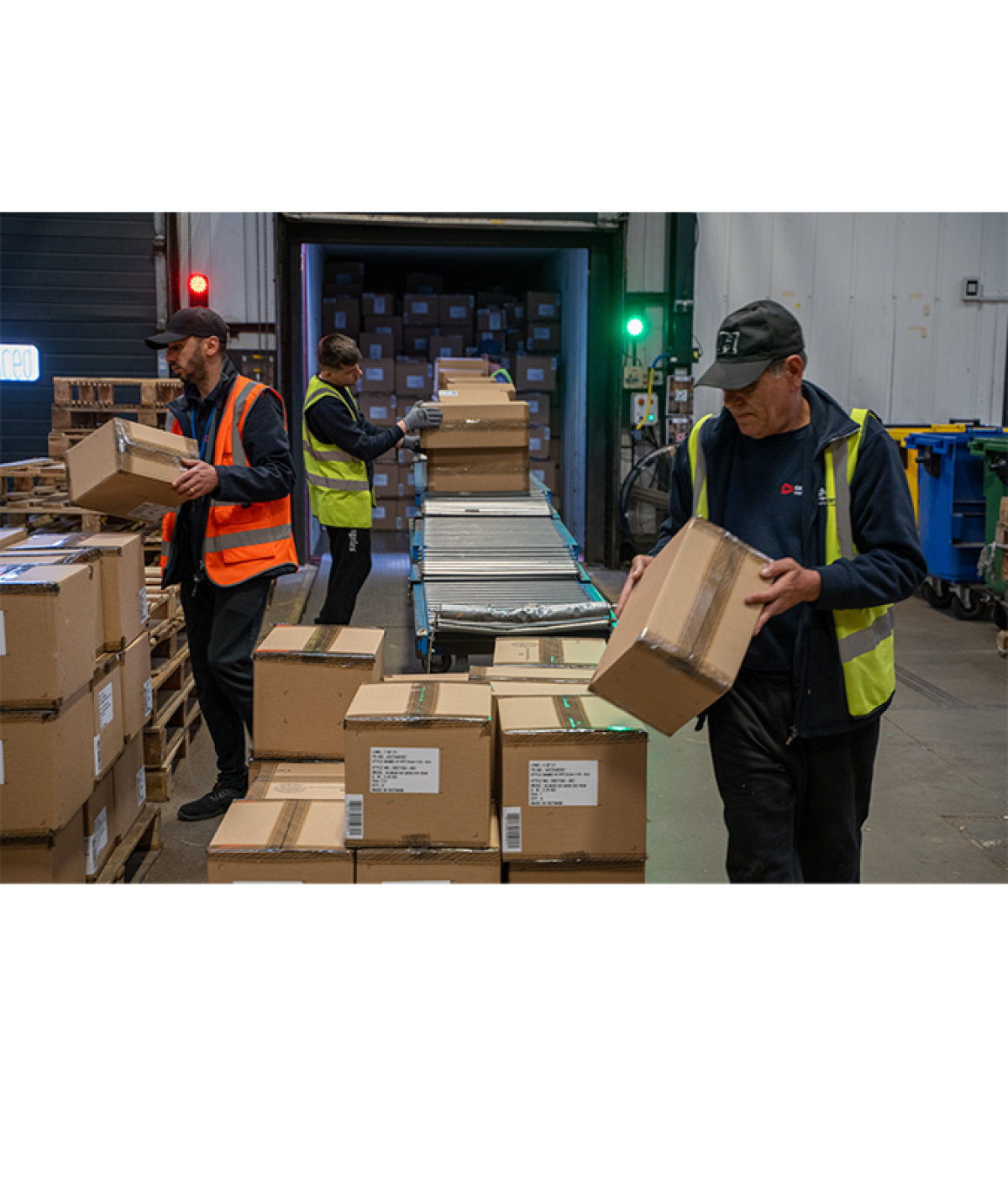
To make circularity work at scale, take-back and reverse logistics systems are essential, managing the return flow of end-of-use products and materials from customers, sites or retail locations back to the right processing partner.
Compliance, reporting and circularity measurement
Measurement is central to a successful circular economy programme. Our ESG and sustainability reporting services help you track resource flows, monitor reuse, repair, recycling and recovery rates, and quantify reductions in waste, emissions and other environmental impacts.
Compliance services help align circular practices with regulation, including EPR, product take-back laws and waste management systems. True circularity measurement goes beyond recycling rates, tracking how long assets stay in use and how business models such as product-as-a-service and take-back improve lifecycle resource efficiency.

Trusted by
We work with major international brands across numerous sectors and industries, who share a common desire to better measure their circularity metrics and achieve their sustainability goals



Download our 10-point framework
Reconomy’s 10-Point Framework to enable the Circular Economy
To support systemic change, Reconomy has developed a 10-point regulatory framework. These principles are designed to simplify waste systems, drive investment, and scale up sustainable practices.
Industries we support
Retail and packaging
Retailers are under growing pressure to reduce packaging waste and support more sustainable consumer behaviour. Reconomy’s packaging recycling services and EPR support for the packaging sector help retailers:
-
Implement reusable and returnable packaging systems
-
Launch take-back schemes for products, textiles, electronics or packaging
-
Introduce repair, refurbishment or trade-in offers to keep products in use
Reverse logistics networks, delivered through specialist brands like ReBound, allow packaging, materials and products to flow back from customers to distribution centres for cleaning, reuse or recycling. Read more in our guide to sustainable packaging for retailers.

Construction and the built environment
Construction and property sectors use large volumes of materials and generate substantial waste. Reconomy’s specialist site services focus on design, deconstruction and material recovery, including:
-
Material take-back schemes for fixtures, fittings and finishes
-
Refurbishment and remanufacturing of building components
-
Deconstruction planning to maximise reuse and recycling during renovation or demolition
Our construction waste guide and our article on the circular economy in construction go into more depth on how developers, contractors and asset owners can improve resource efficiency, reduce project costs and lower the environmental impact of work across the building lifecycle.

Fashion
In fashion, circular services support textile collection, resale, repair and recycling. We help brands recover garments at end of use, resell refurbished items, and feed fibres back into new products. See our circular fashion explainer for more.

Automotive
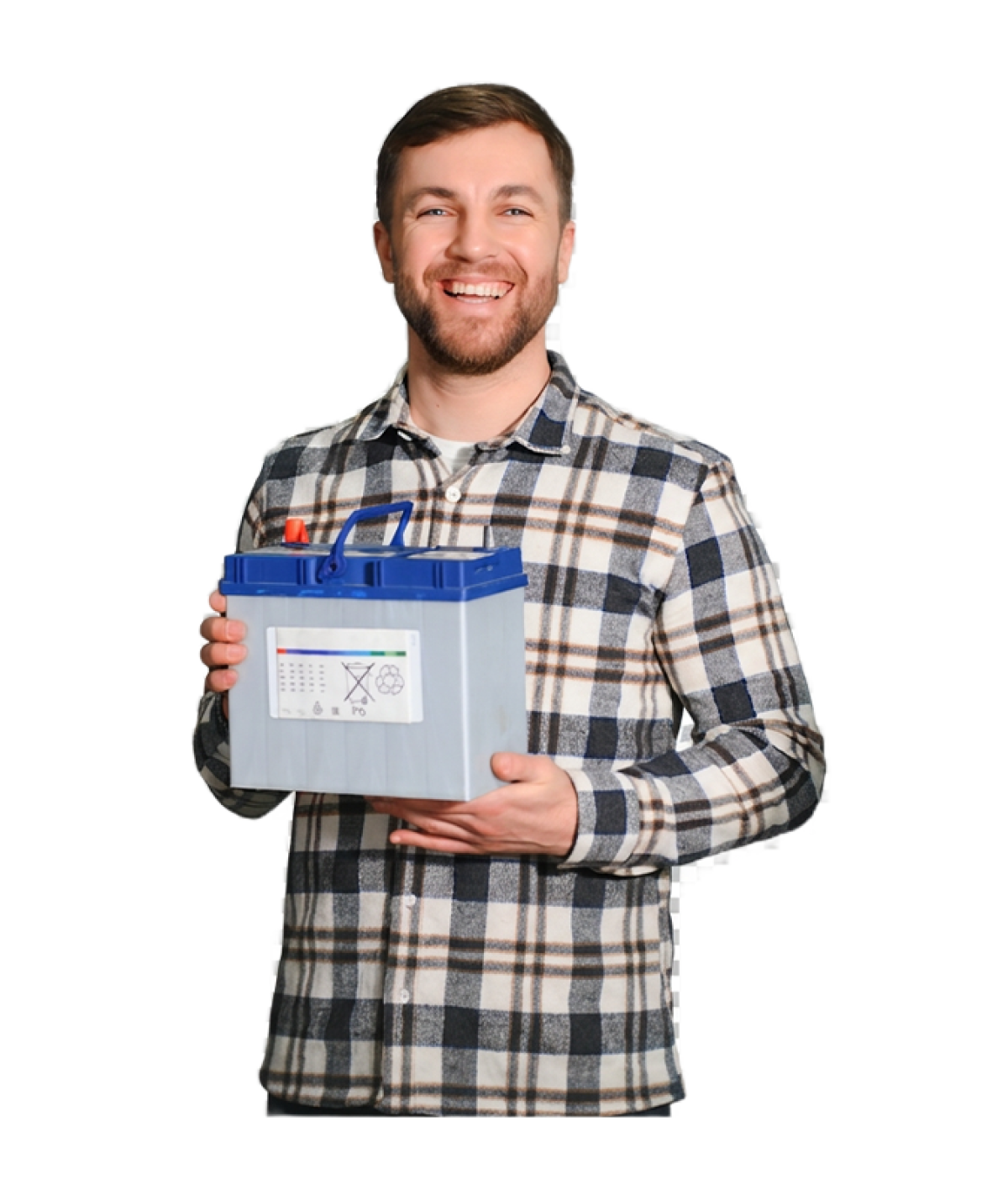
In automotive, circularity has long been embedded in remanufactured parts, component reuse and metal recycling, supported by well-established recovery systems. Today, services increasingly extend to EV battery collection and recovery and outcome-based business models such as mobility-as-a-service. Across industrial manufacturing, electronics and healthcare, businesses use circular economy services to keep high-value products and materials in circulation, control costs, and reduce supply-chain and environmental risk.
Business benefits of circular economy services
Lower disposal costs and better resource efficiency
Reusing products and components cuts the waste you need to collect, reducing disposal and transport costs. Better resource efficiency means fewer new materials and less scrap, lowering procurement costs over time.
Learn how to lower disposal costsNew revenue, stronger supply chains
Circular models open new revenue streams, from refurbished products to repair packages and outcome-based pricing. These build recurring income and strengthen supply-chain resilience against volatile material markets.
Discuss supply chain opportunitiesSustainability and compliance, delivered
Designing for reuse, repair and recycling demonstrates real environmental outcomes, supporting net-zero targets and sustainable procurement. An experienced partner keeps programmes compliant while still adding commercial value.
Speak to our compliance experts
How to choose the right circular economy partner
The right partner prevents waste, keeps products in use, and makes sure returns flow back into controlled reuse, repair, remanufacturing or recycling loops. Look for:
- Technical capability across reuse, repair, refurbishment, remanufacturing and recycling
- Coverage and logistics to match the scale of your operations
- Integration with your existing ERP, inventory and customer systems
- Quality, safety and compliance standards, including certifications
- Reporting tools that measure circularity, impact and cost savings
A strong partner also supports strategic planning, from prioritising use cases to building engagement across procurement, operations, finance and sustainability.
Speak to our circularity experts
Questions to ask before starting a circular programme
Before launching or scaling a circular programme, clarify objectives with potential partners:
- Which waste streams or product lines suit reuse, repair or recycling?
- What models, such as product-as-a-service or take-back with resale, fit our sector?
- How will reverse logistics work, and what does that mean internally?
- How is impact measured, and what reporting supports our sustainability goals?
- What internal change will the programme need to succeed?
Getting these answers early helps you build a programme that fits commercial priorities and delivers measurable value. Our circularity insights have more detail to help you prepare.
Improve our circularityFAQs
Circular economy services are professional solutions that help businesses keep products, materials and resources in use for longer. They include reuse, repair, refurbishment, remanufacturing, recycling, material recovery, reverse logistics, and advisory and reporting support. Unlike traditional waste services, which focus on disposal, circular services are designed to maximise value across the full product lifecycle and support more sustainable business models.
Several service categories directly support reuse and recycling: reuse and resale programmes for products, components and packaging; repair and refurbishment services that restore items to working condition; remanufacturing of complex products such as machinery or electronics; collection, sorting and material-specific recycling; and take-back and reverse logistics systems. The right mix depends on your sector, products, customer expectations and regulatory context.
Circular economy services reduce costs by cutting waste, improving resource efficiency, and extending the life of products and assets. Reuse, repair, refurbishment and remanufacturing get more value from existing materials and equipment, while recycling and recovery can generate revenue from secondary materials. Business models like product-as-a-service also create stable, recurring income. Over time, these financial benefits combine with reduced environmental impact and improved compliance to make circular economy services a strategic investment rather than a cost of doing business.
Technology underpins effective circularity at scale. Digital tools, data platforms and AI-assisted sorting and tracking systems help businesses monitor material flows, verify outcomes, and report accurately against sustainability targets. See our articles on technology driving the circular economy and AI in the circular economy for more detail on how this is developing.
In practice, a take-back programme typically works like this:
- Collection and returns. Customers or internal teams send items back using agreed channels: drop-off points, scheduled collections, or prepaid return labels.
- Consolidation. Returned goods are gathered at regional hubs to reduce transport cost and improve handling efficiency, an approach our returns management service is built around.
- Sorting and triage. Items are inspected and graded to determine the best route: reuse, repair, refurbishment, remanufacturing or recycling.
- Processing and re-entry. Products and materials are processed accordingly, then reintroduced into controlled loops as refurbished goods, secondary materials or recovered components.
- Data capture and reporting. Volumes, routes, outcomes and quality results are tracked using digital waste tracking systems, so operations can be optimised and circular performance measured over time.
Handled well, reverse logistics turns what used to be waste streams into steady sources of secondary materials and refurbished goods, creating both economic and environmental value.
To measure impact in a practical, decision-ready way, teams typically track:
- Circularity rate: the share of products and materials kept in use through reuse, repair, refurbishment, remanufacturing and recovery
- Utilisation and lifespan extension: average increase in service life for repaired or refurbished assets
- Waste diversion: reduction in waste sent to landfill or incineration, plus volume of materials recovered
- Reuse and repair performance: repair rates, refurbishment throughput and turnaround times
- Resource and emissions indicators: reductions in virgin material demand and associated environmental impact from avoided production
- Economic outcomes: cost savings from lower disposal volumes and reduced procurement of new inputs
This evidence, drawn from reporting systems built into your circular programme, supports internal decision-making, strengthens public sustainability reporting, and helps your business respond quickly to investor and customer data requests with clear, auditable results.
Product-as-a-service (PaaS) is one of the clearest examples of a circular business model in action, and one of several business models reshaping how products are owned, used and recovered. Instead of selling a product outright, a provider retains ownership and responsibility for its full lifecycle, including maintenance, repair, upgrades and eventual recovery, while the customer pays for outcomes such as availability, uptime or hours of use.
This gives the provider a direct financial incentive to build products that last and are easy to repair and recover. For businesses adopting PaaS, this means predictable, recurring revenue, a steady internal supply of returned products ready for refurbishment or remanufacturing, and a lower environmental footprint than a traditional buy-and-discard model.
Our guide to circular economy business models explores this and other emerging business models in more detail.
Latest news
Speak to our circularity experts
Download our 2025 Sustainability Report
This report shares our latest progress towards sustainability targets and our updated sustainability strategy, Action: 2030.
Related regulations and resources
PPWR does not sit in isolation. It connects to a wider set of packaging and circular economy regulations, and this hub links to the content that helps you navigate them: