
Froneri
Read More about FroneriSustainability consulting
Practical strategies. Measurable impact. Circular outcomes.
Sustainability is no longer a side project. It’s a business priority.
Our sustainability consulting services, delivered through our specialist brands, help you turn ambition into action. We combine data, technology and expert insight to help you measure your impact, cut emissions and build more circular, resource-efficient operations.
From carbon accounting and reporting, carbon footprinting and Scope 3 emissions to energy efficiency improvement, supply chain decarbonisation and procurement carbon requirements, we make sustainability practical, measurable and commercially sound.
Trusted by




Our sustainability consulting services
Sustainability consultants meeting with clients to discuss carbon footprinting and environmental strategy.
Sustainability consultants meeting with clients to discuss carbon footprinting and environmental strategy.
Carbon footprinting services
Your carbon footprint is the foundation of any sustainability strategy. We measure your greenhouse gas emissions across Scope 1, 2 and 3. We use recognised methods, including the GHG Protocol and ISO 14064, so your data is accurate and auditable.
We don’t stop at the numbers. We show you where your emissions hotspots are and which reductions to tackle first. The same data feeds into UK Sustainability Reporting Standards (UK SRS) disclosures, so you won’t need to repeat the work later.
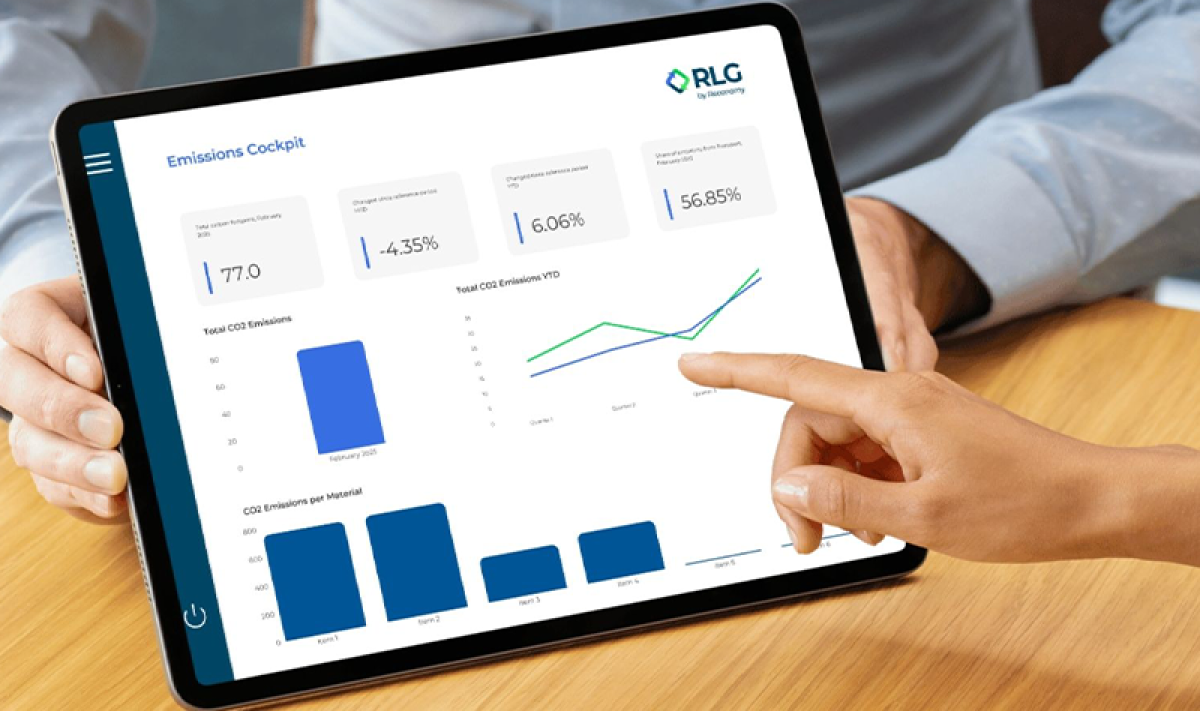
Business professional presenting sustainability and emissions data using a digital tablet during a meeting.
Scope 3 emissions consulting
Scope 3 emissions are often the largest and most complex part of your footprint. We help you identify the relevant categories, collect and check supplier data, and calculate emissions across your value chain. Then we help you build a repeatable process, so reporting gets easier each year.
Measurement is only the start. We find practical reductions across procurement, logistics, product design and end of life. Scope 3 is also one of the more demanding areas of UK SRS S2, the climate standard, so getting it right early puts you ahead.
Circular lifecycle assessment diagram showing resource extraction, production, use, recycling, and end-of-life stages.
Lifecycle assessment consulting
A lifecycle assessment (LCA) shows the full environmental impact of a product, service or operation. We assess every stage, from raw materials and production to distribution, use and disposal. This shows you where the biggest impacts sit and where improvements will count most.
Our LCAs follow recognised ISO standards. They support better product design, more efficient use of resources and sustainability claims you can stand behind. They can also help you prepare for new product rules, such as the Ecodesign for Sustainable Products Regulation (ESPR) and Digital Product Passports.
Two business professionals discussing sustainability and environmental product declaration data at a workstation.
Environmental product declarations (EPDs) consulting
An EPD shows the environmental impact of a product in a clear, standard format. Buyers use them to compare products, and they’re increasingly expected in sectors such as construction.
We help you develop verified EPDs, from data collection and LCA alignment to documentation that meets the relevant ISO standards. The result builds trust with customers and helps your products stand out in competitive tenders.
Sustainability consultant working on a laptop in a modern office environment.
Net zero strategy consulting
Setting a net zero target is only the beginning. Reaching it needs a clear, realistic plan. We help you set science-aligned targets, agree timelines and build a roadmap that shows how your emissions will fall over time.
Your strategy stays grounded in day-to-day operations. We also support governance, disclosure and progress tracking, including alignment with UK SRS where you choose, or are required, to report against it.
Two colleagues collaborating at a computer workstation in a modern office environment.
Decarbonisation consulting
Decarbonisation is where strategy becomes action. We help you identify and prioritise emissions reduction projects across your operations and supply chain. We focus on changes that deliver both environmental and commercial value, such as energy efficiency, renewable energy, smarter logistics, material changes and process improvements.
We track progress as you go, in a format that’s ready for disclosure when you need it.
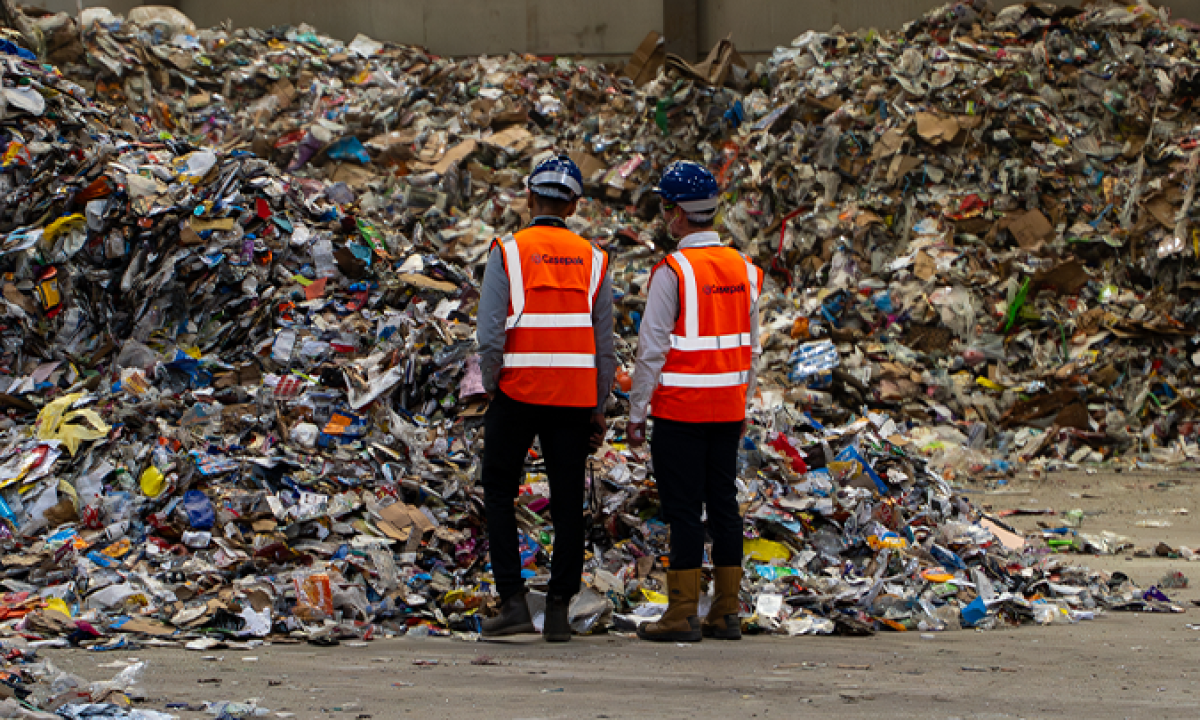
Carbon accounting and reporting
Carbon accounting is how you measure, record and report your greenhouse gas emissions. Get it right, and every other sustainability decision gets easier. Get it wrong, and targets, tenders and disclosures all rest on shaky ground.
Our carbon accounting and reporting service covers:
-
Emissions inventories: Scope 1, 2 and 3 inventories built to the GHG Protocol Corporate Standard and ISO 14064-1.
-
Scope 2 reporting: both location-based and market-based figures, so your renewable electricity purchases are reflected correctly.
-
Emission factors: the right factors for each activity, including the UK government’s annual greenhouse gas conversion factors.
-
Base years: a clear base year and recalculation policy, so year-on-year comparisons stay fair as your business changes.
-
Data quality: checks, estimates and an audit trail that’s ready for third-party verification.
-
Reporting outputs: figures ready for SECR, Carbon Reduction Plans, UK SRS, CSRD and customer requests.
Carbon reporting isn’t a one-off exercise. We set up a repeatable process, with clear data owners and a reporting calendar, so each year takes less effort than the last. Our carbon management and data solutions teams can then help you keep your carbon accounts up to date all year round.
Streamlined Energy and Carbon Reporting (SECR)
SECR requires quoted companies and large unquoted companies and LLPs to report their energy use and emissions in their annual reports. We help you collect the data, calculate your emissions and present them clearly, alongside an intensity ratio and a summary of the energy efficiency action you’ve taken. Find out more about SECR reporting.
Discuss carbon accounting and reporting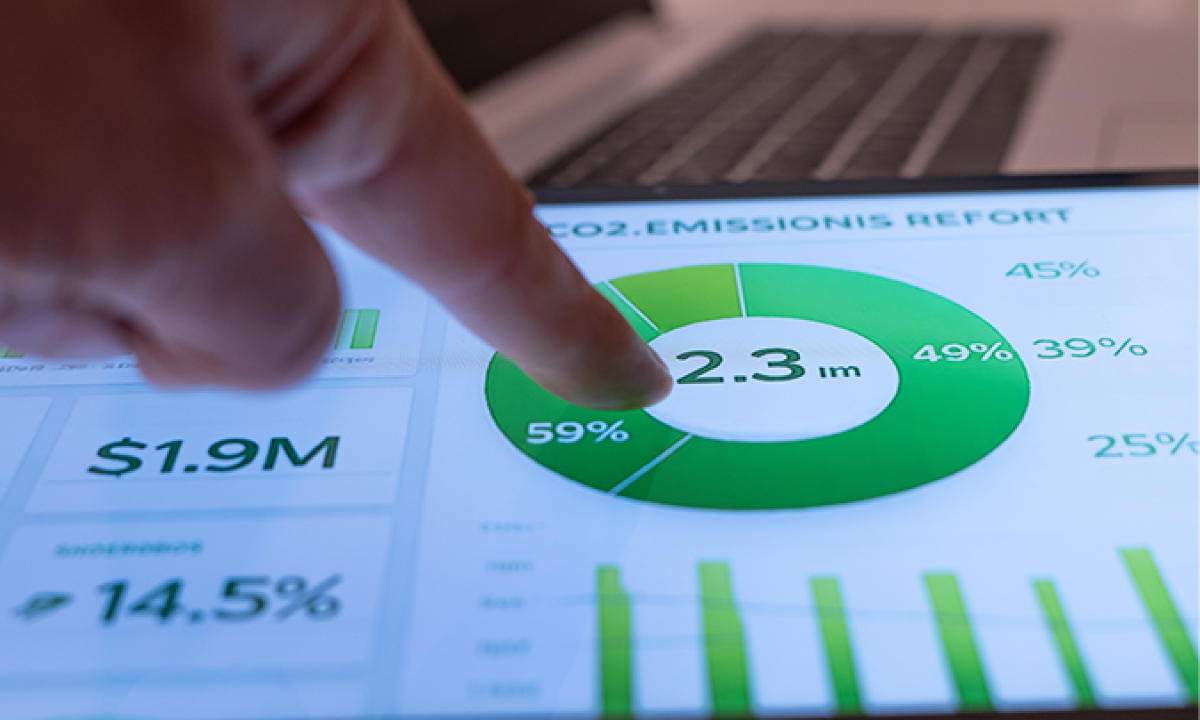
Supply chain decarbonisation
For most organisations, the largest share of emissions sits in the supply chain, not in their own operations. Supply chain decarbonisation tackles those emissions at source, by working with the suppliers who create them.
We help you:
-
Find the hotspots: map emissions across suppliers, products and transport routes, so you know where to focus.
-
Engage your suppliers: set clear expectations, request the right data and support suppliers to set their own targets.
-
Buy better: add carbon and wider ESG criteria to supplier assessments that go beyond a tick-box questionnaire.
-
Cut transport emissions: review routes, modes and load efficiency with our supply chain consultancy specialists.
-
Design out waste: use reuse, take-back schemes and recycled materials to reduce embodied carbon.
Supply chain work also covers social risk, such as modern slavery reporting. We structure your supplier data to support UK SRS and CSRD reporting as those obligations arrive. Read more about our approach to supply chain sustainability.
Discuss supply chain decarbonisation
Energy efficiency improvement
Energy is often the quickest win in a carbon reduction plan. Using less of it cuts your emissions and your costs at the same time.
Energy efficiency improvement starts with knowing where your energy goes. We review your bills, half-hourly meter data and site operations to build a clear picture of consumption across buildings, processes and transport.
Our energy efficiency work typically includes:
-
Energy audits: site surveys that show where consumption is highest and least efficient.
-
A prioritised plan: energy efficiency projects ranked by cost, payback period and carbon saving.
-
Practical measures: LED lighting, heating and cooling controls, compressed air leak repairs, heat recovery and variable speed drives.
-
Metering and monitoring: sub-metering and dashboards, so you can spot waste early and prove savings are real.
-
Renewable energy: guidance on on-site generation and power purchase agreements once demand has been reduced.
-
Energy management systems: support to align with ISO 50001, so improvement becomes part of how you operate.
We measure the results of each project against a clear baseline. That gives you evidence for your SECR report, your Carbon Reduction Plan and your next round of investment. Explore our energy management services.
Energy Savings Opportunity Scheme (ESOS)
ESOS is the UK’s mandatory energy assessment scheme for large undertakings. Broadly, that means 250 or more employees, or turnover above £44 million and a balance sheet above £38 million. The Phase 4 compliance date is 5 December 2027. Participants must audit their energy use and, under current plans, report progress against their action plans. Read more about our ESOS support.
Discuss energy efficiency improvementClimate risk, governance and reporting alignment
Sustainability reporting has moved from one voluntary framework to a crowded landscape. Getting governance, risk and disclosure right across all of them is a real challenge for in-house teams.
Governance
Credible reporting starts with governance, not a spreadsheet. We help you set clear board and management oversight of sustainability risks and opportunities. We define who owns which data and decisions, and build the accountability most frameworks now expect you to disclose.

Climate risk assessment and resilience planning
Climate risk is now a mainstream business issue. Investors, regulators and customers expect you to understand how a changing climate could affect your operations, supply chains and assets.
We assess physical risks, such as flooding, heat and supply disruption. We also assess transition risks, such as policy change, carbon pricing and shifting demand. Our scenario analysis follows recognised frameworks, so you can see how resilient you are under different futures, not just a single forecast.
You get a practical risk register and adaptation plan. It shows where resilience investment matters most and builds the evidence UK SRS S2 expects to see behind a climate disclosure.
Before you can report on sustainability risk, you need a structured way to find it. We map your material sustainability risks and opportunities across your operations and value chain. This covers climate risk and the wider ESG risks that can affect cash flow, access to finance or cost of capital.

Reporting alignment
Once governance and risk identification are in place, we align your reporting to the frameworks that apply to you:
-
TCFD (Task Force on Climate-related Financial Disclosures): the governance, strategy, risk management, and metrics and targets structure behind most climate reporting.
-
ISSB and UK SRS: the ISSB’s global IFRS S1 and S2 standards, and the UK’s endorsed version, UK SRS S1 and S2.
-
CSRD: the EU’s double-materiality reporting regime, which affects many UK businesses with EU operations or supply chains.
-
ISO 14064: the standard for quantifying and reporting greenhouse gas emissions, which underpins credible carbon data across most other frameworks.
Our aim is simple. Collect your data once, then reuse it across every framework that applies. If you’re not sure which ones apply to you, our ESG reporting team can give you a plain-English view.
UK sustainability compliance
UK sustainability rules are growing, and they don’t always line up neatly. We help you understand which ones apply to your business. Then we help you build one set of data that serves them all.
Alongside SECR, ESOS and PPN 006, which we cover above, the main rules to watch are UK SRS, UK CBAM and, for businesses with EU operations, CSRD.
UK Sustainability Reporting Standards (UK SRS)
The UK government published the final UK SRS on 25 February 2026. They are the UK’s endorsed version of the ISSB’s global IFRS S1 and S2 standards. UK SRS S1 covers general sustainability-related financial disclosures. UK SRS S2 covers climate-related disclosures.
Both standards are voluntary today. The Financial Conduct Authority (FCA) has proposed that listed companies report against UK SRS from 1 January 2027, with climate disclosures required and wider disclosures initially on a comply-or-explain basis.
See if SRS impacts your businessUK CBAM and CSRD
From 1 January 2027, the UK Carbon Border Adjustment Mechanism (UK CBAM) will put a carbon price on certain imported goods, including aluminium, cement, iron and steel.
UK businesses with EU operations may also fall within the scope of the EU’s Corporate Sustainability Reporting Directive. Our ESG reporting team can explain what it requires.
Learn how CBAM impacts you
What is sustainability consulting?
Sustainability consulting is a professional service that helps organisations measure, manage and reduce their environmental impact. It also helps them improve efficiency and meet regulatory, investor and customer expectations.
It typically includes:
-
Carbon accounting and reporting across Scope 1, 2 and 3
-
Energy efficiency improvement, from energy audits to renewable energy
-
Supply chain decarbonisation and decarbonisation strategies
-
Lifecycle assessments and product impact analysis
-
Net zero target setting and delivery planning
-
Waste, water and resource management
-
Climate risk assessment and resilience planning
-
Procurement carbon requirements, including Carbon Reduction Plans for PPN 006
-
UK sustainability compliance, including UK SRS, SECR and ESOS
-
Reporting support for CSRD, TCFD and ISSB
Done well, sustainability consulting turns environmental responsibility into measurable business value. It’s also a natural first step towards the circular economy, which our circular economy services can help you take further.
Speak to a consultantReducing Scope 3 emissions
We help businesses measure, manage and reduce Scope 3 emissions across complex supply chains. By mapping emissions data and finding the hotspots, we show you where action will count most. The result is better visibility, stronger reporting and measurable progress towards net zero.
Building a net zero strategy
We help businesses build clear, achievable net zero strategies that fit their operations and long-term goals. We combine emissions data, regulatory insight and sector expertise to create roadmaps with clear priorities and targets. That includes where energy efficiency projects and renewable energy can have the fastest impact, and how rules such as CBAM affect your plans.
Improving product impact through lifecycle assessment
We help businesses reduce the environmental impact of their products. By analysing product lifecycles and supply chain data, we support better design and sourcing decisions. The result is more sustainable products, stronger reporting and readiness for new regulation.

Download our 2025 Sustainability Report
Ready to see real impact in action? Download our 2025 Sustainability Report to discover how Reconomy is accelerating the transition to a circular, net-zero future, one ambitious milestone at a time. Dive into the details, explore our progress, and be inspired to join us on the journey toward lasting change.
Sustainability consulting for your industry
We support organisations across many sectors, including:
- Manufacturing: improving efficiency and cutting production emissions
- Retail and eCommerce: tackling supply chain and Scope 3 emissions
- Consumer goods: improving product sustainability and lifecycle performance
- Logistics and supply chain: optimising transport and distribution emissions
- Construction: reducing embodied carbon in materials and capital projects, alongside our construction waste management services
Sustainability consulting FAQs
A sustainability consultant helps organisations measure their environmental impact, find opportunities to improve and put strategies in place to cut emissions and improve efficiency.
Most projects take between 8 and 16 weeks. The timeline depends on how much data is available, how complex your organisation is and the scope of your operations.
Carbon footprinting measures your total emissions across Scope 1, 2 and 3. Scope 3 focuses on the indirect emissions across your value chain, which are often the largest share.
Supply chain decarbonisation means reducing the emissions created by your suppliers, logistics and purchased goods. It usually involves mapping supplier emissions, engaging suppliers on targets and data, and building carbon criteria into how you buy.
Carbon accounting and reporting is the process of measuring your greenhouse gas emissions across Scope 1, 2 and 3 and sharing them in a consistent format. Most organisations follow the GHG Protocol and use recognised emission factors, such as the UK government’s conversion factors. The results feed into SECR, Carbon Reduction Plans and frameworks such as UK SRS and CSRD.
Under PPN 006, suppliers bidding for central government contracts worth more than £5 million a year must provide a Carbon Reduction Plan. The plan must commit to net zero by 2050, report Scope 1, Scope 2 and five Scope 3 categories, be signed off by a director and be published on the supplier’s UK website. Other public bodies can choose to ask for one too.
Consultants usually start with an energy audit and a review of meter data to find where consumption is highest and least efficient. They then prioritise energy efficiency projects, such as lighting, heating and cooling controls, compressed air and heat recovery, ranked by payback period and carbon impact. Results are measured against a baseline, so you can prove the savings.
They are the two standards that make up the UK Sustainability Reporting Standards, published by the UK government in February 2026. UK SRS S1 covers general sustainability-related financial disclosures. UK SRS S2 covers climate-related disclosures. Both are the UK’s endorsed version of the ISSB’s IFRS S1 and S2 standards. They are voluntary today, and the FCA has proposed requiring listed companies to use them from 1 January 2027.
Most work across CSRD, TCFD and the ISSB’s IFRS S1 and S2 standards, including the UK’s version, UK SRS. A good consultant aligns your data collection so one set of data meets several frameworks, without duplicating the work.
They look at physical risks, such as flooding, extreme heat and supply disruption, and transition risks, such as policy change and carbon pricing. Scenario analysis tests these against your operations, assets and supply chain. The result is a practical risk register and adaptation plan.
Carbon accounting measures and records your greenhouse gas emissions. Net zero planning uses that data to set science-aligned targets and a roadmap to reduce emissions. Accurate carbon accounting is what makes a net zero plan credible.
Get in touch with us