
Balfour Beatty – The Krizevac Project
Read More about Balfour Beatty – The Krizevac ProjectDigital Waste Tracking: UK Rules and Timeline Explained
Digital waste tracking is the UK government’s move to replace paper waste transfer notes and hazardous waste consignment notes with a single digital system for recording waste movements. Introduced under Section 58 of the Environment Act 2021, it becomes mandatory for permitted waste receiving sites in England and Wales from October 2026, and in Scotland and Northern Ireland from January 2027, with waste carriers, brokers and dealers following from October 2027.
Waste record-keeping in the UK has run on paper for over three decades. Waste transfer notes and hazardous waste consignment notes are still filled in, filed, and, too often, lost, falsified or never fully reconciled. That gap is exactly what waste criminals exploit, and with recent figures indicating that waste crime costs the UK economy as much as £2 billion a year (LetsRecycle, 2026).
Digital waste tracking is the government’s answer: a single, UK-wide digital system that records what waste is produced, where it moves, and who handles it, in something close to real time. It sits alongside other recent reforms, including Simpler Recycling and Extended Producer Responsibility, and updated carrier, broker and dealer rules that raise the competency bar for anyone handling waste. Together, these sit under the Waste Crime Action Plan, a broader tightening of how waste is managed and reported in England, Wales, Scotland and Northern Ireland, with digital waste tracking acting as just one strand of that wider push rather than a measure standing on its own.
This page sets out what digital waste tracking requires, the confirmed timeline, who needs to act first, and how to get ready.
What is digital waste tracking?
Digital waste tracking, sometimes shortened to DWT or referred to as the Digital Waste Tracking Service (DWTS), is a government-run digital system for recording controlled waste movements. It’s built and delivered by Defra with the Environment Agency (EA), Scottish Environment Protection Agency (SEPA), Natural Resources Wales (NRW), and Northern Ireland Environment Agency (NIEA) acting as the four-nation environmental regulators responsible for ongoing compliance to the legislation. Rather than a paper waste transfer note changing hands at each point in the chain, waste movements are logged directly into the digital service, giving regulators near real-time visibility into what waste exists, where it’s going, and whether it arrives. The legal basis for the service is Section 58 of the Environment Act 2021.
Why digital waste tracking is being introduced
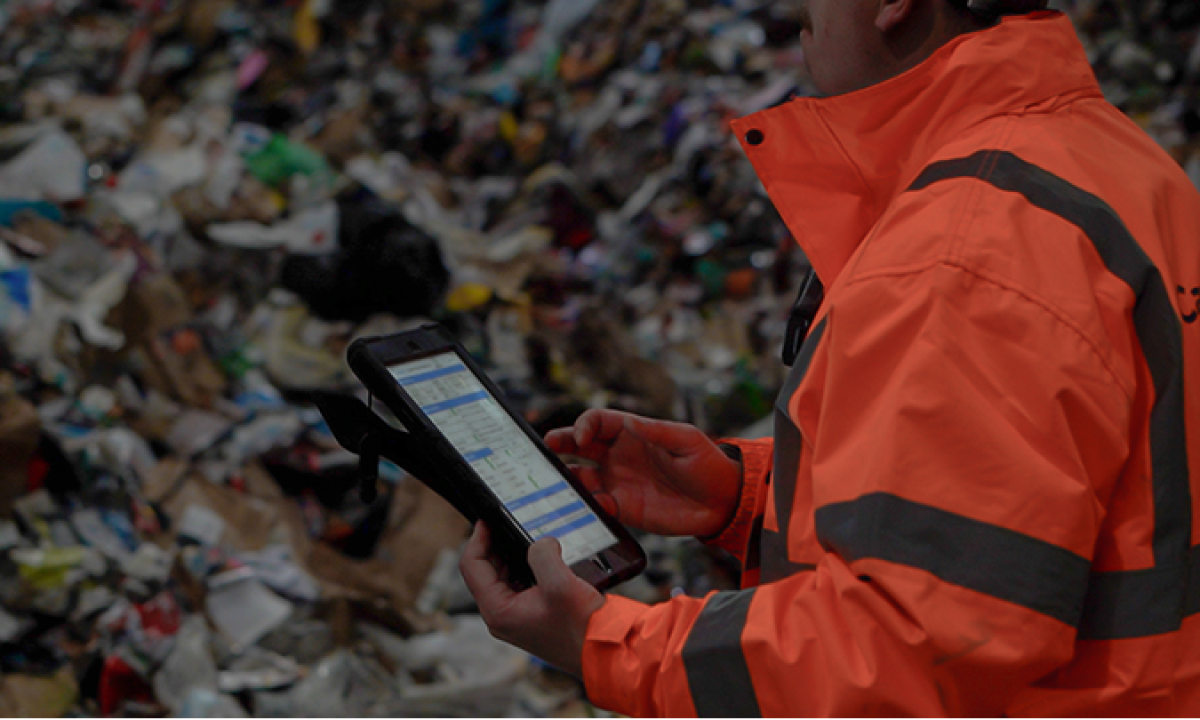
The core driver is waste crime. To reduce activity such as illegal dumping, fly-tipping, waste misclassification and unauthorised disposal, all made easier by the current paper system that’s simple to falsify or lose.
Beyond enforcement, the government also frames digital waste tracking as infrastructure for the circular economy. Reliable, real-time data on what waste is generated and where it ends up makes it far easier to identify where materials could be recovered, reused or recycled instead of landfilled.
Reconomy has engaged directly with this agenda. Reconomy has provided feedback to support the development of the digital waste tracking system, working alongside industry bodies and the four devolved UK nations as the service has taken shape.
Speak to our expertsThe digital waste tracking timeline
The rollout has already shifted once, and it’s worth having the confirmed dates in one place.
| Milestone | Date | Status | Details |
|---|---|---|---|
| Scenario testing | Spring 2026 | Testing | Operators, including Reconomy, have been invited to scenario testing to support the design and data capture requirements of Phase 2 of the legislation. |
| Public beta | From 28 April 2026 | Voluntary | All permitted and licensed waste receiving sites can start using the digital waste tracking service voluntarily to record waste as it arrives on site. |
| Private beta | Autumn 2026 | Testing | As the UK’s leading waste broker, Reconomy will support Defra by using the system and feeding back on functionality, user experience, and system integration via API. |
| Phase 1 | Mandatory from October 2026 | Mandatory (England) |
Operators of sites that hold a permit or licence to receive waste, including transfer stations, materials recovery facilities and recycling sites, must register and record every load digitally. This applies in England from October 2026, and in Scotland and Northern Ireland from January 2027. |
| Private beta | Spring 2027 | Testing | With approximately 300,000 licensed carriers, brokers and dealers in the UK, this public testing phase is arguably the most important step in the timeline. |
| Phase 2 | Mandatory from October 2027 | Mandatory | Waste carriers, brokers and dealers come into scope, extending digital recording to the transport leg of each waste movement, not just the point of receipt. |
Note: The original plan targeted April 2025 for full implementation. Following industry feedback about the scale of the transition, the four UK administrations jointly confirmed a delay to give the system more time for testing and to give businesses a realistic runway to prepare.
Download our 10-point framework
Reconomy’s 10-Point Framework to enable the Circular Economy
To support systemic change, Reconomy has developed a 10-point regulatory framework. These principles are designed to simplify waste systems, drive investment, and scale up sustainable practices.
Who is affected and when
Digital waste tracking eventually touches most of the waste chain, but the obligations land at different points for different organisations.
Waste receiving sites
If you hold a permit or licence to receive waste, you're in Phase 1. You need to be registered and recording digitally from October 2026 or January 2027 (depending on which of the four nations you’re located within).
Request more guidanceWaste carriers, brokers and dealers
You come into scope in Phase 2, from October 2027, when the movement and transport of waste also needs to be recorded digitally rather than tracked through paper transfer notes alone.
Request waste carrier guidanceWaste producers
If you generate waste but don't hold a permit, you won't need to register directly. Your duty of care still applies: check your carrier and receiving sites are registered and compliant, and that the digital record stays complete.
Request waste producer guidance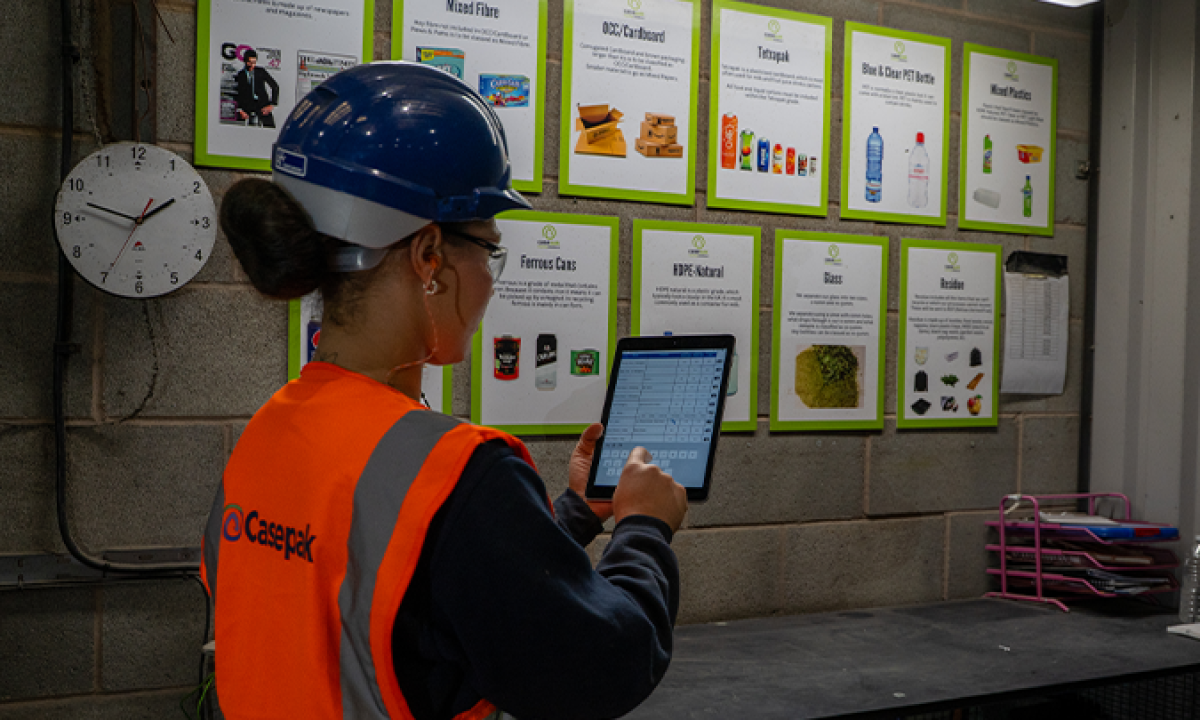
What digital waste tracking replaces
The digital waste tracking service is designed to replace the paperwork that’s underpinned UK waste compliance for decades:
- Waste transfer notes, used to record the movement of non-hazardous waste between parties.
- Hazardous waste consignment notes, used for the movement of hazardous waste and require more detailed record-keeping under current rules.
It’s worth being clear that this isn’t a day-one switch-off of paper. Carriers, brokers, dealers and receivers will need to keep reporting through existing systems until government and regulators are confident the digital service can fully take over. In practice, that means a transition period, with some added short-term burden of running both systems side by side, but one aimed at a simpler, fully digital service in the long run.
Green List waste shipped internationally under Annex VII documentation, for example non-hazardous waste exported for recycling, sits outside the domestic digital waste tracking service, since it’s governed by separate international shipment rules.
Learn what will changeTechnologies enabling waste and asset traceability
Digital waste tracking service is one part of a much wider shift towards item-level digital traceability across waste and asset management.
Digital technologies enhancing e-waste recycling efficiency
QR codes, RFID tags, GPS and IoT sensors each play a role in tracking waste and assets through the recycling chain:
- QR codes and RFID tags give items or batches their own digital record at collection, rather than relying on paperwork.
- GPS tracking confirms where a load or vehicle actually is in transit.
- IoT sensors on bins or equipment report fill levels, weight and condition in real time.
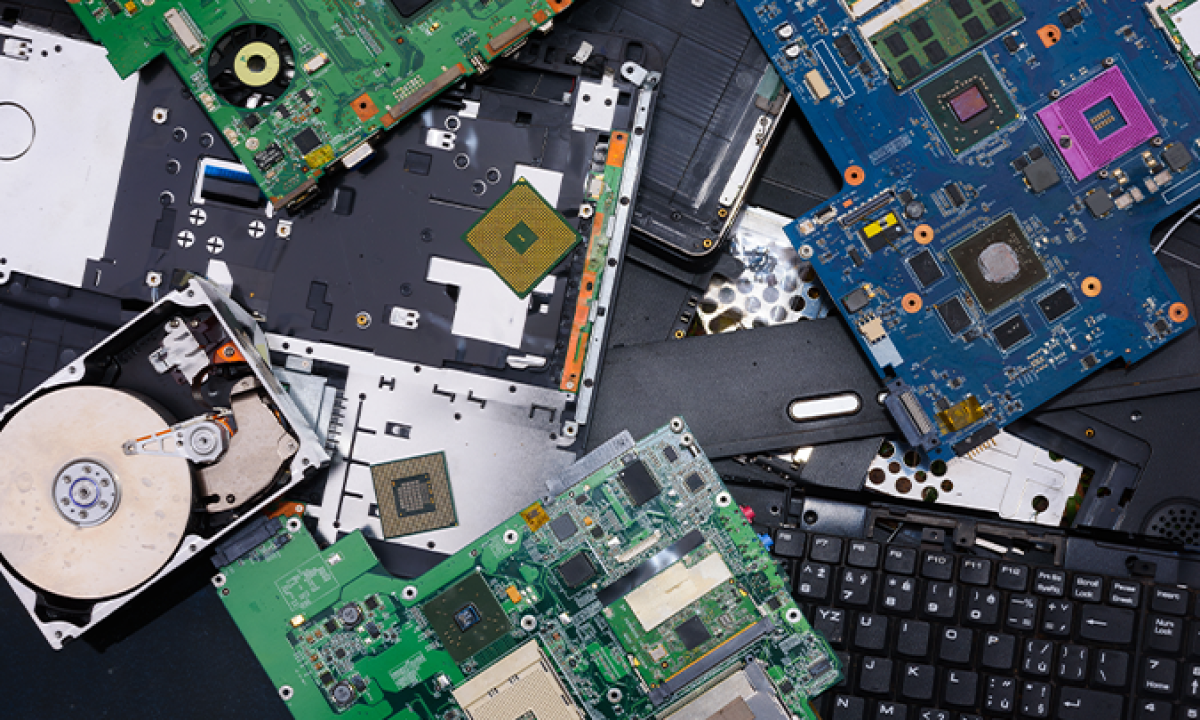
This matters most for e-waste and IT asset disposition (ITAD), where retired equipment can hold both sensitive data and recoverable metals. Item-level tracking gives a far more defensible audit trail than tracking by weight alone. Reconomy’s WEEE waste recycling service handles this category of waste directly.

Using tracking data to sort hazardous and valuable materials
Item-level digital tagging lets material be correctly identified and routed before it gets mixed. This is particularly relevant for e-waste, which typically contains hazardous elements (batteries, certain plastics, leaded components) and genuinely valuable, recoverable material (precious and base metals) within the same load.
Accurate data captured at intake lets a processor route the hazardous fraction down a properly licensed hazardous waste pathway, covered by Reconomy’s hazardous waste management services, while directing recoverable material into higher-value recycling routes instead of everything being blended into general processing. Better sorting data at the front end means less value lost and less risk carried further down the chain.
Analytics dashboards for recycling performance and compliance
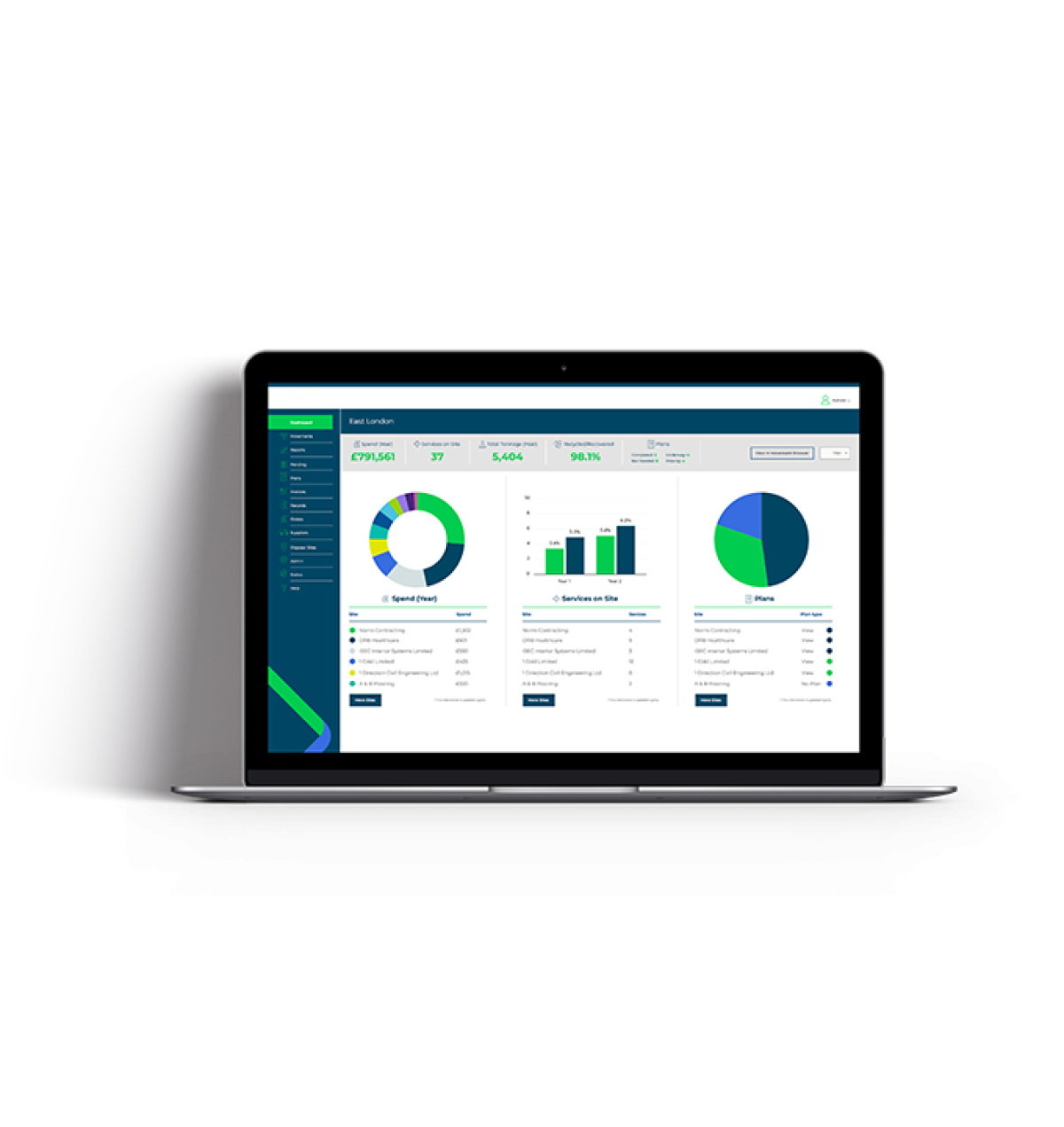
Once waste and asset movements are captured digitally, that data stops being just a compliance record and starts being genuinely useful. Dashboards built on the same underlying data can show recycling rates, landfill diversion, contamination levels and progress against sustainability targets in something close to real time, rather than being reconstructed from paperwork after the fact.
Reconomy Connect’s services are built on this principle, giving customers a live view of performance rather than a retrospective report.
IT Asset Disposition (ITAD) and secure e-waste tracking
IT Asset Disposition, usually shortened to ITAD, is the structured process of retiring, tracking and securely disposing of IT hardware, laptops, servers, mobile devices and networking equipment, once it reaches end of life or is replaced.
It’s one of the clearest examples of why item-level digital tracking matters, because every retired asset combines two risks at once: the data it might still hold, and the material value it still carries.
Request help with ITADHow to prepare your business
Whichever part of the waste chain you sit in, the practical preparation looks similar:
1) Confirm which phase applies to you.
Work out whether you're a receiving site (Phase 1, October 2026/January 2027), a carrier, broker or dealer (Phase 2, October 2027), or a waste producer relying on your supply chain to be compliant.
2) Check your suppliers and carriers.
Ask directly whether your waste carrier is registered, and whether the sites they use are preparing for Phase 1. A carrier without a clear answer is a compliance risk worth addressing before the deadline, not after.
3) Review your internal systems.
If you currently rely on manual, paper-based record-keeping, look at how that data will need to flow into a digital system, and where your existing waste management technology can already help.
4) Keep your own records regardless.
Digital waste tracking centralises data with the regulator, but you should still retain your own copies of every record for audit purposes.

How Reconomy’s specialist brands can help
Getting ready for digital waste tracking is easier when your systems are already built for data, not paper.
Reconomy Connect, a Reconomy specialist brand, provides account-based waste management with technology built for compliance: its ePOD system captures waste movement data digitally at collection, and its Zero Waste Index gives a live view of what’s collected, recycled and diverted from landfill.
For businesses managing wider obligations alongside digital waste tracking, such as packaging or textiles EPR, Reconomy’s data management services and Extended Producer Responsibility support from Valpak, another Reconomy specialist brand, help keep reporting joined up.
If you’re not sure how ready your business is, a review of your current waste data is the sensible place to start.
Speak to our teamFrequently asked questions
Digital waste tracking is a UK government system for recording controlled waste movements electronically, replacing paper waste transfer notes and hazardous waste consignment notes. It’s delivered by Defra with the Environment Agency and the devolved regulators, under the legal basis of Section 58 of the Environment Act 2021.
Digital waste tracking becomes mandatory for permitted waste receiving sites from October 2026 in England and Wales, and from January 2027 in Northern Ireland and Scotland. Waste carriers, brokers and dealers follow in a second phase from October 2027.
Operators of sites that hold a permit or licence to receive waste, such as transfer stations, materials recovery facilities and recycling sites, are first in scope. They need to register and record waste digitally from October 2026 (January 2027 in Scotland and Northern Ireland), ahead of waste carriers and brokers, who follow from October 2027.
A proper ITAD process covers four stages: identifying and inventorying assets due for retirement, securely decommissioning and collecting them, wiping or destroying any data they hold, and directing each asset towards resale, refurbishment, recycling or secure destruction. Digital tracking, using barcodes, RFID tags or asset registers, runs through every stage, so each asset is accounted for from flagging through to final disposition.
Because security is the point of the exercise. A secure ITAD process needs a documented, auditable record of which asset was collected, when, by whom, and what happened to it at each stage, through to certified data destruction or a verifiable wipe. Without that record, a business can prove an asset was handed over, but not that it was handled securely.
No. A well-run process assesses each item’s condition and routes it accordingly: working equipment towards resale or redeployment, damaged but recoverable devices towards refurbishment, and only genuinely end-of-life assets towards recycling. This recovers more value and keeps usable equipment in circulation for longer.
Look for recognised third-party certifications such as NAID AAA for secure data destruction, and R2 or e-Stewards for responsible electronics recycling. Self-reported claims aren’t enough, since ITAD sits at the intersection of data security and environmental compliance. Reconomy’s WEEE waste recycling service covers the recycling end of this chain.
Under the EU’s Battery Regulation (Regulation (EU) 2023/1542), electric vehicle batteries, light means of transport batteries and industrial batteries over 2kWh placed on the EU market must carry a unique Digital Battery Passport from 18 February 2027. It’s accessed via a QR code and covers identification, chemistry, carbon footprint, recycled content and performance data. This is EU legislation, separate from UK digital waste tracking, but relevant to any business operating across both markets.
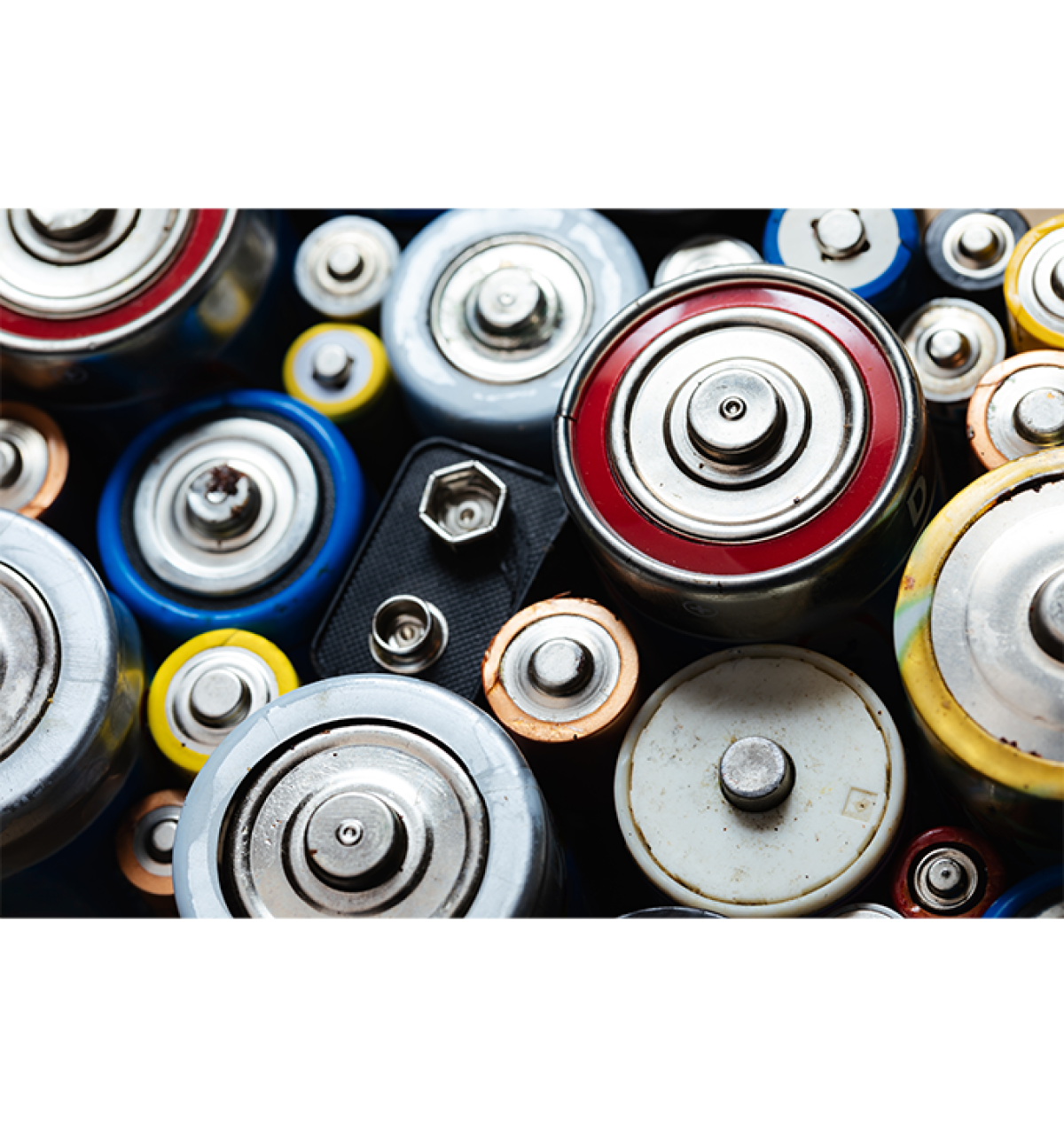
A battery’s chemistry and condition determine how it should be handled at end of life, and getting this wrong carries real risk, including fire hazards from damaged lithium batteries in waste streams. Reliable data on a battery’s type, age and condition helps recyclers route each battery correctly, whether towards recycling, refurbishment or second-life use such as stationary energy storage.
If your business places batteries on the EU market, map which battery types and models you’re responsible for, identify where the required data currently sits, and build the systems needed to keep that record accurate and accessible as the battery moves through its life.
Not directly, in the first phases. Waste producers don’t register on the system themselves unless they also hold a waste permit. However, producers retain full duty of care responsibility, so it’s worth checking that your carrier and the receiving sites you use are properly registered and prepared.
Download our 2025 Sustainability Report
This report shares our latest progress towards sustainability targets and our updated sustainability strategy, Action: 2030.
Speak to our Digital Waste Tracking experts