
WEEE Waste Recycling and Disposal Services
For businesses of all sizes
The Waste Electrical and Electronic Equipment (WEEE) legislation affects every industry and businesses of all sizes. and includes monitors, TVs, printers, computers, laptops, kettles, and much more.
Get in touchCommercial WEEE Waste recycling and disposal services
Items of this waste type include monitors, TVs, printers, computers, laptops, kettles, and much more. These items require specialist attention when it comes to waste collection and disposal, which is where Reconomy can help service your business whilst meeting all necessary legislation. With the regulations for, this waste stream becoming law in the UK on the 1st of January 2014, it’s now more important than ever for your business to handle excess electrical recycling collections correctly and reduce damage to the environment.
What counts as WEEE (EEE) for your business?
WEEE waste typically includes most end-of-life EEE used in your business—any electrical electronic equipment that relies on a plug, cable, or batteries. Alongside IT equipment such as computers and printers, this can also include electrical items like lighting, small appliances, and larger appliances such as fridges. Keeping electronic waste and electrical waste separate from general waste supports proper recycling, helps protect the environment, and reduces the risk of hazardous components entering landfill.
Speak to our expertsUnderstanding the WEEE Directive and your compliance duties
The WEEE Directive sets out how Electronic Equipment WEEE should be collected, treated, and recycled, and it underpins UK WEEE regulations and similar frameworks in other regions. Your compliance duties can vary depending on whether you act as the producer of EEE placed on the market, and how you manage returned or surplus items from customers. A responsible approach typically includes separating WEEE waste, using authorised recycling service partners, and keeping records to demonstrate proper waste management.
Get assistanceWEEE collection options: retailer take-back and approved schemes
There may be more than one option available for WEEE collection, depending on the type and volume of items you need to remove. In some cases, retailers can offer take-back when you purchase new replacement products, while approved collection schemes can arrange collection from your sites and help keep documentation consistent. Using formal WEEE recycling routes supports safe handling, clear tracking, and compliance with Waste Electrical Electronic requirements for storage, transport, and treatment.
Discuss WEEE take-backPreparing equipment for recycling: data, batteries, and storage
Before WEEE recycling, store items safely by keeping WEEE waste dry and secure to protect staff and prevent damage to valuable materials. Where appropriate, remove or isolate batteries (where safe to do so) and take additional care with any equipment that may contain hazardous substances. For devices that may store personal or business information, data wiping or secure destruction should be completed before collection so you can ensure confidentiality while your electrical electronic waste is processed for recycling.
Speak to our recycling expertsHow do you dispose of WEEE products?
Visit our blog piece and explore how your business can reduce the volume of WEEE waste produced and correctly dispose of in your services.
FAQs: WEEE Waste
It stands for Waste Electrical and Electronic Equipment. It refers to any discarded electrical or electronic devices, including household appliances, IT equipment, televisions, mobile phones, and more.
The following items would be classed as WEEE waste but please reach out to confirm with our expert team before requesting a quote:
- Large household appliances
- Small household appliances
- IT and telecommunications equipment
- Consumer equipment
- Lighting equipment
- Electrical and electronic tools
- Toys, leisure, and sports equipment
- Medical devices
- Monitoring and controlling equipment
- Automatic dispensers
The waste contains valuable materials that can be recycled and reused, such as metals, plastics, and glass. Recycling the waste through your organised waste collections helps conserve natural resources, reduce landfill waste, prevent pollution in the environment, and minimise the potential health hazards associated with improper disposal
WEEE waste is typically identified by the symbol of a crossed-out wheelie bin displayed on the product or its packaging. This symbol indicates that the item should not be disposed of with regular household waste but should be recycled separately.
The waste can be recycled at designated collection points or recycling centres. Many countries have established collection systems and recycling facilities specifically for this waste. Local recycling centres, waste management companies, or government websites can provide information on nearby collection points.
When the waste is collected for recycling, it undergoes a series of processes. These include sorting, disassembly, and shredding to separate the different materials. Metals, plastics, glass, and other components are then processed and recycled into new products or raw materials.
Yes, there are regulations in place to govern the recycling of the waste. These regulations vary by country or region. They often include requirements for collection, treatment, recycling targets, and the responsible disposal of hazardous substances found in this waste.
Donating or selling old electronic devices that are still functional is an excellent option. It extends the product’s lifespan and reduces waste. However, if the device is no longer functional or beyond repair, it should be properly recycled to recover valuable materials and prevent environmental harm.
Before recycling electrical items and electronic devices, it’s crucial to remove any personal or sensitive data stored on them. Delete files, perform a factory reset, or use data-wiping software to ensure your information is not accessible to others. Reconomy can also provide data destruction services for added security.
Yes, businesses can and should recycle this waste stream. Reconomy offers weee recycling services specifically tailored to businesses, including collection, secure data destruction, and environmentally responsible recycling of this waste. Businesses need to comply with local weee regulations and promote sustainable practices in their operations. If you would like further guidance, please do not hesitate to reach out.
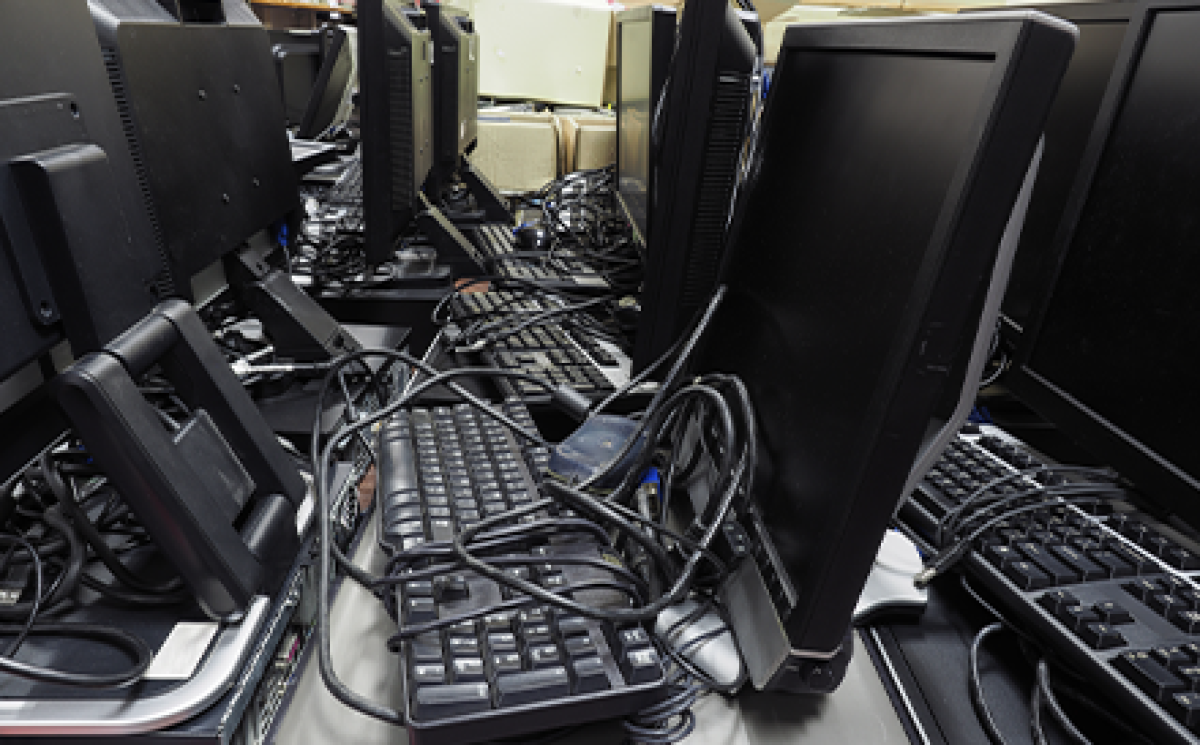
Why proper WEEE waste disposal and recycling matters
Correct WEEE waste disposal helps improve waste recycling by supporting better sorting and recovery of metals, plastics, and glass from electronic waste and electrical waste. It also reduces environmental harm by keeping hazardous materials out of general waste streams and away from landfill. For companies, effective WEEE management supports sustainability goals, protects reputation, and helps demonstrate that unwanted electrical items are handled responsibly from collection through to final recycling.
Get in touch