

ASOS
Read More about ASOSDemonstrating our circular progress
At Reconomy, sustainability is embedded into how we operate, innovate, and support our customers.
Through our Action: 2030 strategy, we are accelerating the transition towards more circular economy principles by reducing waste, cutting carbon, empowering people, and building responsible supply chains.
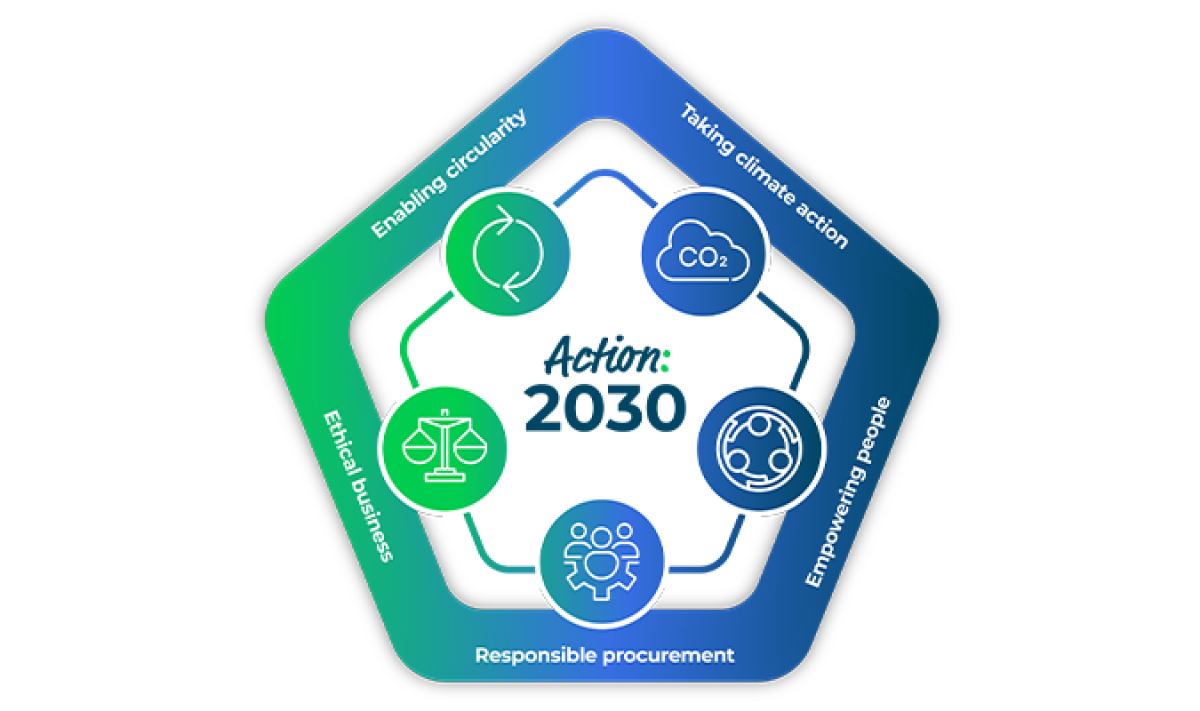
Our sustainability strategy
Our approach is centred around purpose, thoughtful planning, and long-term vision.
Contributing to the UN Sustainable Development Goals
Reconomy’s sustainability strategy is aligned with the UN SDGs, framing our stakeholder priorities within the context of the biggest challenges and opportunities the world faces today.
Our Close The Gap campaign
The circularity gap represents the distance between today’s linear economy and the waste-free system we could achieve.
Through our CloseTheGap campaign, we are working to make circularity more accessible and to show that it’s an opportunity for businesses, not a cost.
Shining a light on circularity
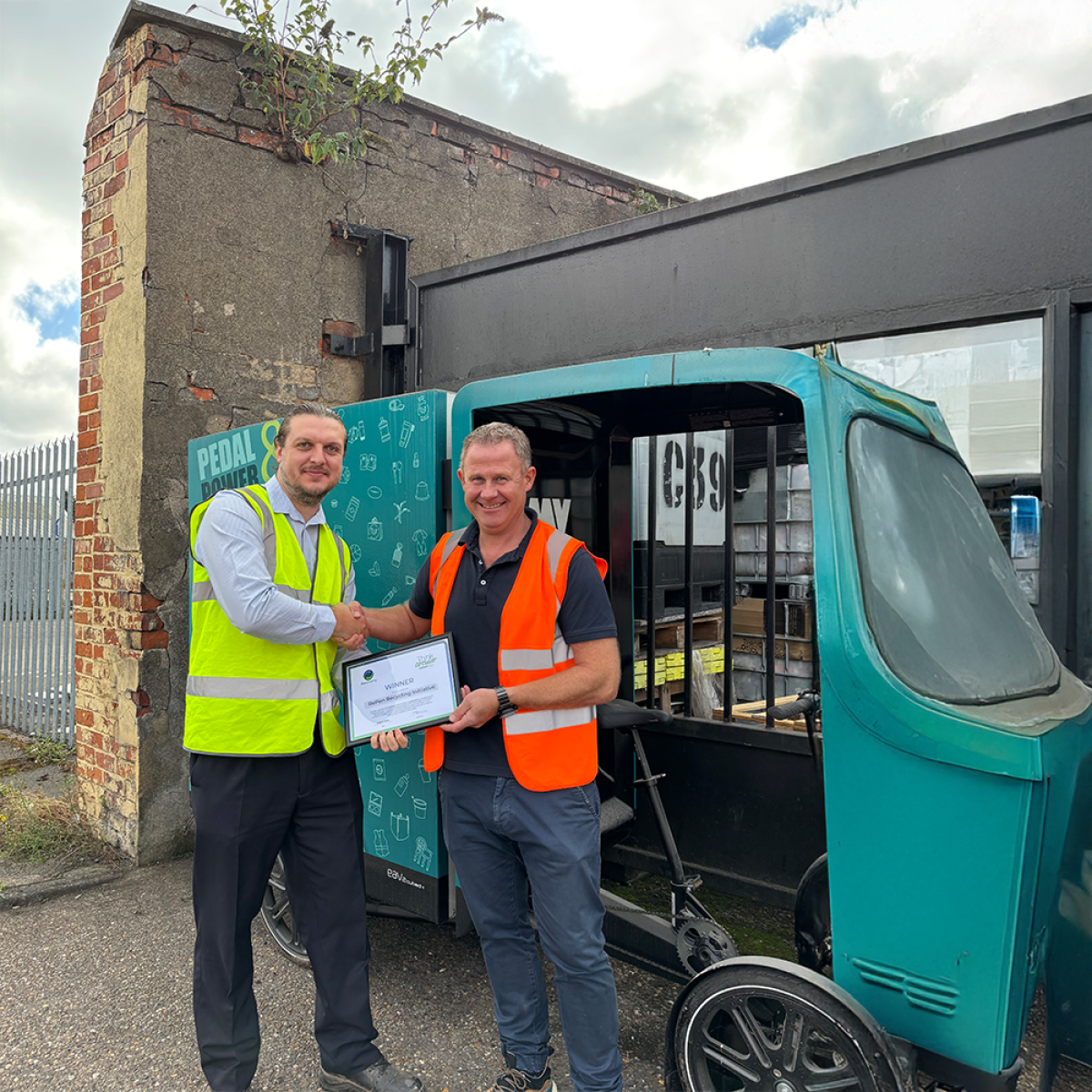
Reconomy’s monthly Think Circular Award showcases the achievements of organisations that are making proactive strides towards a more sustainable future.
Each month, Reconomy representatives nominate customers, suppliers or partners they have witnessed showing remarkable dedication and progress towards circularity.
Learning the Circular Economy
Reconomy enables the circular economy for businesses through three service loops: Recycle, Comply, and Re-use, helping organisations reduce waste, meet compliance targets, and extract full value from their resources.
Explore the services behind our sustainability
Whether you are looking to reduce waste, improve ESG reporting, prepare for changing regulation or understand your circularity gap, our services and insights can help you identify the right next step.
Sustainability consultant presenting strategic planning and environmental assessment information to a team.
Sustainability consulting
Access specialist support to shape your sustainability strategy, identify improvement opportunities and turn environmental goals into practical action.
View sustainability consulting
Digital sustainability reporting dashboards and carbon tracking analytics displayed above a laptop keyboard.
ESG reporting services
Improve the quality of your ESG and sustainability reporting with better data, clearer processes and support aligned to evolving reporting expectations.
Explore ESG reporting services
Four colleagues in a bright meeting room discussing ideas around a table, with one woman standing and leading the conversation while others listen and collaborate.
Environmental compliance services
We support organisations in moving from obligation to opportunity.
Explore our compliance servicesExplore our Media Library
Explore our Media Library, a collection of informative, fascinating, and fun video resources all about Reconomy, our colleagues, customers, the varied services we provide, and the impact we make.

Tracking circularity through Earth Overshoot Day
At Reconomy, we believe sustainability must be measurable. That’s why we track our impact using Earth Overshoot Day — the point each year when humanity’s demand for natural resources exceeds what the planet can regenerate.
In 2025, Earth Overshoot Day fell on 24 July. Through our activities with customers, we estimate that we pushed the date back by 12 minutes in 2024 and 15 minutes in 2025. With more closed-loop initiatives underway, we expect this positive contribution to grow. To understand how our business helps delay Earth Overshoot Day, CircuLab focused on building the foundations for long term impact – mapping material flows, identifying data gaps, and running life cycle assessments (LCAs) to understand where value and environmental impact sit across key waste streams. The team developed circularity metrics and dashboards, mass flow Sankey diagrams and a regulatory scanning capability aligned with emerging legislation.
The key factors assessed included:
- Avoided impact (Reconomy vs industry average)
- Total impact (Reconomy)
- Earth’s biocapacity
- Global ecological footprint
Related regulations and resources
The latest news, insights, and thought leadership from across Reconomy.
Learn more about circularity
Circularity insights
Read the latest circular economy insights, resources and thought leadership from Reconomy’s specialists across waste, compliance, reuse and sustainability.
View circularity insightsThe circularity gap
Understand why valuable resources are still being lost from the economy and how circular thinking can help businesses close the gap.
Explore the circularity gapEarth Day
World Earth Day 2026 offers a moment to pause, not to make claims, but to ground environmental action in fact, systems and insight.
Learn about Earth DaySpeak to our sustainability experts