

Delivering the business case for circular textiles
A strategic review of the textiles industry for brands and retailers
A strategic review of the textiles industry for brands and retailers
The textiles industry is at a tipping point.
Rising waste volumes, tightening regulation and increasing stakeholder pressure are forcing brands and retailers to rethink how products are designed, used and recovered. Yet despite growing ambition, most circular initiatives remain stuck at pilot stage.
This research explores what’s holding the industry back and what it will take to unlock scalable, commercially viable circular models.
Download the report to understand how to turn circularity into a competitive advantage.
Download our strategic review
What you’ll learn
Turning circularity into business value
This report goes beyond theory to focus on what actually works in practice.
You’ll learn how to:
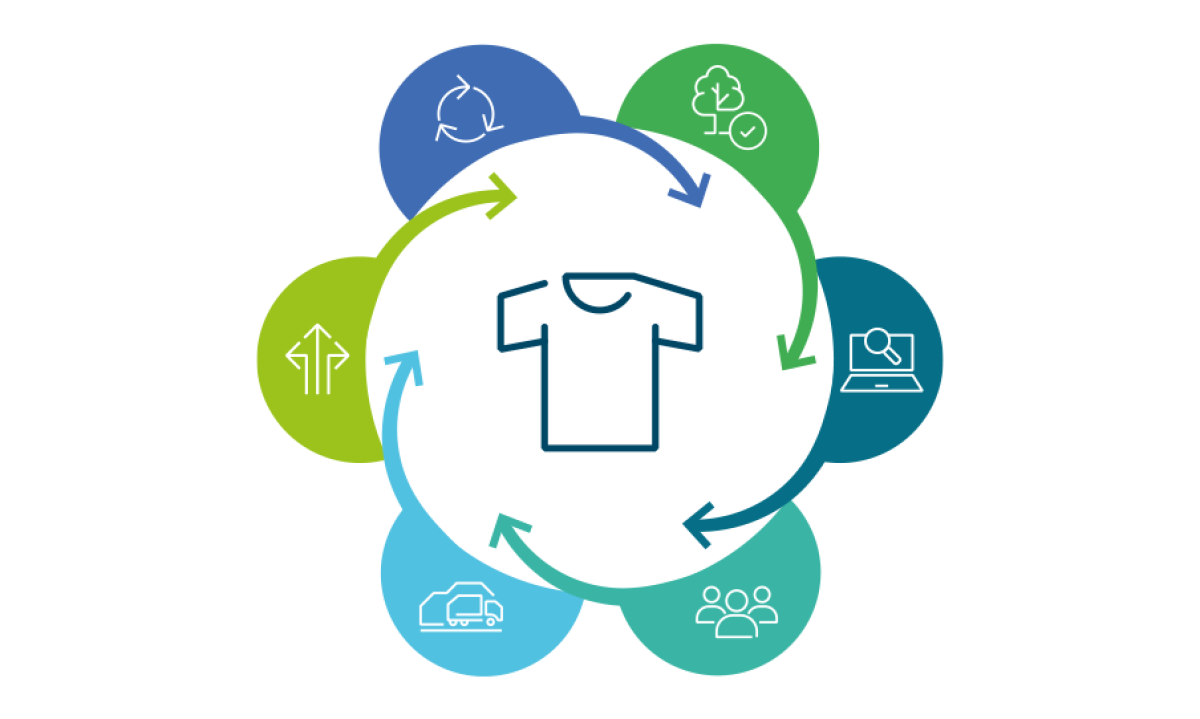
- Move beyond “pilot paralysis” a.nd scale circular initiatives
- Build effective take-back and recovery systems
- Use data and traceability to support circular models
- Navigate fragmented regulation across markets
- Develop infrastructure and partnerships that enable growth
- Engage consumers in reuse, repair and resale
The findings highlight that circularity is not just an environmental goal — it is a commercial strategy for resilience and long-term growth.
Explore our Media Library
Explore our Media Library, a collection of informative, fascinating, and fun video resources all about Reconomy, our colleagues, customers, the varied services we provide, and the impact we make.
Explore further insights
Explore textiles EPR and regulatory readiness
As textiles regulation accelerates, brands must prepare for new compliance requirements — particularly Extended Producer Responsibility.
Understanding how EPR will impact your business is essential to reducing risk and building future-ready systems.
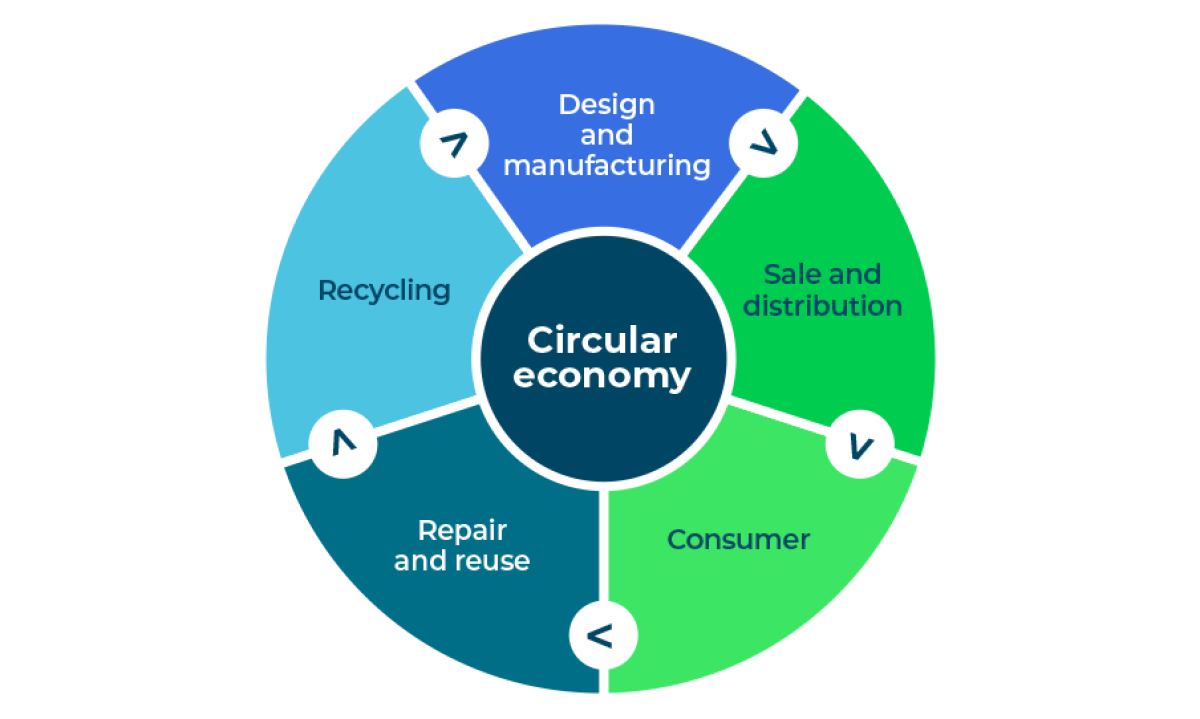
Understand the circular economy framework
Circular textiles sit within a broader systemic shift away from linear “take-make-dispose” models.
This research connects directly to the wider circular economy, where materials are kept in use and waste is designed out.
The Circularity Gap: the scale of the challenge
Globally, only a small percentage of materials are cycled back into the economy.
This report builds on that wider challenge, focusing specifically on textiles and how the industry can close the gap.