

Types of waste management: A blueprint to sustainable waste handling
Understanding the different types of waste management is essential for businesses looking to improve sustainability, reduce environmental impact, and comply with waste regulations.
Every day, businesses and households generate large volumes of waste, from packaging materials and electronics to food waste and industrial by-products. According to the World Bank, the world generates more than 2.24 billion tonnes of municipal solid waste annually, and this figure could increase to 3.4 billion tonnes by 2050.
Without effective waste management systems, these materials can end up in landfills or pollute natural environments, contributing to climate change and biodiversity loss.
Modern waste management strategies aim to reduce this impact by following the waste hierarchy, which prioritises waste prevention, reuse, recycling and recovery before disposal.
In this guide, we explore:
-
the main types of waste management systems
-
how different waste streams are handled
-
why waste management is critical for sustainability
-
practical examples of waste management in action
By understanding these waste management techniques, businesses can make more informed decisions about how to handle waste responsibly and move towards more circular and sustainable operations.
Table of contents
What are the different types of waste management?
Waste management refers to the systems and processes used to collect, transport, treat, recycle and dispose of waste materials.
There are several types of waste management systems, each designed to handle specific waste streams.
The most common categories include:
-
Solid waste management
-
Liquid waste management
-
Hazardous waste management
-
Electronic waste (WEEE) management
-
Organic waste management
-
Integrated waste management systems
Each approach plays an important role in ensuring waste is managed safely while minimising environmental impact.
Why waste management is important for sustainability
Effective waste management supports sustainability by reducing pollution, conserving natural resources and preventing unnecessary waste from being sent to landfill.
Environmental protection
Proper waste management reduces contamination of soil, water and air.
Climate impact reduction
Landfills generate methane, a greenhouse gas that is over 25 times more potent than carbon dioxide in trapping heat in the atmosphere.
Resource conservation
Recycling and reuse allow valuable materials to be recovered and used again, reducing the need for new raw materials.
Regulatory compliance
Governments worldwide are introducing stricter waste regulations to increase recycling rates and reduce landfill use.
For businesses, effective waste management systems help ensure compliance while supporting environmental and sustainability goals.
The waste hierarchy explained
Modern waste management systems follow the waste hierarchy, which prioritises the most environmentally sustainable options for handling waste.
The hierarchy ranks waste management strategies in the following order:
-
Reduce – prevent waste generation where possible
-
Reuse – extend the life of products and materials
-
Recycle – convert waste into new materials
-
Recover – generate energy from non-recyclable waste
-
Dispose – landfill as the last resort
This framework encourages businesses to minimise waste production while maximising resource recovery.
Solid waste management
Solid waste management deals with materials that are discarded in solid form. This includes waste generated by households, businesses and industrial operations.
Common examples of solid waste include:
-
plastics
-
paper and cardboard
-
metals
-
packaging materials
-
textiles
While reducing and reusing materials is always preferred, the most common solid waste management techniques include recycling and disposal.
Recycling
Recycling involves collecting and processing waste materials so they can be used again to manufacture new products.
This approach helps conserve natural resources, reduce energy use and prevent waste from going to landfill.
Commonly recycled materials include:
-
plastics
-
aluminium
-
glass
-
paper
-
steel
Example: Disposable vape recycling
An example of recycling innovation comes from Reconomy’s disposable vape recycling process, where plastics and metals are separated and processed for reuse while batteries are sent for specialist recycling.
Recovering these materials prevents harmful substances from entering landfill and allows valuable resources to be reused.
Disposal
Disposal is the final stage in the waste hierarchy and should only occur when waste cannot be prevented, reused, recycled or recovered.
Two primary disposal methods include landfill and incineration.
Landfills
Landfills are controlled areas where waste is buried and managed to minimise environmental damage.
Modern landfill facilities include:
-
protective liners
-
methane capture systems
-
groundwater monitoring
However, landfill remains the least preferred waste management option, as valuable resources are lost when materials are buried.
Incineration
Incineration involves burning waste at high temperatures to reduce its volume.
Some incineration facilities generate energy through waste-to-energy systems, producing electricity or heat.
In the disposable vape recycling example, certain components such as wicks and filters cannot be recycled and must be safely incinerated under environmental regulations.
Liquid waste management
Liquid waste management focuses on handling waste in liquid form.
Examples include:
-
domestic sewage
-
industrial wastewater
-
stormwater runoff
-
chemical effluents
Improper management of liquid waste can contaminate natural water sources and harm ecosystems.
Wastewater treatment
Wastewater treatment facilities use physical, chemical and biological processes to remove contaminants from water.
After treatment, water can be:
-
safely released into rivers
-
reused in industrial processes
-
used for agricultural purposes
Example: Thames Water treatment system
Companies such as Thames Water operate large-scale wastewater treatment facilities that clean sewage before releasing treated water back into natural environments.
Some facilities also convert waste sludge into biogas for renewable energy generation.
Industrial effluent treatment
Industrial facilities often produce wastewater containing chemicals or heavy metals.
Effluent treatment plants remove these contaminants before water is discharged or reused.
This helps prevent pollution and ensures compliance with environmental regulations.
Hazardous waste management
Hazardous waste contains substances that can pose serious risks to human health or the environment.
Examples include:
- asbestos
- batteries
- chemicals
- paints
- solvents
Businesses generating hazardous waste are legally required to handle and dispose of these materials safely.
Hazardous waste treatment methods
Common hazardous waste management techniques include:
Incineration
High-temperature incineration can destroy hazardous chemicals.
Chemical treatment
Neutralising agents are used to render hazardous materials safe.
Secure landfills
Specially engineered landfill sites are used for hazardous waste that cannot be treated or recycled.
These facilities include advanced containment systems to prevent contamination.
WEEE waste management
Electronic waste, often referred to as WEEE (Waste Electrical and Electronic Equipment) — is one of the fastest-growing waste streams globally.
Examples include:
-
computers
-
smartphones
-
household appliances
-
televisions
-
batteries
Many electronic products contain valuable metals such as gold, copper and rare earth elements.
However, they also contain hazardous substances that require careful handling.
Reuse and repair
Extending the life of electronic products is one of the most sustainable approaches to WEEE waste management.
Devices can be refurbished, repaired or donated for reuse.
Recycling and take-back schemes
Recycling programmes recover valuable materials from electronic devices.
Many manufacturers now operate take-back schemes, allowing consumers to return old electronics for recycling.
Responsible disposal
Electronic waste that cannot be reused or recycled must be disposed of safely to prevent environmental contamination.
Organic waste management
Organic waste management focuses on biodegradable materials such as food waste, agricultural waste and garden waste.
If organic waste is sent to landfill, it decomposes anaerobically and produces methane.
Methane is a powerful greenhouse gas, making proper organic waste management critical for climate mitigation.
Composting
Composting is a natural process that converts organic waste into nutrient-rich soil.
Businesses in the hospitality and food industries often use composting to reduce waste while supporting soil health.
Anaerobic digestion
Anaerobic digestion breaks down organic materials in the absence of oxygen to produce biogas.
Biogas can be used to generate electricity or heat.
The remaining digestate can be used as fertiliser.
Mulching
Mulching involves using organic materials such as plant waste to improve soil moisture retention and fertility.
Integrated waste management systems
Integrated waste management combines multiple waste management techniques to reduce environmental impact.
Rather than relying on a single method, integrated systems prioritise:
-
waste reduction
-
recycling and recovery
-
responsible disposal
The goal is to create a comprehensive waste management strategy that minimises landfill use and maximises resource efficiency.
Many organisations now adopt integrated waste systems as part of broader circular economy strategies.
Key challenges in modern waste management
Despite improvements in recycling and waste processing technologies, several challenges remain.
Rising global waste volumes
Growing consumption continues to increase global waste generation.
Recycling infrastructure gaps
Many regions lack the infrastructure needed to process recyclable materials effectively.
Complex product design
Products made from mixed materials are harder to recycle.
Behavioural barriers
Poor waste segregation can reduce recycling efficiency.
Addressing these challenges requires collaboration between governments, businesses and consumers.
The future of waste management
Waste management is evolving rapidly as sustainability and circular economy principles become more widely adopted.
Key trends shaping the future include:
-
advanced recycling technologies
-
AI-powered waste sorting systems
-
smart waste collection infrastructure
-
expansion of circular economy business models
-
stronger environmental regulations
As businesses increasingly prioritise sustainability, waste management will play an increasingly central role in responsible operations.
Key takeaways
-
Understanding the different types of waste management is essential for improving sustainability.
-
The waste hierarchy prioritises waste prevention, reuse and recycling before disposal.
-
Solid, liquid, hazardous, electronic and organic waste all require specialised management approaches.
-
Technology and innovation are improving waste management efficiency.
-
Businesses adopting integrated waste management systems can significantly reduce environmental impact.
Waste management types FAQs
Businesses typically manage waste using several systems depending on the material being generated. The most common types include solid waste management, liquid waste management, hazardous waste management, WEEE waste management, and organic waste management. Many organisations use integrated waste management strategies that combine multiple methods.
Waste disposal refers specifically to the final stage of handling waste, such as landfill or incineration. Waste management is a broader process that includes waste reduction, reuse, recycling, treatment and disposal.
The most sustainable waste management approach follows the waste hierarchy, which prioritises reducing waste generation, reusing materials, recycling resources and recovering energy before considering disposal.
Businesses can reduce waste by improving material efficiency, redesigning products and packaging, implementing recycling programmes, adopting circular economy practices and using data-driven waste tracking systems.
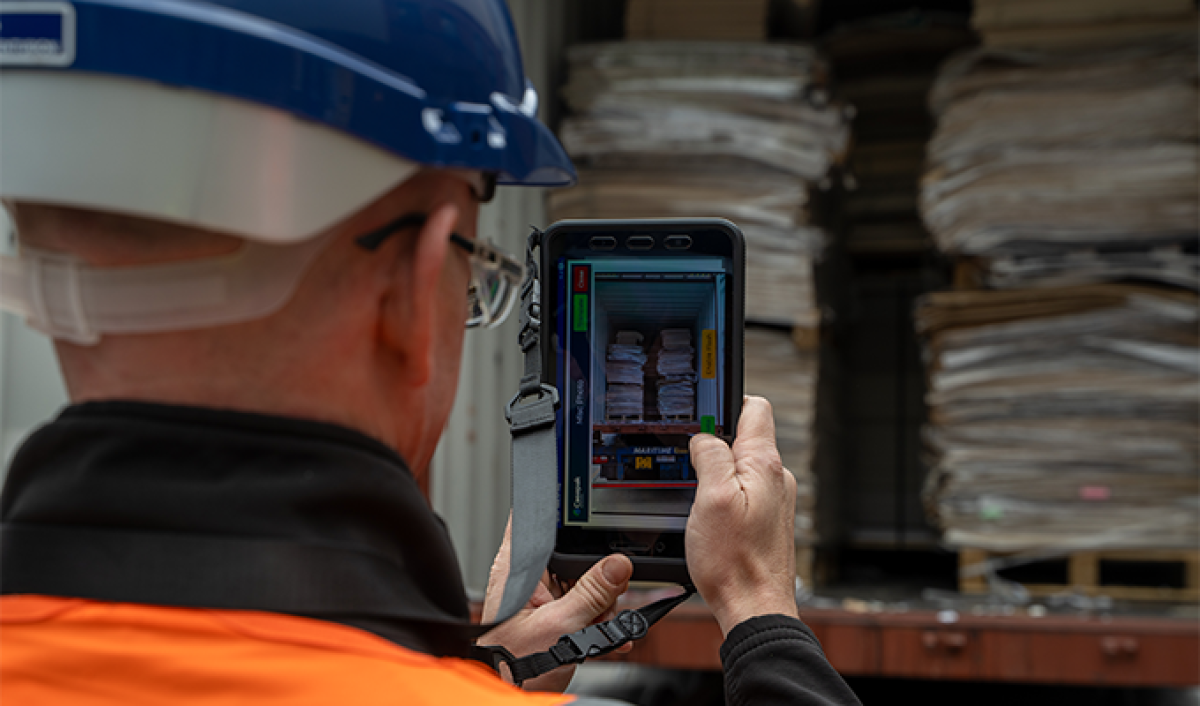
Improve your waste management strategy with Reconomy
Understanding the different types of waste management is the first step towards reducing waste and improving sustainability performance. However, implementing the right system requires the right infrastructure, expertise and data.
At Reconomy, we help businesses across the UK design and implement smarter waste management strategies that reduce landfill, improve recycling rates and support circular economy goals.
Our services support organisations with:
-
waste collection and processing
-
recycling and resource recovery
-
hazardous and specialist waste management
-
WEEE and electronic waste solutions
-
data-driven waste tracking and reporting
Whether your organisation is looking to optimise waste operations or move towards a more circular business model, our experts can help.
See our waste management services