

The Waste Hierarchy vs The Four Types of Waste Management
The waste hierarchy is a framework that ranks waste management options according to their environmental impact, prioritising prevention and reuse over disposal. The four traditional types of waste management describe the practical methods used to manage waste, including source reduction, recycling, waste-to-energy and landfill management.
While both approaches aim to reduce environmental harm and conserve resources, they differ in structure and emphasis. The waste hierarchy focuses on prevention first. The traditional four focus on operational treatment methods.
Understanding how they work together is essential for any organisation looking to improve sustainability performance and move towards a circular economy.
Table of contents
- What is the waste hierarchy?
- The importance of the Waste Hierarchy in waste management
- The 5 stages of the Waste Hierarchy
- The four traditional types of waste management
- How do the waste hierarchy and the four types compare?
- How do these frameworks support the circular economy?
- Final summary and next steps
- Frequently asked questions
What is the waste hierarchy?
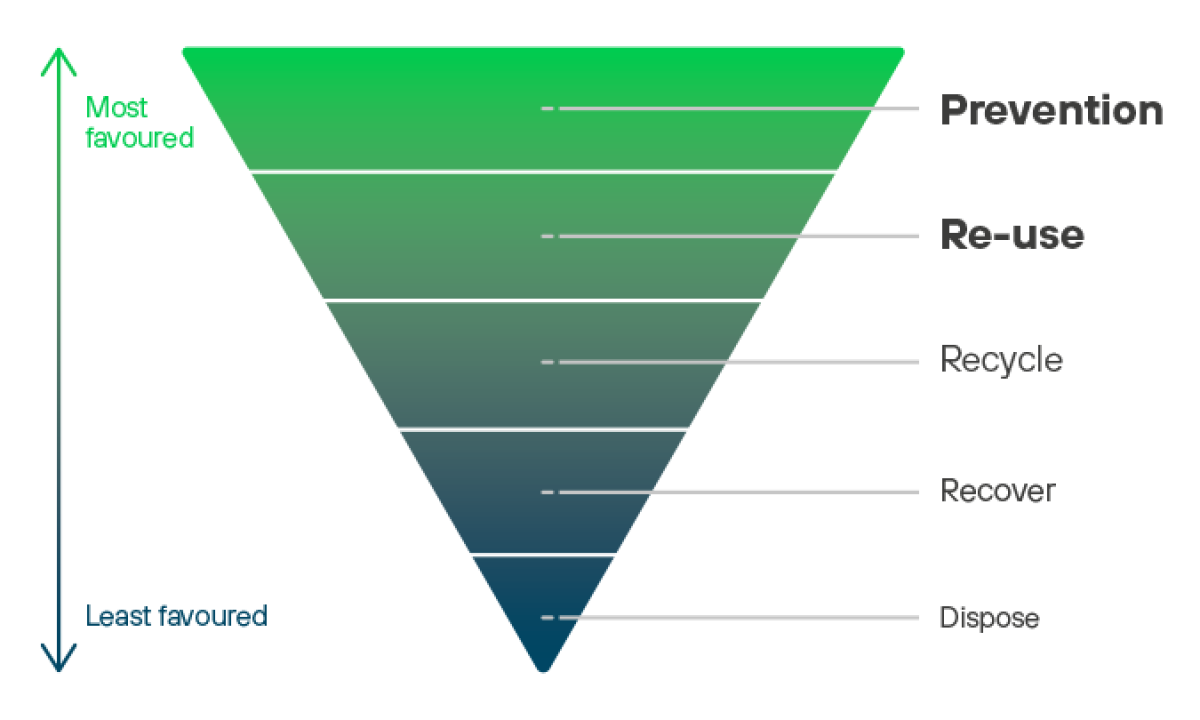
The waste hierarchy is a widely recognised environmental framework that ranks waste management options according to their environmental preference.
It is embedded in UK and European waste policy and guides businesses towards more sustainable decision-making.
The hierarchy consists of five stages, ordered from most to least environmentally favourable:
- Prevention
- Reuse
- Recycling
- Recovery
- Disposal
The higher an action sits in the hierarchy, the greater its environmental benefit.
The importance of the Waste Hierarchy in waste management
The waste hierarchy shifts the conversation from “how do we dispose of waste?” to “how do we avoid creating it in the first place?”
This change in mindset is fundamental to sustainability.
Traditional linear models follow a take, make, dispose structure. The waste hierarchy challenges this by prioritising:
- Resource efficiency
- Waste minimisation
- Carbon reduction
- Material longevity
For organisations, applying the waste hierarchy improves:
- Environmental performance
- Compliance with UK waste regulations
- ESG reporting outcomes
- Operational efficiency
At Reconomy, we embed the hierarchy into strategic waste management solutions that help businesses reduce waste at source rather than simply manage its end point.
The five stages of the waste hierarchy
1. Prevention
Prevention sits at the top of the hierarchy because it eliminates waste before it is created.
This includes:
- Designing products with fewer materials
- Reducing packaging
- Improving procurement practices
- Extending product life cycles
- Changing consumption behaviours
Preventing waste conserves natural resources and avoids emissions associated with extraction, manufacturing and disposal.
Prevention delivers the highest environmental and commercial value.
2. Reuse
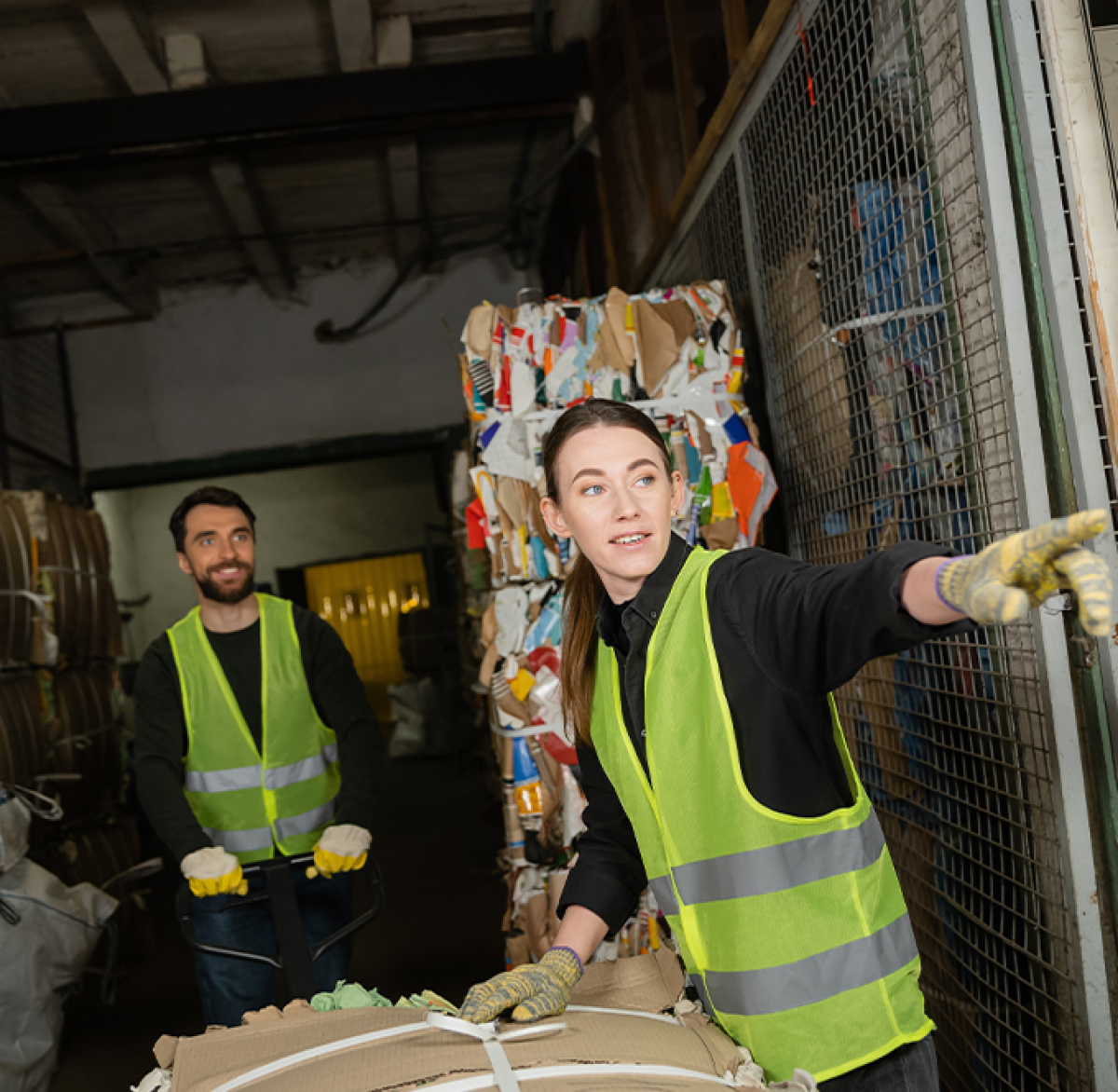
Reuse extends the life of products and materials before they become waste.
This can include:
- Repairing equipment
- Refurbishing furniture
- Redistributing surplus stock
- Reusing pallets and containers
Reuse reduces the need for new production and preserves embedded carbon.
It is a key pillar of the circular economy.
3. Recycling
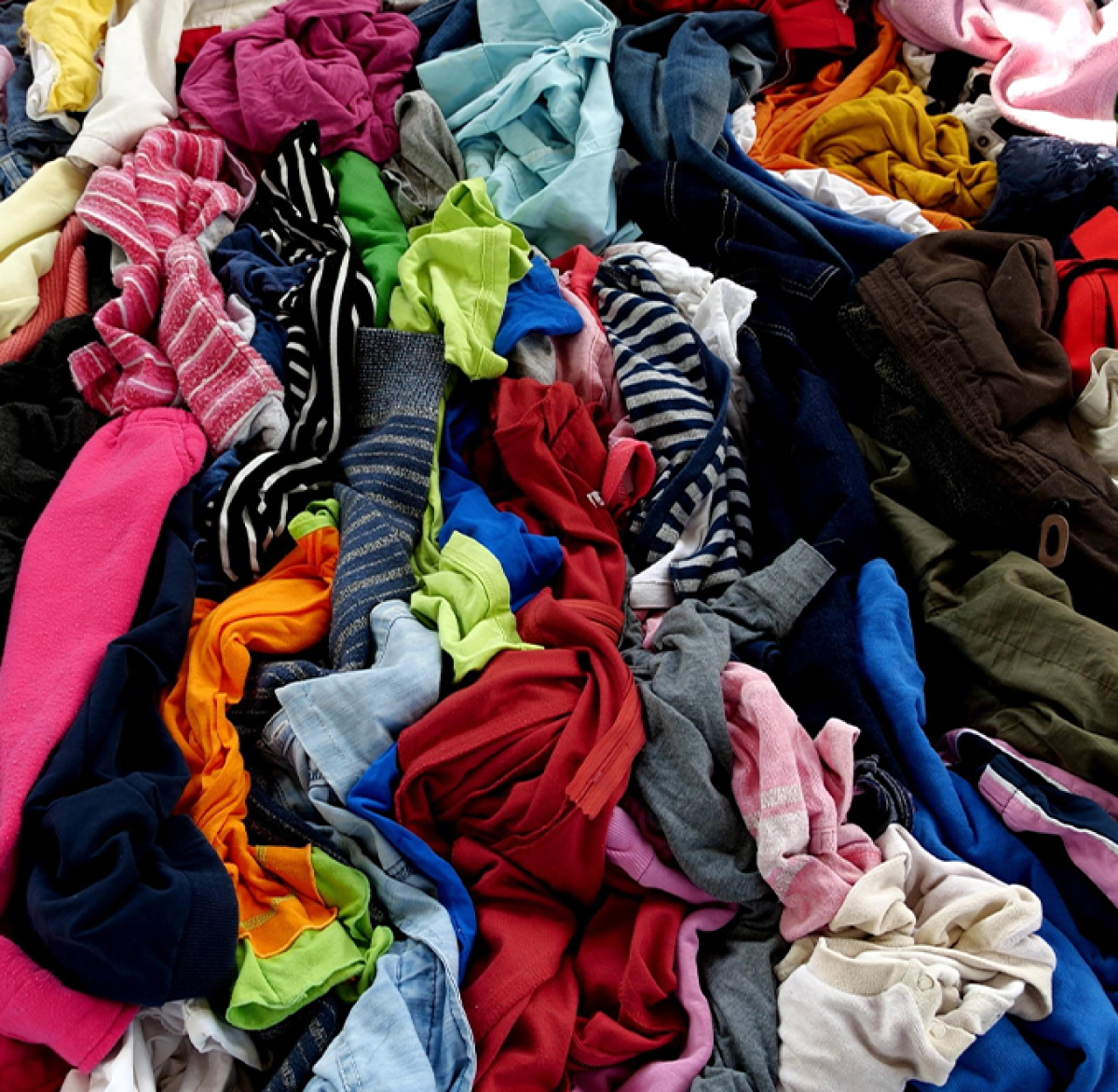
Recycling involves collecting, sorting and processing materials to manufacture new products.
It:
- Diverts waste from landfill
- Reduces virgin resource extraction
- Lowers greenhouse gas emissions
While recycling is beneficial, it sits below prevention and reuse because energy and processing are still required.
Effective recycling depends on strong waste segregation systems and clear material flows.
4. Recovery
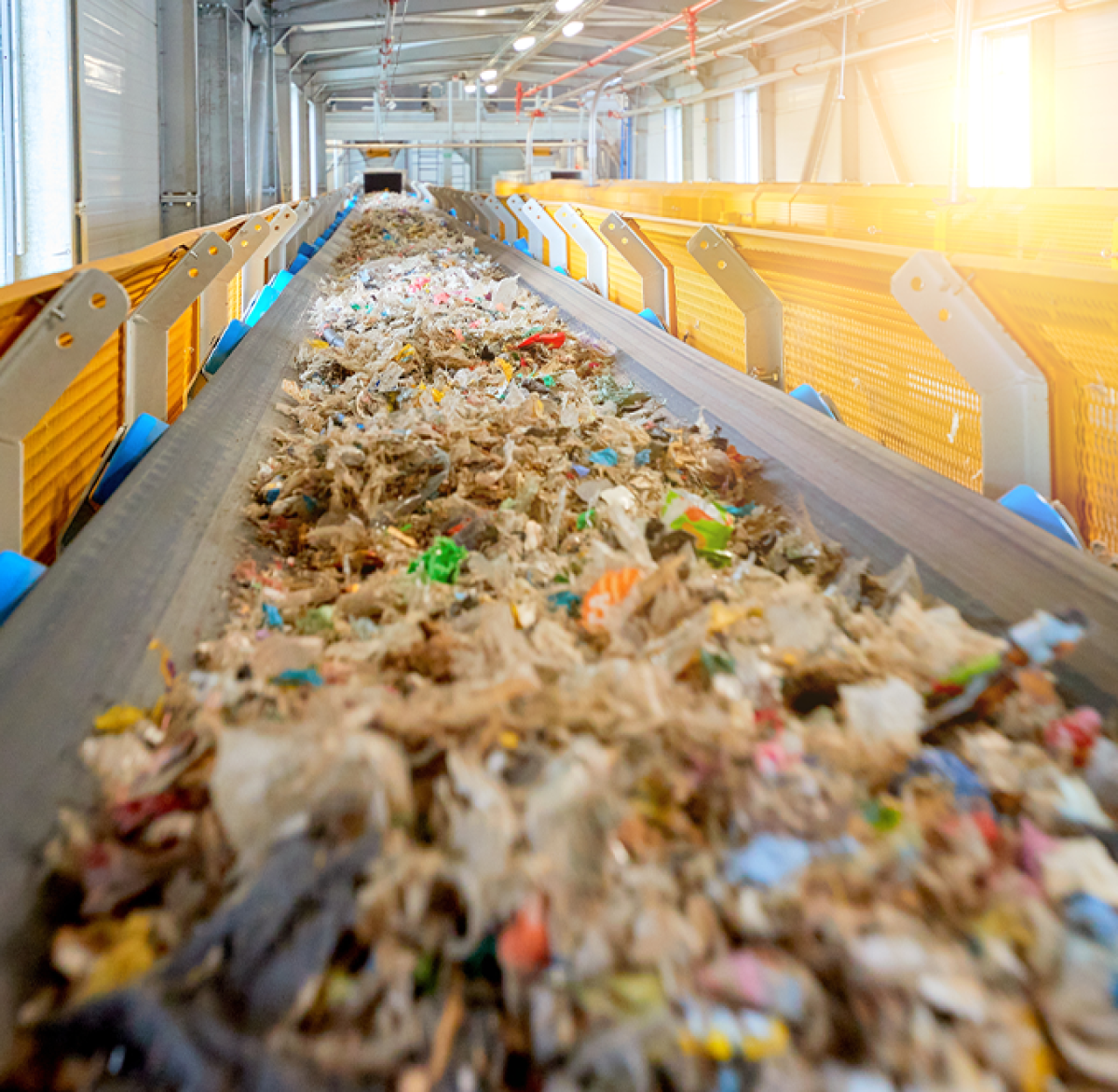
Recovery refers primarily to energy recovery from waste.
This includes:
- Waste-to-energy incineration
- Anaerobic digestion
- Thermal treatment
Recovery reduces landfill volume and can generate electricity or heat. However, it still represents a loss of material value compared to reuse or recycling.
Recovery should only be pursued once higher hierarchy options have been maximised.
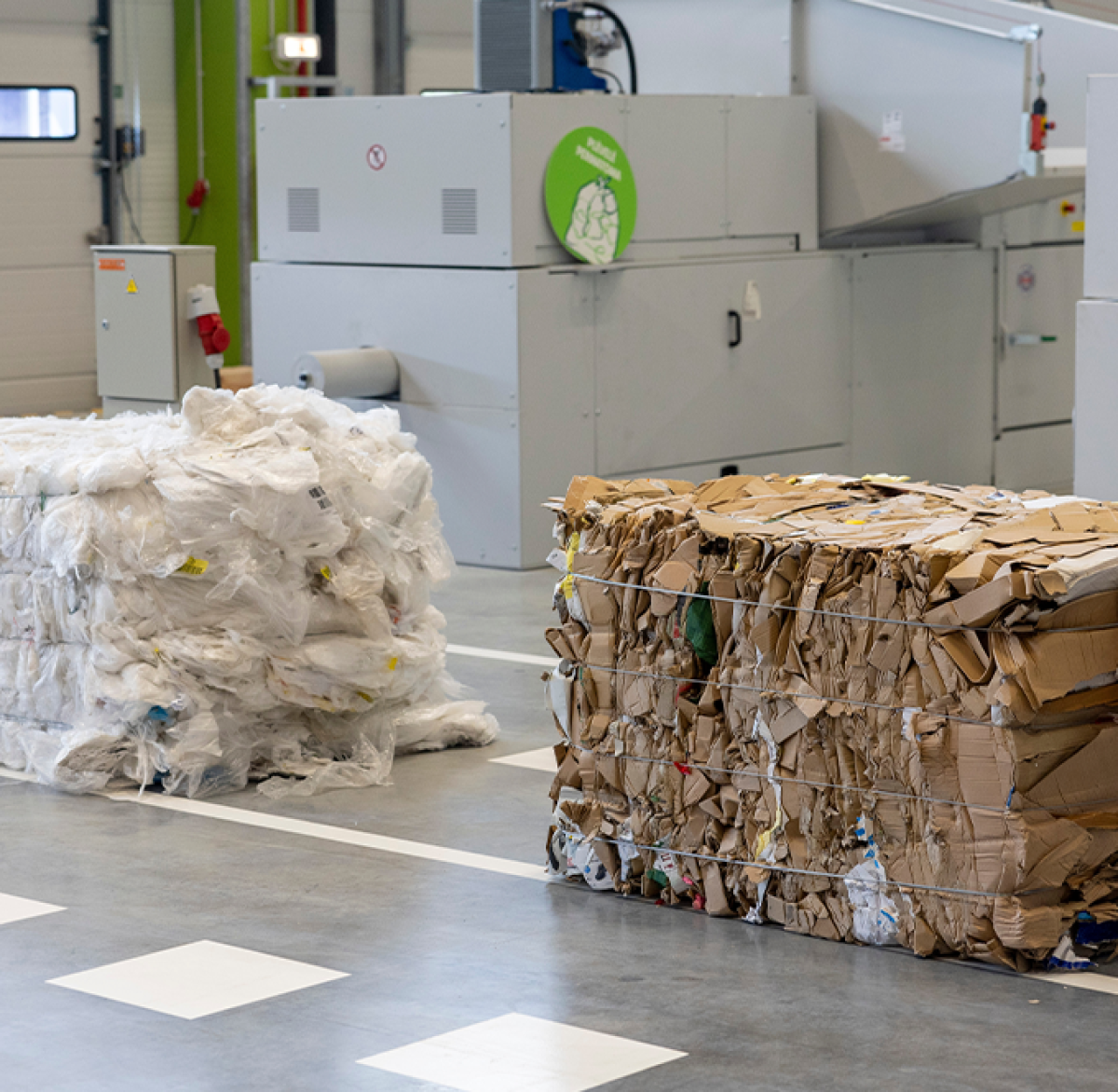
5. Disposal
Disposal is the least preferred option.
It includes:
- Landfilling
- Incineration without energy recovery
Landfill can lead to:
- Methane emissions
- Long-term land use impacts
- Resource loss
While still necessary for certain waste streams, disposal represents a failure to recover value.
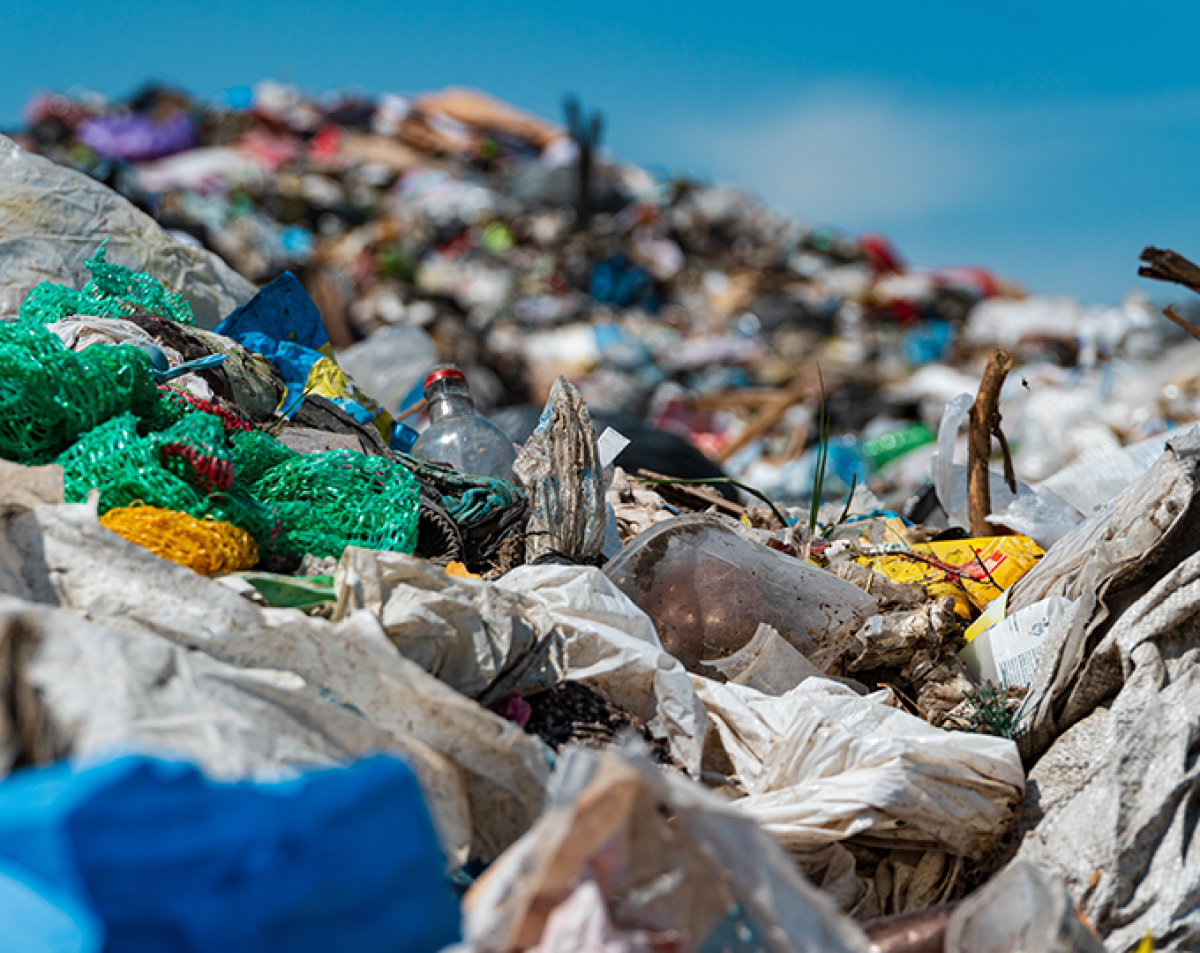
The four traditional types of waste management
The four traditional types describe operational waste treatment methods rather than a ranked strategy. Explore the different types below:
Source reduction
Also known as waste prevention, source reduction aims to minimise waste generation at origin.
It aligns directly with the top tier of the waste hierarchy.
Strategies include:
- Lean manufacturing
- Packaging redesign
- Efficient material usage
- Digitalisation to reduce paper waste
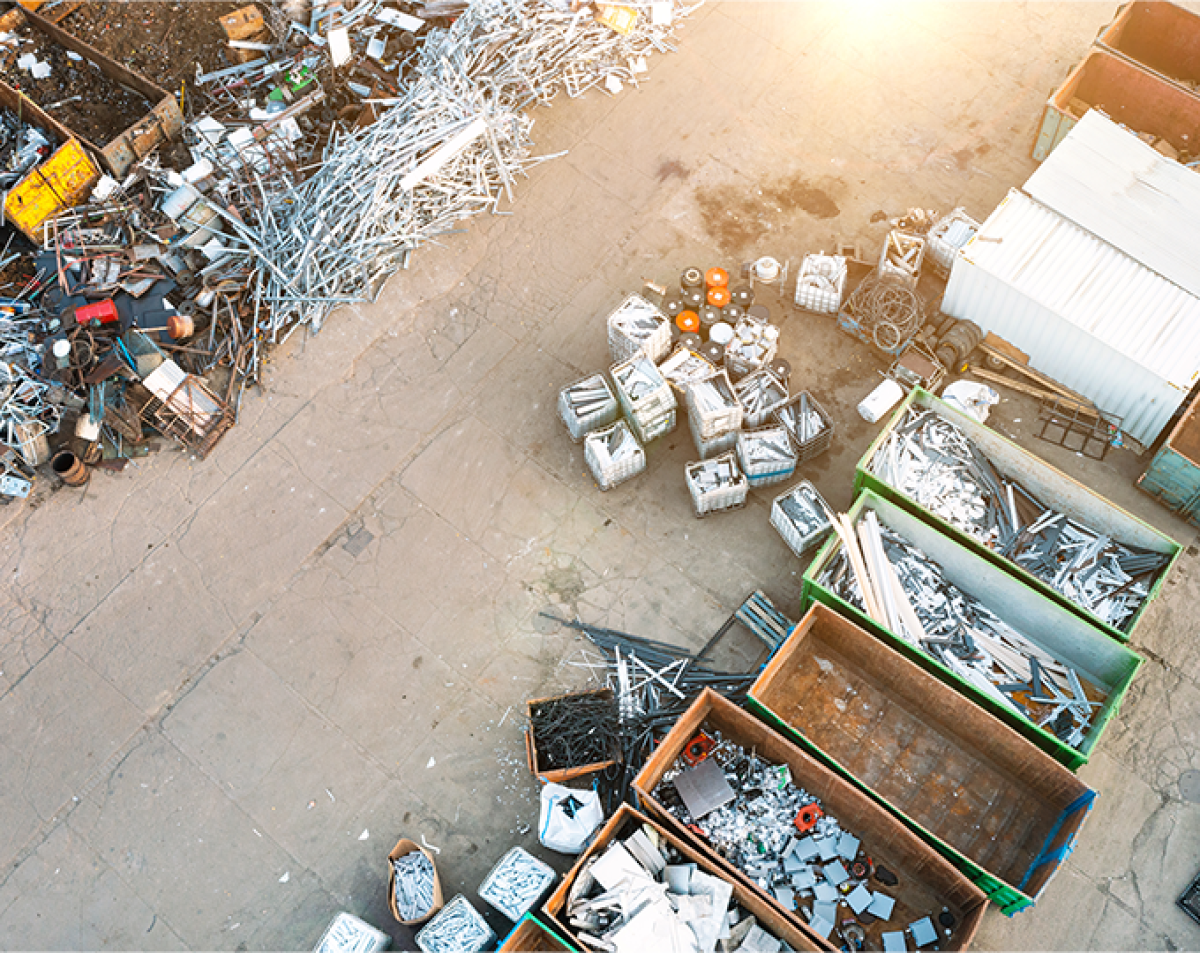
Recycling and reuse
This category combines two hierarchy stages into one operational grouping.
It focuses on:
- Material collection
- Processing
- Re-manufacturing
- Extending product life
Recycling and reuse reduce landfill reliance and conserve natural resources.
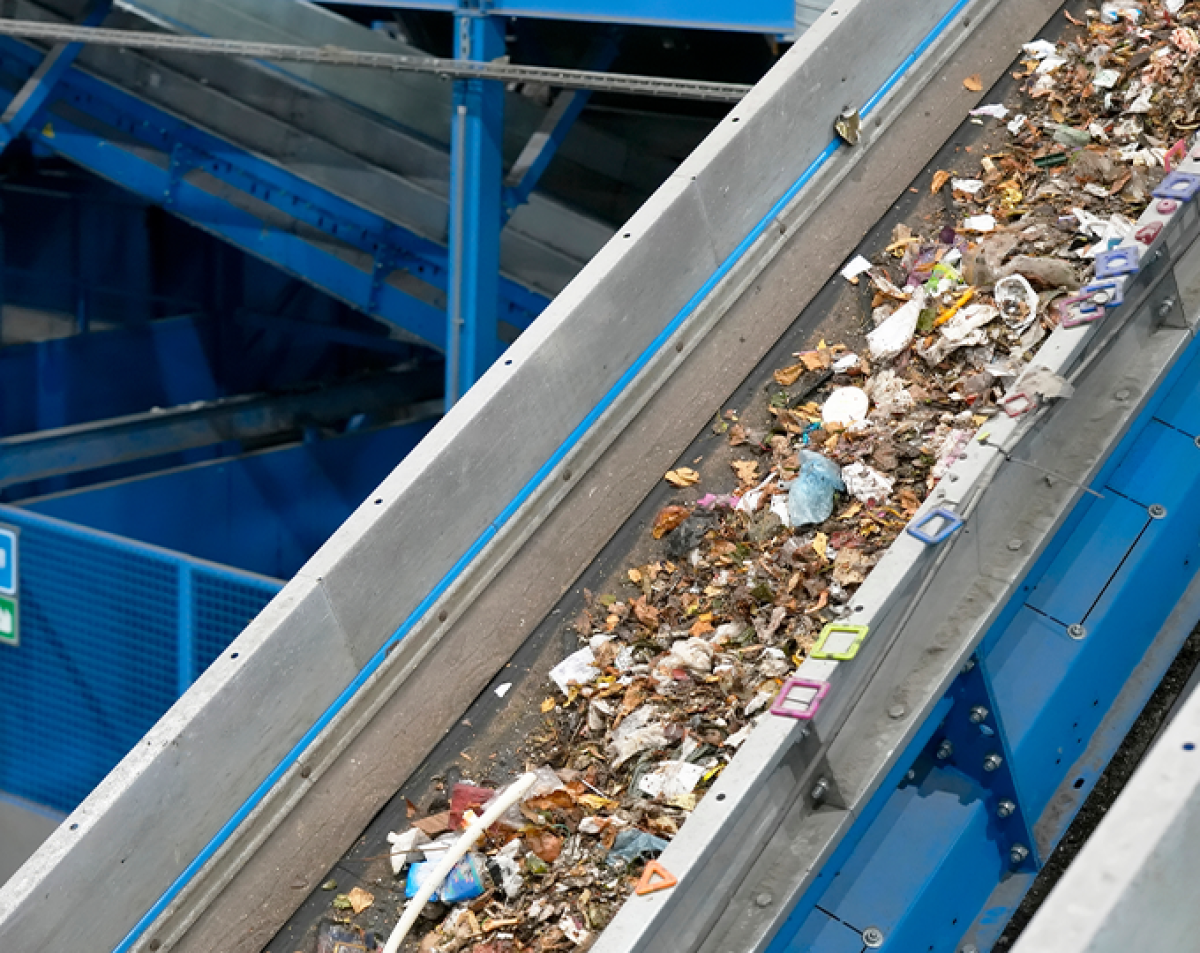
Waste-to-energy conversion
Waste-to-energy involves converting residual waste into usable energy.
Common technologies include:
- Incineration with energy recovery
- Anaerobic digestion
- Gasification
While beneficial compared to landfill, waste-to-energy does not retain material value.
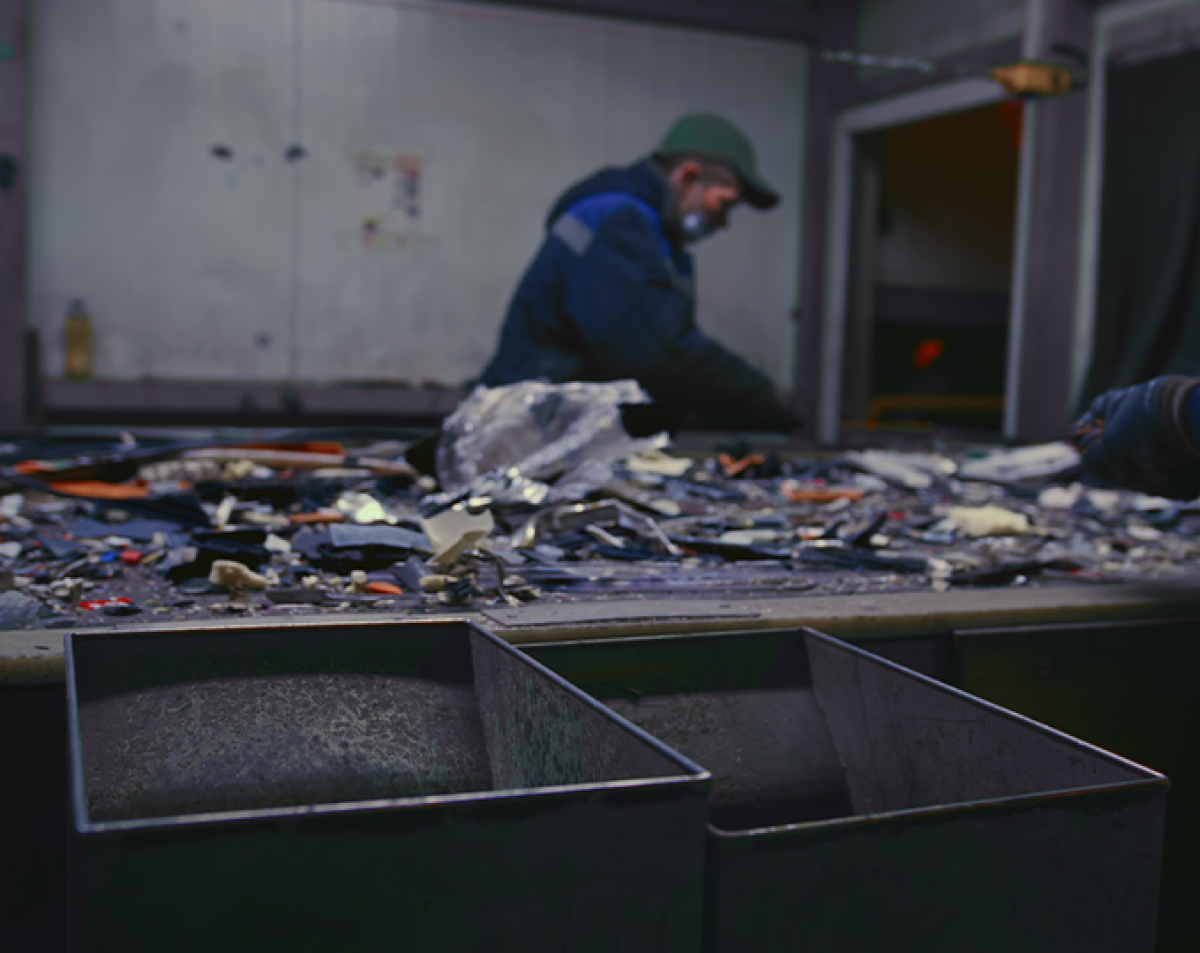
Landfill management and remediation
Landfill remains a necessary solution for certain residual waste streams.
Modern landfill management includes:
- Engineered liners
- Leachate control systems
- Methane capture
- Environmental monitoring
Remediation focuses on restoring closed landfill sites to minimise environmental impact.
How do the waste hierarchy and the four types compare?
The key difference lies in philosophy versus operation.
The waste hierarchy:
- Is a strategic ranking framework
- Prioritises prevention first
- Encourages long-term sustainability
- Focuses on environmental impact
The four traditional types:
- Describe operational waste handling methods
- Focus on treatment processes
- Do not inherently prioritise prevention
In practice, the four types sit within the waste hierarchy.
For example:
- Source reduction equals prevention
- Recycling and reuse align with the middle hierarchy tiers
- Waste-to-energy corresponds to recovery
- Landfill management aligns with disposal
The hierarchy tells you what should come first.
The four types describe how waste is treated.
For organisations aiming to improve sustainability performance, using both frameworks together creates stronger outcomes.
How do these frameworks support the circular economy?
The circular economy aims to eliminate waste and keep materials in use for as long as possible.
The waste hierarchy directly supports this by prioritising:
- Prevention
- Reuse
- Recycling
The closer waste management aligns with the top of the hierarchy, the closer an organisation moves toward circularity.
At Reconomy, we help businesses transition from linear waste models to circular resource strategies through integrated waste management services.
Closing the circularity gap requires:
- Better data
- Improved material recovery
- Smarter procurement
- Strategic waste planning
By embedding the waste hierarchy into operational waste management, organisations reduce carbon, lower costs and strengthen resilience.
Final summary and next steps
The waste hierarchy and the four types of waste management are complementary frameworks.
The waste hierarchy provides strategic direction, prioritising prevention and reuse.
The four traditional types describe operational methods, including recycling, recovery and landfill management.
Together, they guide effective, sustainable waste management.
For businesses, the priority is clear:
- Prevent waste where possible
- Reuse materials wherever feasible
- Recycle effectively
- Recover energy responsibly
- Dispose only as a last resort
By aligning operations with the top tiers of the hierarchy, organisations reduce environmental impact, improve ESG performance and move closer to a circular economy.
Frequently asked questions
The waste hierarchy prioritises waste management actions based on environmental impact, encouraging prevention and reuse over disposal.
Prevention, reuse, recycling, recovery and disposal.
Source reduction, recycling and reuse, waste-to-energy conversion and landfill management.
Yes. Recycling retains material value, while waste-to-energy destroys material to generate energy.
Because preventing waste avoids resource extraction, manufacturing emissions and disposal impacts entirely.